


Amoebae: The Microscopic Health Threat Lurking In Our Water Supplies. Are We Taking Them Seriously?
These Microscopic Parasites Lurk In Water And Cause Deadly Disease – Should We Be Doing More To Stop Them?
There’s a sinister health threat we’re not taking seriously enough, a new paper argues – and it’s not a virus, bacterium, nor even a fungus. It’s the amoebae, free-living organisms that can survive extreme conditions and cause devastating human illness, but which – according to the scientists behind the new research – are “often overlooked in conventional biosecurity research.”
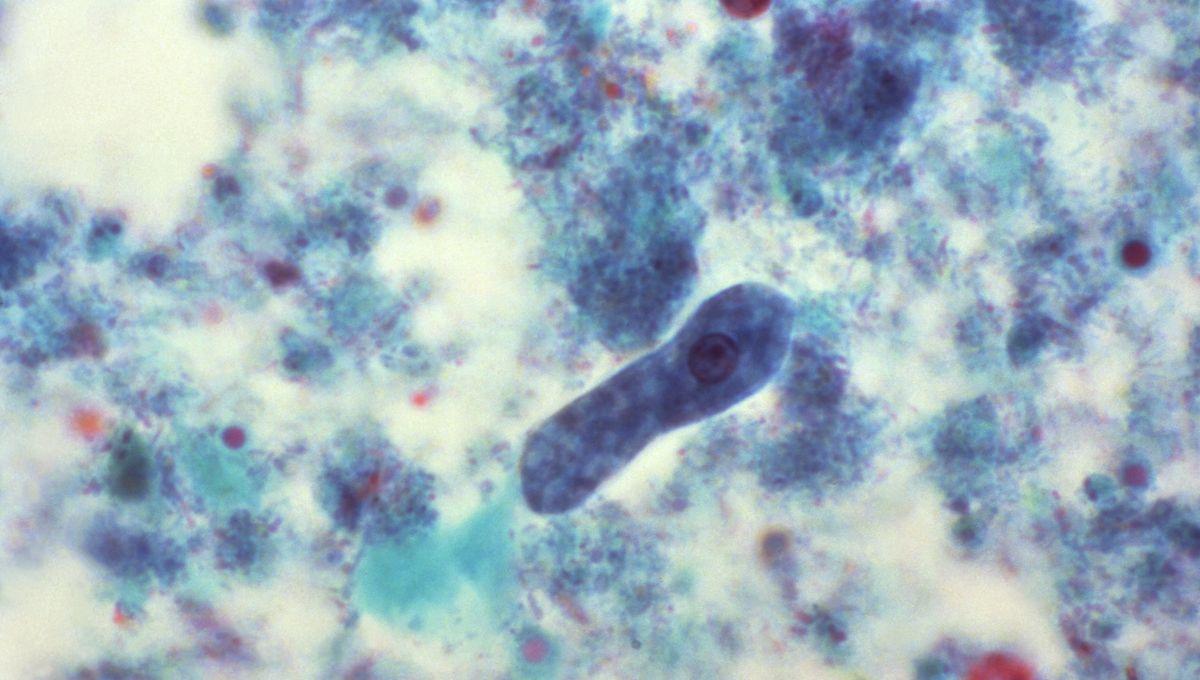
The rest of this article is behind a paywall. Please sign in or subscribe to access the full content. Amoebae are single-celled organisms widely found in soil and water. There are at least 17,000 species and many are not harmful to us. In fact, they often make vital contributions to their ecosystems, for example, as decomposers, a food source, or in symbiosis with other organisms. But the ones that are pathogenic to humans cause infections that strike fear into the hearts of many. Heard of the brain-eating amoeba? “What makes these organisms particularly dangerous is their ability to survive conditions that kill many other microbes,” said Longfei Shu, corresponding author of the new paper, in a statement. “They can tolerate high temperatures, strong disinfectants like chlorine, and even live inside water distribution systems that people assume are safe.” The aforementioned brain-eating amoeba, or Naegleria fowleri to give it its official name, is a perfect example. The organism can thrive in warm freshwater sources like rivers and lakes, as well as in tap water. Drinking the water won’t make you sick; instead, N. fowleri causes issues when it gets into the brain via the nose. This leads to an infection called primary amoebic meningoencephalitis (PAM) with a mortality rate of up to 98 percent. Entamoeba histolytica is another example of a pathogenic amoeba. It’s the causative agent of amoebic dysentery or amoebiasis, which is characterized by intestinal inflammation and diarrhea. Most people infected with E. histolytica will get no symptoms, and in those who do, the disease is usually mild. But more severe cases can be deadly, and the disease is still ranked third among the parasitic diseases that cause the most deaths worldwide. But there’s another aspect to amoebae that should raise alarm bells, according to Shu and coauthors. As well as directly causing disease, they can act as a “Trojan horse” by shielding viruses and bacteria within their single-celled bodies and spreading them around. This was illustrated in another recent study that found human norovirus and human adenovirus surviving quite happily inside three different amoebae. “This potentially provides both enteric viruses with a protective vessel to bypass widely used water disinfection treatments such as UV, chlorine, and monochloramine – methods that have already been suspected to be insufficient for removing high virus loads,” explained study author Dr Mats Leifels in a September 2025 statement. Given this emerging evidence, and the well-known amoebic diseases of humans, Shu and co-authors say better surveillance, improved diagnostic tools, and new water treatment strategies are needed to address the health threat amoebae pose. This, they say, is all the more urgent in the context of climate change, as warming waters create even more places where amoebae can hide. Some scientists argue that amoebae are a growing and underestimated public health threat. Image credit: Jianyi Zheng, Ruiwen Hu, Yijing Shi, Zhenzhen He & Longfei Shu “Amoebae are not just a medical issue or an environmental issue,” said Shu. “They sit at the intersection of both, and addressing them requires integrated solutions that protect public health at its source.” Nicknames like “brain-eating amoeba” sound terrifying – but just as fungal infections are unlikely to actually cause a real-world zombie apocalypse à la The Last of Us, so we don’t need to panic about N. fowleri and its ilk taking over the world. Deadly diseases like PAM are thankfully rare. But that doesn’t mean we should ignore the risks altogether. Amoebic diseases are often preventable and, as these scientists argue, there is a lot more we could be doing to decrease the burden even further. The study is published in the journal Biocontaminant.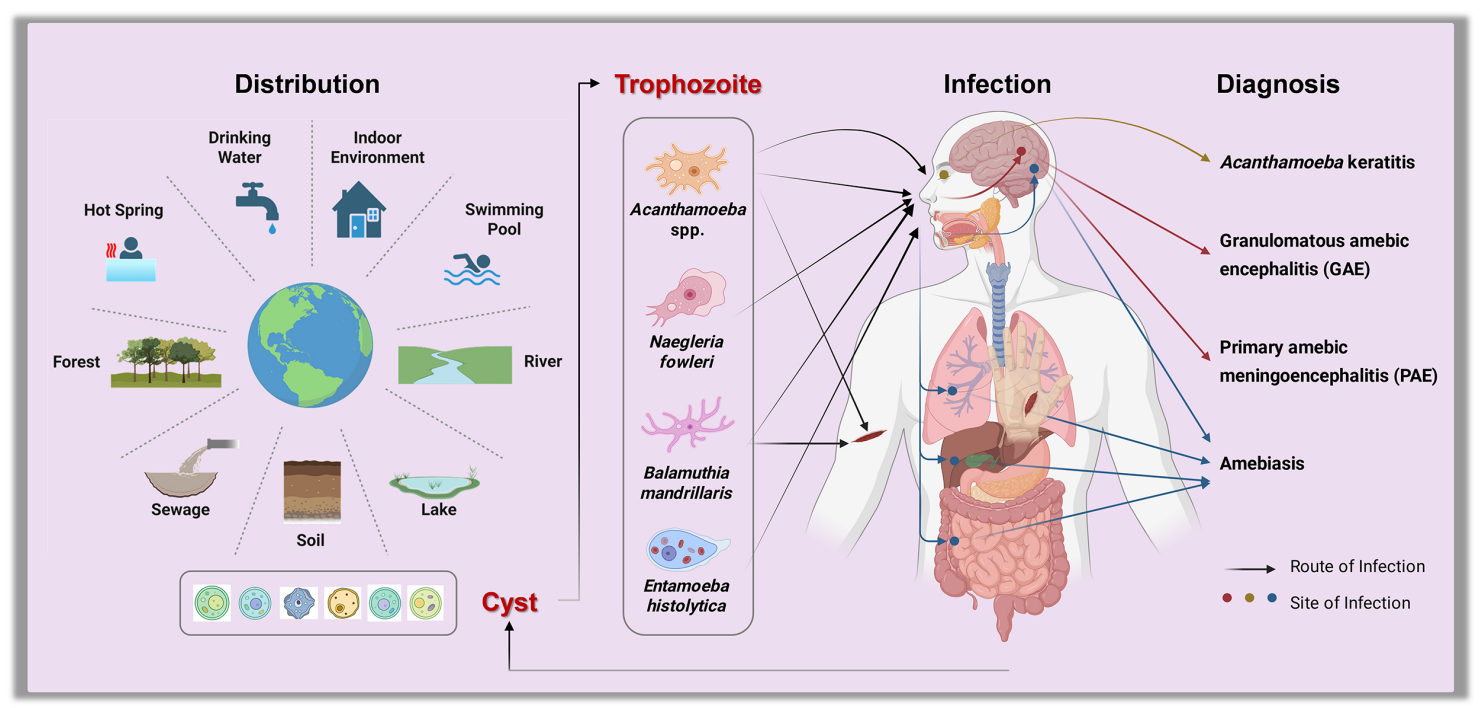

 English
 Arabic
 French
 Spanish
 Portuguese
 Deutsch
 Turkish
 Dutch
Dutch
 Italiano
 Russian
 Portuguese (Brazil)
 Greek
Greek