


After Rust's "massive" Naval update, its to-do list includes an expanded ecosystem, breeding, and maybe a battle pass
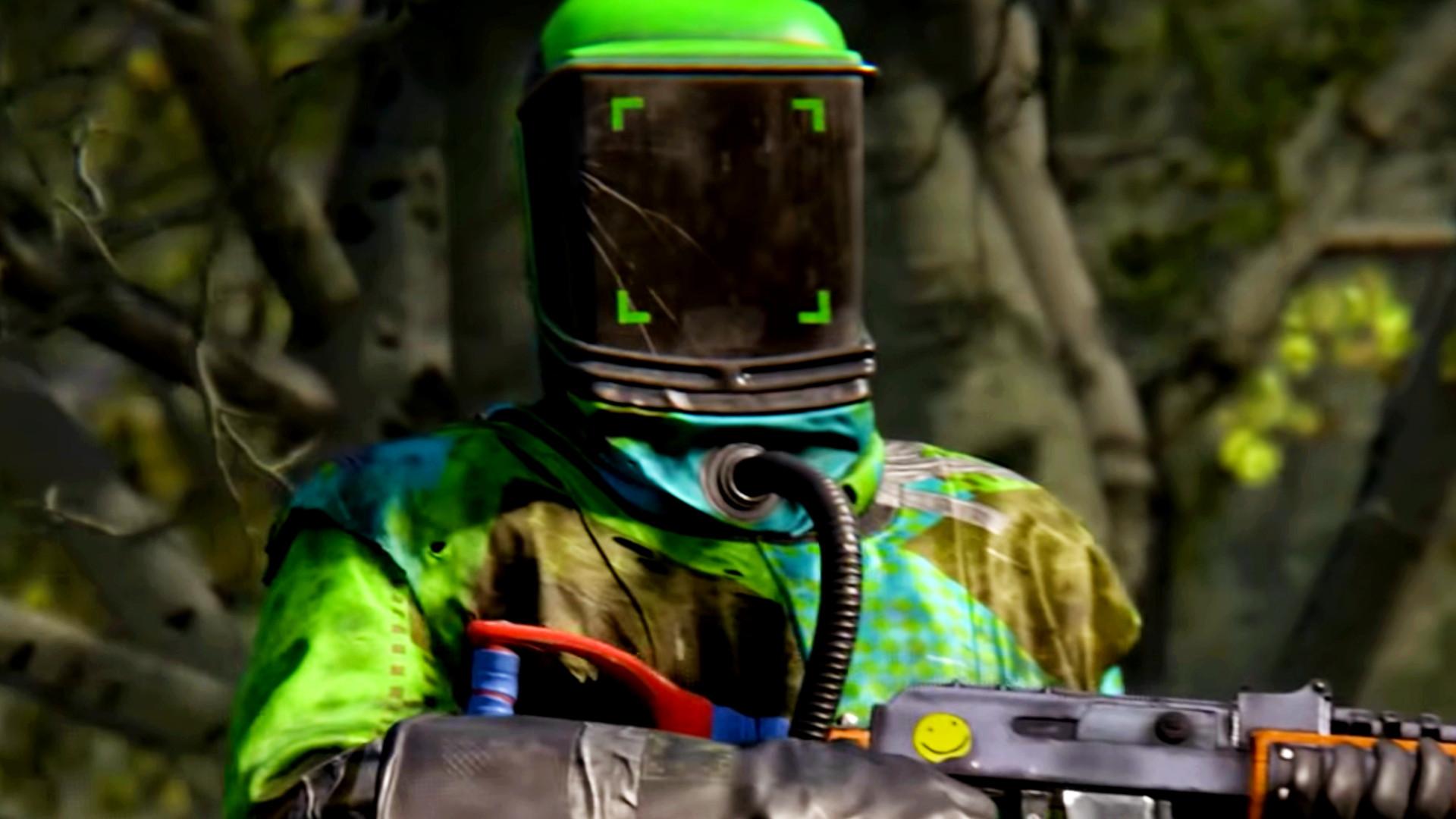
After Rust's "massive" Naval update, its to-do list includes an expanded ecosystem, breeding, and maybe a battle pass
The Rust Naval update is just around the corner, but that's only the beginning for what could be quite a year for one of Steam's best survival games. 12 years on from launch, developer Facepunch Studios is celebrating its continued climb up the charts. 2025 saw it grow "bigger than ever," reaching a new peak player count of over 250,000 active players on Valve's platform, with more than 700 million hours played across 5.8 million players in the last 12 months. Impressive stuff, but its aiming even bigger. As Facepunch looks to the future, the studio teases some of the notable features it's got in the works for 2026, including an expanded ecosystem, more load time improvements, and the possibility of a battle pass.
While the Naval update ended up slipping out of 2025, Rust still managed to boast an impressive checklist of changes across the year, from the medieval-inspired Primitive mode to the introduction of the Jungle biome, a significant crafting update, the introduction of premium servers, dramatic progression reworks, and more than 400 quality-of-life improvements. Facepunch COO Alistair McFarlane says "consistency" is the goal for 2026, with "continued guaranteed monthly updates on the first Thursday of every month."
The first big patch of the year will of course be the Naval update, which lands on Thursday February 5. It introduces player-made boats that let you traverse Rust's waters and explore new islands. "This is going to be a massive update," McFarlane teases, but adds that the team has "a huge amount of content either planned or already in active development for 2026" alongside this.
Among these are new monuments, including an apartment complex, and an update to player models and animations that will both "improve how characters look and move" and "unblock one of the biggest hurdles to player customization." Alongside this is an expansion to the ecosystem; expect "new animals, cows and sheep, for example, alongside a proper animal breeding system." Start planning your large-scale dung farms now.
"We're also taking time to revisit older content," McFarlane explains. "That includes expanding on popular features that players already love, and taking another look at less popular systems to see if they can be improved or reworked with the benefit of everything we've learned since they first shipped." He does note that "plans will evolve, priorities will shift," and adds that there are several months on the internal roadmap that currently have "light or no content" to allow the team to adapt to community feedback.

The other three topics on the table are cheating, performance, and DLC. "Cheating continues to be one of the biggest threats to Rust," McFarlane admits. He says that the premium server feature enabled in March last year, which requires you having a Rust Steam inventory valued at $15 or higher, is "doing an excellent job of gatekeeping cheaters out." He adds that the current price point "is doing its job well" and that the team currently has no plans to raise it. Also coming soon is "a new third-party anti-cheat layer that we'll be working closely with," although details aren't quite nailed down yet.
2025 saw big performance improvements for Rust, with load and server connection times cut by "around 65%" and reductions to RAM and VRAM usage. "For years, loading into Rust was easily one of the worst parts of the experience, it was embarrassing compared to other games," McFarlane concedes. "It actively held the game back, and we knew it." He says the team is "constantly fighting" to keep performance in a good spot as it rolls out new updates and more systems.
"Most players seem to understand the reality of this," he continues. "Honestly, it's a miracle Rust works as well as it does sometimes." McFarlane says there's currently "a lot of performance work underway" on underlying systems such as render pipelines and navmesh; "Performance is never 'done,' but we're committed to keeping Rust playable as it continues to grow."

Finally, McFarlane touches on paid DLC. He notes that the team hired to build this is "95% separate from our core monthly update pipeline" and that no-one was moved off existing development for it. In 2025, he points out that "nearly every month we shipped a new in-house DLC item, pack, or skinnable. That wasn't accidental, and it's a pace we're comfortable maintaining. You can expect this to continue into 2026."
The other premium option that Facepunch is "actively exploring" is "what a battle pass-style system could look like in Rust." McFarlane stresses that nothing is locked in here yet, and says, "If we do this, it has to feel very 'Rust,' fair, respectful, and good value." He comments that we're likely to hear more about this "around the middle of 2026," and that "if you're a frequent user who purchases DLC, this system should feel rewarding." In closing, he reassures players that the team will continue supporting the skinning community with one or two new skinnable items monthly.
The Rust Naval update launches Thursday February 5. If you really can't wait until next month to give it a try, remember that you can jump into it via test servers on the Rust staging branch. That version will include "bugs, performance issues, and all the rough edges we are still working through," but it's there if you'd like to get a feel for what's in store and offer feedback and help with testing. McFarlane even promises to open extra servers if demand is high enough.

 English
 Arabic
 Spanish
 Portuguese
 Deutsch
 Turkish
 Dutch
Dutch
 Italiano
 Russian
 Romaian
 Portuguese (Brazil)
 Greek
Greek