


In 1994, December 31 Was Wiped From Existence In Kiribati
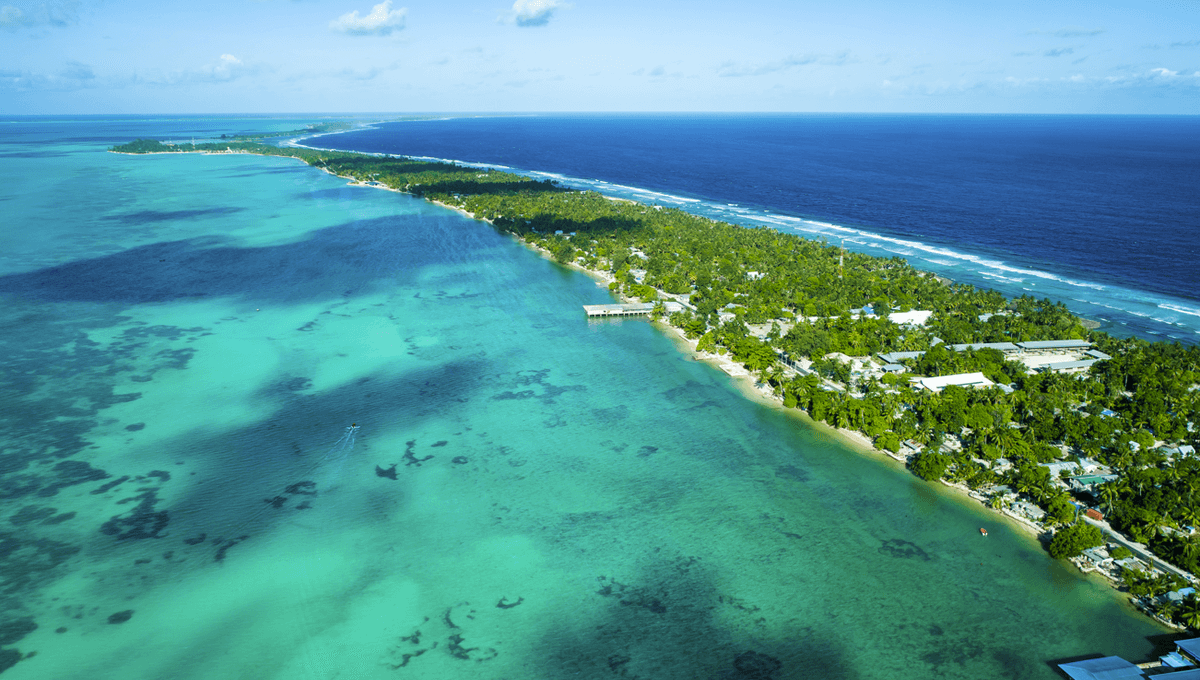
New Year's Eve Did Not Exist For Thousands Of People In 1994
The period between Christmas and New Year’s is a confusing time for many. After weeks of festivities and overindulgence, the calendar becomes a blur, and the days of the week melt into one another. The old year feels finished, but the new one hasn’t quite arrived. If you ever feel unsettled during this strange lull, spare a thought for the people of Kiribati, who in 1994 didn’t even have a December 31.
The rest of this article is behind a paywall. Please sign in or subscribe to access the full content. Kiribati is a remote island nation made up of a few dozen atolls and islands in the central Pacific Ocean. Home to around 134,500 people, its vast and scattered geography caused a unique problem prior to 1995 because the country was divided by the International Date Line. The International Date Line is a boundary that runs vertically down the globe through the Pacific, separating one day from the next. On one side, it might be Friday; on the other, Saturday. If you fly, swim, or sail across the line, you either gain or lose a day depending on which way you are traveling. It's a somewhat arbitrary boundary that isn't controlled by any international body, but it carries a huge amount of importance for travel, trade, and timekeeping. Because Kiribati sat squarely in the middle of this invisible fence, it awkwardly spanned three time zones: UTC+12 in the Gilbert Islands, but UTC−11 and UTC−10 in the Phoenix and Line Islands. In other words, there would be a 23-hour time difference between some islands. The Gilbert Islands were west of the Date Line, but many others were to the east, meaning that different parts of the country were simultaneously on different dates. The modern International Date Line has this weird zig-zag in the middle thanks to Kiribati. Image credit: Betelgeusee/Shutterstock.com "There were nine islands on the other [eastern] side of the international date line, and 20 percent of the population," Michael Walsh, the Kiribati Honorary Consul to the UK, told BBC News in 2011. Needless to say, this is a logistical nightmare, if not just plain confusing. To resolve the issue, the date line was diverted around all of the islands and atolls to ensure they were on the same day. If you look at a map of the International Date Line, you’ll notice an unusual bulge in the Central Pacific – this anomalous zig-zag is to account for Kiribati. Kiribati decided to make the bold move as the world transitioned from 1994 to 1995. However, something had to give. To make up for lost time, certain islands had to skip December 31, 1994, altogether. They simply moved from December 30 to January 1, presumably with no New Year's Eve parties in sight. “We just did it and told the world. Some atlases took a while to adjust," added Walsh. This isn’t the only time this arbitrary Date Line has caused fiddly problems. In December 2011, Samoa and the neighboring island of Tokelau moved the position of the International Date Line to align with their Asia-Pacific trading partners. As the new year arrived, they moved from west of the line to eastwards, effectively erasing December 31, 2011, from their calendar.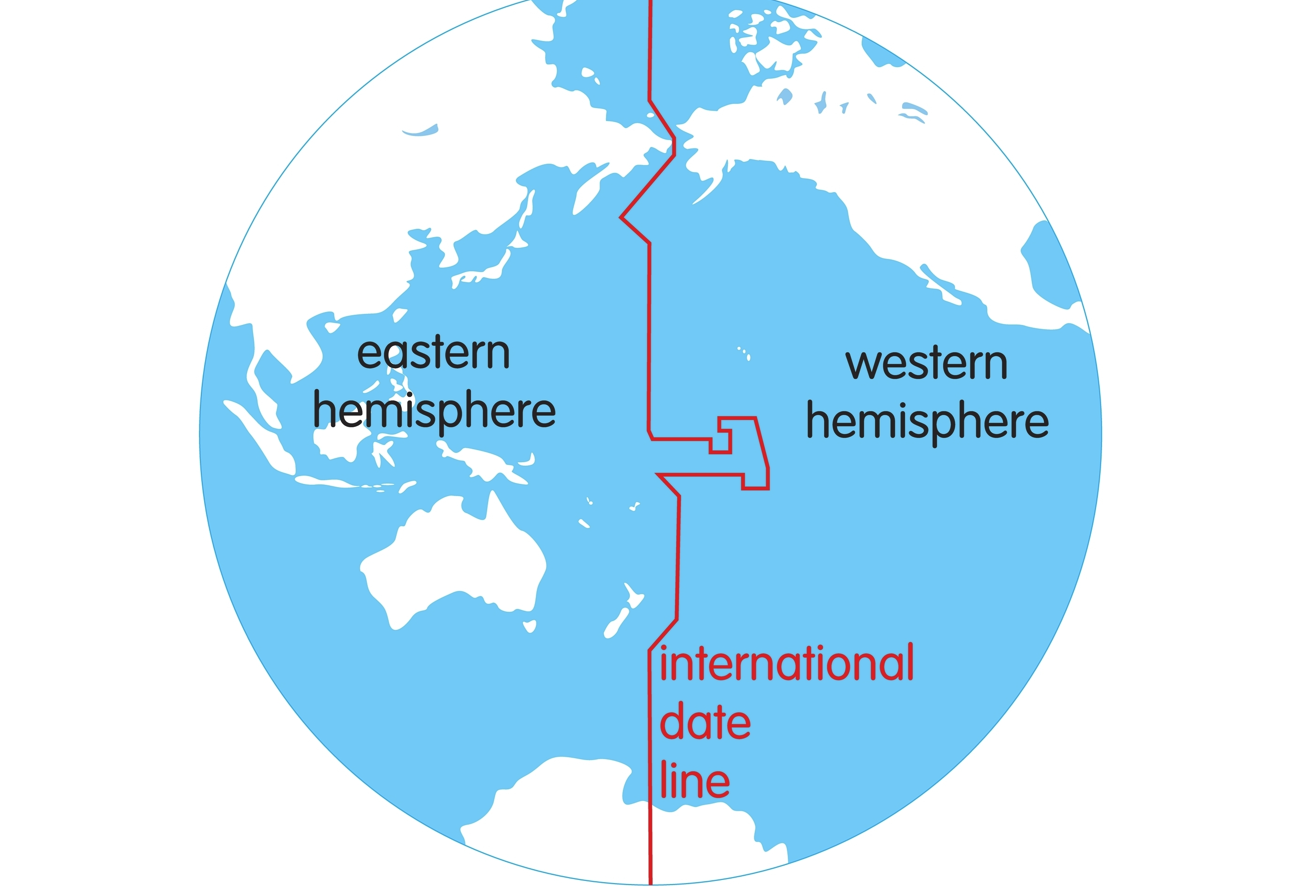

 English
 Arabic
 French
 Spanish
 Portuguese
 Deutsch
 Dutch
Dutch
 Italiano
 Russian
 Romaian
 Portuguese (Brazil)
 Greek
Greek