


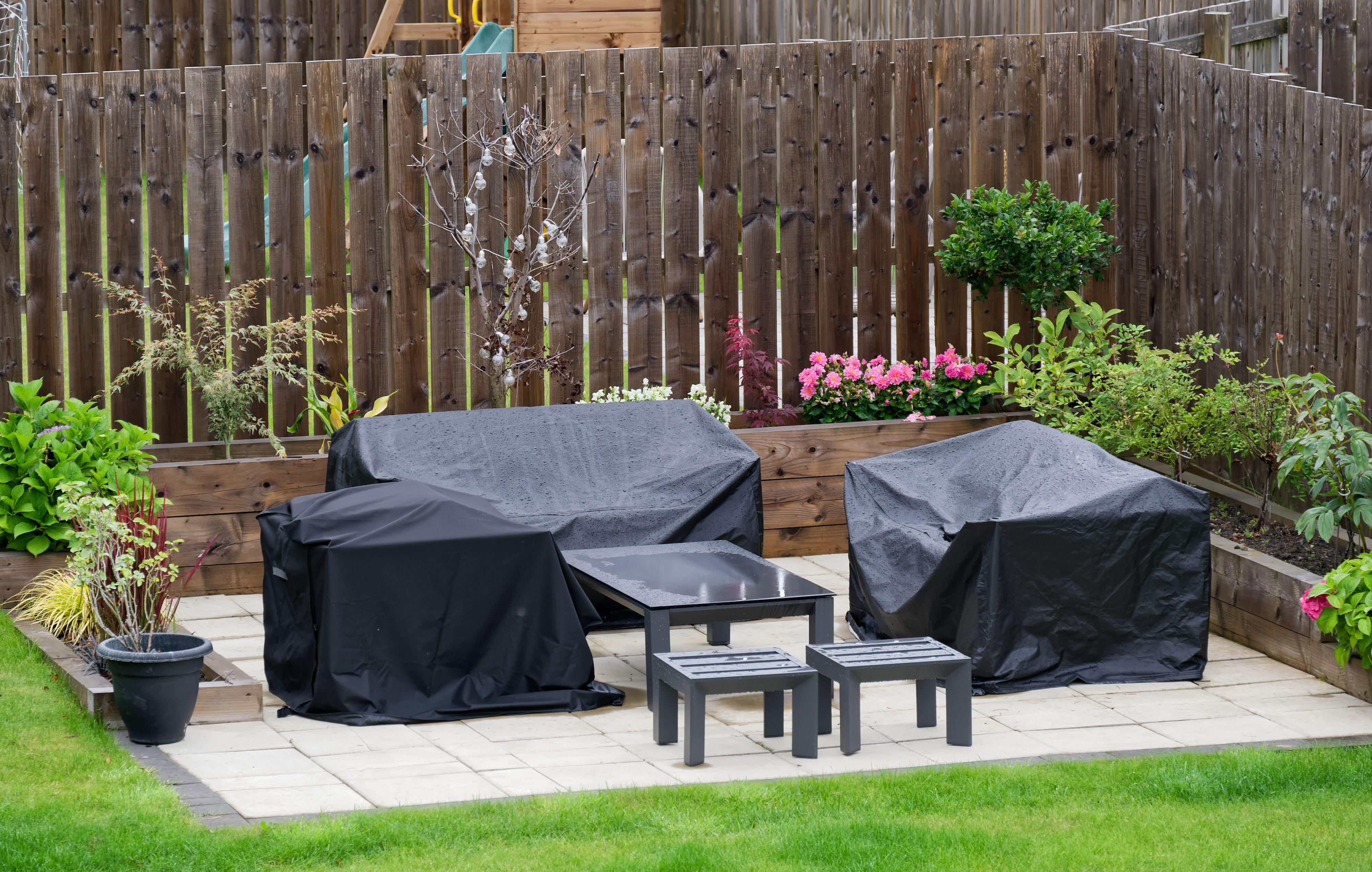
When temperatures drop and patio season comes to an end, many of us instinctively reach for furniture covers, assuming they’re the best line of defense against winter weather. And in many cases, they are—quality furniture covers can shield outdoor pieces from rain, ice, snow, and wind. But here’s the part homeowners don’t always realize: The wrong cover, or even the right cover used incorrectly, can trap condensation, encourage mold growth, and actually accelerate wear. Materials that don't breathe, covers that don’t fit properly, or furniture sealed up before it’s fully dry can lead to damage far worse than what winter exposure would have caused.
Ahead, experts share their tips and advice on how to choose the right cover and avoid the most common mistakes when winterizing outdoor furniture.
- Lindsay Foster is the senior director of merchandising for Frontgate.
- Kenneth Huening is the CEO of CoverSeal.
- Edwin Pineda is the vice president of Fortunoff Backyard Store.
- Brian Shaunfield is a Lowe’s store manager.
The Benefits of Covering Your Outdoor Furniture
Covering outdoor furniture preserves both its appearance and longevity. "Constant exposure to rain, snow, and freezing temperatures can cause fading, rust, and fabric damage—even after just one winter season," says Brian Shaunfield, a Lowe’s store manager.
According to Kenneth Huening, the CEO of CoverSeal, "Covers can also provide protection against small animals that may nest in cushions."
Lindsay Foster, the senior director of merchandising for Frontgate, adds that a properly fitted, vented cover can help prevent abrasion and fading caused by wind or debris, keeping furniture looking its best.
Finding the Perfect Fit Size and Fit
Selecting the right outdoor furniture cover requires attention to fit, material, and construction.
“Measure each piece of furniture carefully to ensure the cover fits just right. A cover that’s too small can strain seams or materials, while one that’s too loose can blow away or let debris in,” says Shaunfield. “Consider closures like buckles, drawstrings, or elastic hems.”
Related
Foster adds that covers should be supported by the furniture frame rather than draped loosely to prevent moisture from pooling, and that slight gaps at the bottom improve airflow and reduce interior humidity. Straps and hooks work well, “but a weighted system keeps wind from lifting the cover,” she says. Additional options for windy areas include attaching clips or straps to furniture legs or frames, placing heavy objects or sandbags on top of the cover, or using windproof covers with built-in straps. Regular inspection and adjustment of fastening mechanisms help ensure that covers remain secure throughout the winter.
Breathability is equally important. “Venting is essential because you don’t want to trap moisture under your cover,” says Foster. Custom covers provide the best fit for specific furniture pieces, although thicker, universal covers are also protective when sized carefully.
Choosing the Right Cover Material
Outdoor furniture covers come in a variety of materials, each with different strengths and weaknesses, and understanding these differences helps when choosing the right protection.
- Polyester, often treated with a water-resistant coating, is lightweight and durable, though it can trap moisture if not properly ventilated.
- PVC or vinyl-coated polyester offers excellent waterproofing and strong defense against rain and snow, but its lack of breathability can allow heat and moisture to build up underneath.
- Olefin, or polypropylene, resists UV rays, mildew, and stains and dries quickly, though it may be less durable under heavy use.
- Solution-dyed acrylic provides long-lasting color, superior UV resistance, and breathable protection, but it comes at a higher price and can be heavier to handle.
- UV-resistant fabrics protect finishes and fabrics from fading, cracking, or becoming brittle. “They hold their tensile strength over time and are less likely to tear or crack,” says Foster.
Covers should allow slight airflow at the bottom, avoid pooling water, and be supported by frames rather than draped loosely to minimize condensation, mold, and wind-related abrasion.
Cover Care Tips for Every Season
To keep outdoor furniture covers in top shape, maintenance is key. Foster recommends removing accumulated water or snow after storms. “Standing water can sit on top of the covers, so brush it off to protect your furniture,” she says.
Huening advises inspecting them periodically for animal activity and sun exposure. In addition, regular cleaning can significantly extend a cover’s life. Wipe down covers to remove dirt, leaves, and debris that can damage the material. Avoid storing wet covers, as this can lead to mold and mildew.
How to Store Covers When Not in Use
Proper storage keeps covers in top condition. Shaunfield recommends washing with mild soap, rinsing, and air-drying completely before storing them away from sunlight. Then store them in a dry space such as a garage or basement.
“Store covers in a tightly closed box or bag after they are completely dry to avoid mold,” suggests Huening. “Sealed holders keep insects and rodents out.”
Edwin Pineda, vice president of Fortunoff Backyard Store, adds that using a hose to rinse covers before storage is the best way to remove residue that can degrade the material over time. Avoid storing covers directly on wet surfaces, check them periodically for rodent activity, and ensure covers aren’t over-cinched, which can restrict airflow and trap moisture.
Cover Costs: What to Expect
The price of covers varies by size and material. Shaunfield notes that standard covers often start around $50, with premium or custom options ranging from $200 to $400. “Expect to pay $150 for a larger lounge chair cover and $230 for a sofa with universal sizing,” says Foster. Custom covers can cost double the price.
The Right Way to Cover Wicker, Wood, Metal, and Plastic This Winter
Not all outdoor furniture is created equal—understanding how each material responds to winter conditions can help you choose the right cover and care approach. Below, we outline the benefits and risks of covering wicker, wood, metal, and plastic to help you tailor your protection most effectively.
Wicker: Natural & Synthetic
Benefits
- Breathable, vented covers help moisture escape, reducing the risk of mildew.
- Covers protect wicker from UV exposure, which can dry out fibers and cause fading.
- Secure, properly fitted covers prevent wind-driven abrasion that can fray woven fibers.
- Slightly elevated covers improve airflow and reduce humidity buildup.
- Raised or tented cover designs prevent water pooling and reduce the downward pressure that drives moisture into surfaces.
Risks
- Non-breathable covers trap moisture, which natural wicker absorbs easily, leading to mildew and warping.
- Covers that reach the ground trap humidity around wicker, increasing mold risk.
- Loose-fitting covers can flap in the wind and abrade wicker surfaces.
- Covers with backing can cause friction damage to woven fibers.
- Dirt or debris left on the furniture before covering can scratch or embed into the weave.
Wood: Teak, Eucalyptus, Acacia
Benefits
- Breathable, UV-resistant covers protect against fading, moisture damage, and winter exposure.
- Keeping wood clean and dry before covering reduces mold and mildew formation.
- Protective covers help prevent snow, rain, and sun from degrading finishes over time.
- All wood types benefit from winter protection, especially softer species like eucalyptus and acacia.
- Slight gaps at the bottom and tented designs reduce condensation and water pooling.
Risks
- Non-breathable or tight covers trap condensation, causing warping, swelling, or mildew.
- Covers that touch the ground restrict airflow around legs, creating damp microclimates.
- Plastic or vinyl-heavy covers may trap heat on sunny winter days, leading to uneven expansion and stressed joints.
- Covers resting directly on tabletops can trap moisture against the surface, causing water rings or finish clouding.
- Water pooling on top of a cover can force moisture downward into the wood grain, even through breathable fabrics.
- Over-cinching covers can restrict airflow and accelerate moisture issues.
- Placement under gutters or rooflines can increase winter damage, especially from icicles or refreezing snow melt.
Metal: Steel, Aluminum, Wrought Iron, Anodized Coatings
Benefits
- Breathable, ventilated covers help reduce oxidation and prevent trapped moisture.
- UV-resistant covers help prevent fading, even on anodized aluminum.
- Secure straps keep covers in place during windy or stormy weather.
- Removing debris before covering prevents grit from scratching metal finishes.
- Slight gaps and frame-supported covers reduce condensation buildup.
Risks
- Covers that wick water from the ground can transfer moisture to metal bases, increasing rust risk.
- Overly tight covers can trap salty air near oceans or pools, accelerating corrosion.
- Non-vented covers cause condensation that leads to micro-rust spots, especially on welds and joints.
- Covers with rough or backed materials can rub against powder-coated finishes in the wind, exposing metal beneath.
- Moisture left on the furniture before covering can lead to oxidation under the cover.
- Snow melt refreezing in joints or frames can cause cracks or separation.
Plastic/Resin
Benefits
- Breathable, water-resistant covers protect plastic and resin from UV fading and discoloration.
- Covers keep leaves, debris, and staining organic matter off light-colored plastic.
- Lightweight, fitted covers prevent wind exposure that contributes to brittleness over time.
- Raised or tented designs prevent pooling and allow airflow beneath the cover.
Risks
- Non-vented covers trap heat, causing temperature swings that make plastic more brittle.
- Heavy, waterlogged covers can warp lightweight resin furniture or tabletops.
- Covers resting directly on flat resin surfaces trap condensation, leading to discoloration or cloudiness.
- Dark-colored covers absorb heat, increasing thermal stress on lower-quality plastics.
- Leaves left under a cover can stain resin permanently.

 English
 Arabic
 French
 Spanish
 Portuguese
 Deutsch
 Turkish
 Dutch
Dutch
 Russian
 Romaian
 Portuguese (Brazil)
 Greek
Greek