


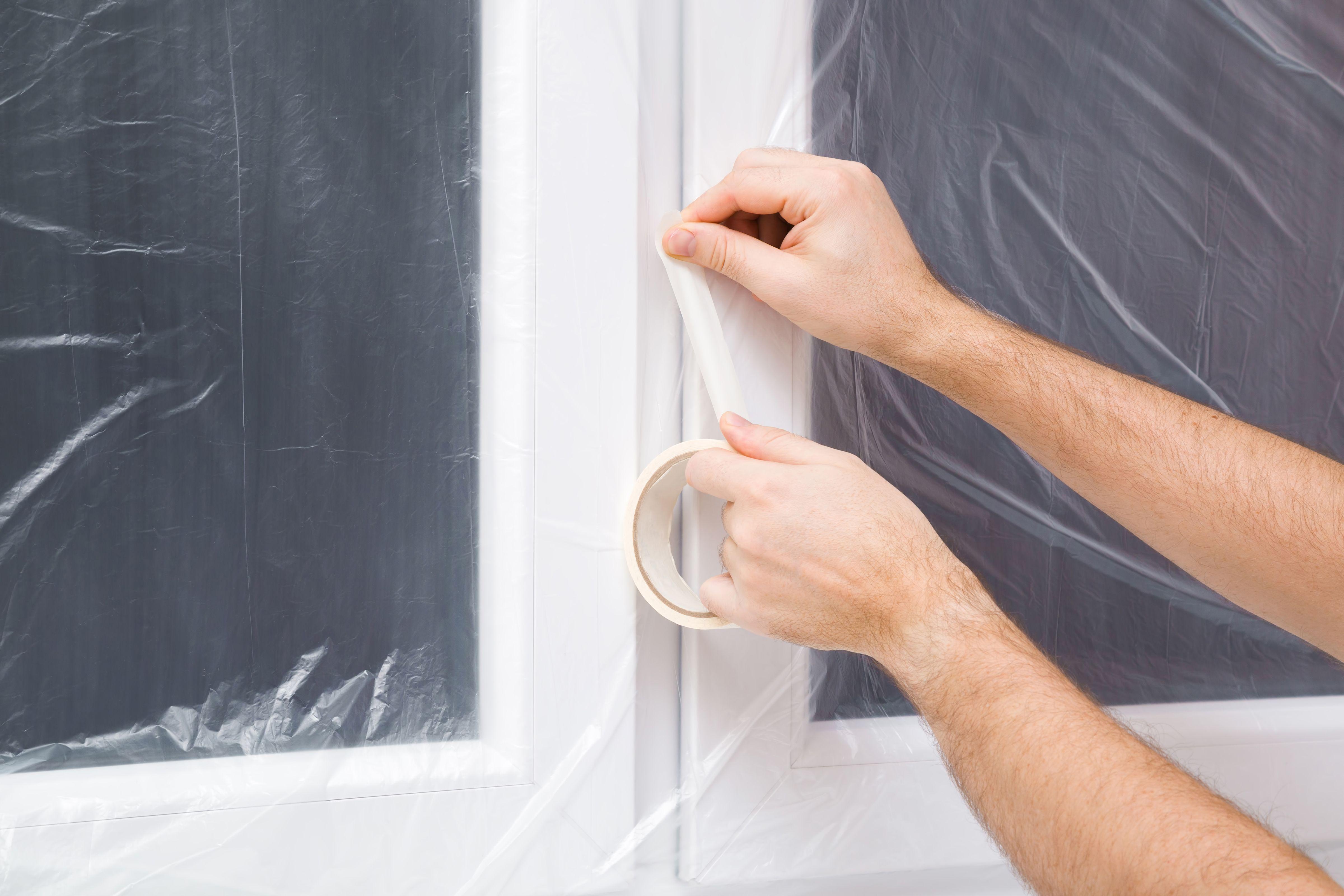
Cold weather can hit fast, forcing your HVAC system to work hard every day to keep up with the demand of keeping your home comfortable. While your house might stay warm and toasty, the cost of heating it becomes clear when you receive your monthly bills.
To keep energy costs down and reduce energy waste, some homeowners install plastic window wrap. The idea being that this added layer of plastic will help to insulate the windows. But does this actually work? We spoke to an energy expert to find out if plastic window wrap will actually help you save money and how to apply it correctly for the best results.
Nick Barber is an energy expert and the co-founder at Prepaid Electricity.
Does Plastic Window Wrap Actually Save Money?
Applying window wrap on the interior of a window is a quick and easy way to reduce energy waste. Most homeowners and DIYers have the skills to complete this simple job, helping you improve your home's energy efficiency and lower your energy bills.
Nick Barber, energy expert and the co-founder at Prepaid Electricity, says, "Plastic window wrap can absolutely be effective if used correctly. It acts as a temporary barrier that slows heat transfer through single-pane windows."
How It Works
Window wrap can be applied to your windows to help insulate them and reduce heat transfer through the glass. By slowing the rate at which the heat escapes the home, you can reduce the amount the HVAC system needs to work, ultimately saving on your overall household energy use.
Barber notes that plastic window wrap works by creating a layer of trapped air between the plastic and the glass. This pocket of air works like a double-pane window, slowing the flow of warm air out and cool air in. "It won’t fix all the energy gaps in a room, but it will slow down heat loss through glass significantly," he says.
Potential Cost Savings
The amount you can save by using this simple method depends on several factors. For instance, using a DIY kit you put together with household supplies can help reduce energy waste, but it might not be as effective as using a plastic window insulation kit specifically made for this purpose.
"Using plastic window insulation kits, homeowners can expect to save as much as 5-10% of their heating costs. However, this percentage still depends on the number of windows insulated, the size of the house, as well as the airtightness of the rest of the building envelope, but for such a low cost, ranging from $15 to $30, the ROI is quick," states Barber.
Related
How to Apply Plastic Window Wrap for the Best Results
Before you can start saving on your energy bills, you need to ensure you apply the plastic window wrap properly. If the installation is done carelessly, then it will not have the same insulating effects, reducing the potential for energy savings. Follow these straightforward steps to apply plastic window wrap for the best results.
- Begin with fresh, dry windows. If the windows are dirty, take the time to clean them and let them dry.
- Apply the double-sided tape included with most plastic window insulation kits along the interior edge of the window. If you are using a DIY kit, then make sure to purchase high-quality double-sided tape for the installation.
- Press the plastic wrap firmly down on top of the tape, and be sure it extends beyond the edges of the windows.
- Use a hair dryer on the plastic wrap to shrink it tightly. This will remove any wrinkles and provide a better seal.
- Finally, apply tape over the edges of the plastic to create a tight seal.
Common Mistakes to Avoid
The fewer mistakes you make while installing the plastic window wrap, the better the outcome and the higher the energy savings. Take your time during preparation, planning, and installation to avoid these common mistakes when applying plastic window wrap.
- Not cleaning the window trim first.
- Applying tape or film to a damp surface.
- Leaving small gaps around the film.
- Not enough overlap between horizontal and vertical runs (4 to 6 inches is recommended).
- Overstretching the plastic wrap.
- Applying without proper tension, creating wrinkles or bubbles.
- Skipping the heat-shrinking.

 English
 Arabic
 French
 Spanish
 Portuguese
 Turkish
 Dutch
Dutch
 Italiano
 Russian
 Romaian
 Portuguese (Brazil)
 Greek
Greek