


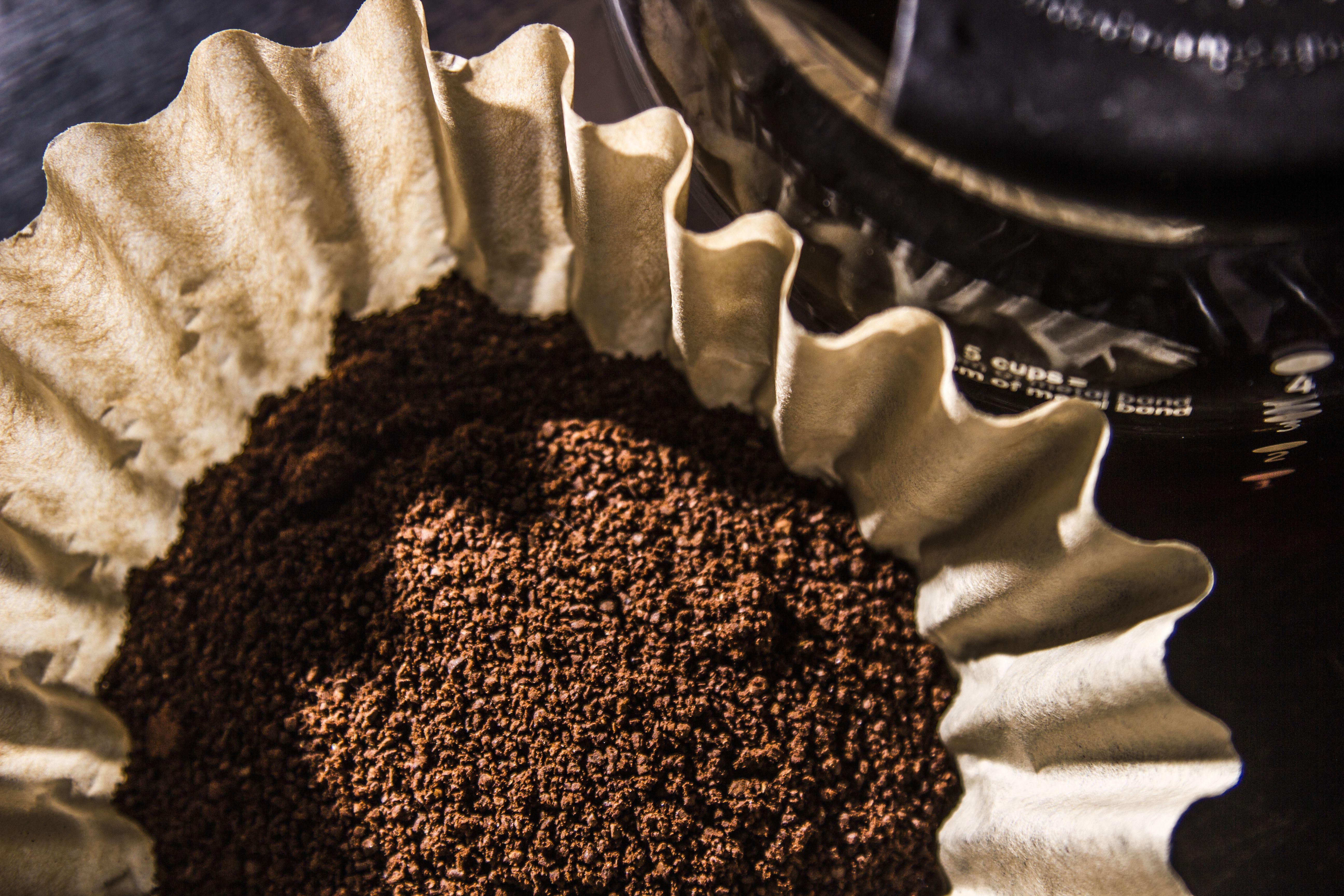
Key Takeaways
- Coffee grounds can clean and degrease pans effectively due to their abrasive texture and natural degreasing properties.
- They can be used to absorb unpleasant odors in refrigerators by neutralizing them with nitrogen.
- Coffee grounds help weigh down ashes in fireplaces, making the cleanup process easier and less messy.
Coffee grounds can be a surprising ally in household cleaning and repairs. Typically regarded as waste, these grounds can be repurposed to tackle various cleaning tasks. Although not as versatile as lemon or baking soda, coffee grounds offer unique solutions for cleaning and maintaining items around your home. Discover six practical ways coffee grounds can refresh and repair common household items.
Getty Images / Min Kim
1. Clean and Degrease Pans
Coffee grounds work in two ways to help scour away buildup, including stubborn oil and grease, from pots and pans. Coffee's course texture gives it a slightly abrasive quality that can help remove burnt-on food from the surface of cookware. Coffee grounds fall into the "mild abrasive" category and so, much like baking soda, are safe to use even on delicate non-stick cooking surfaces like Teflon or cast iron. Coffee also has natural degreasing properties, so it will cut through oily buildup as it lifts stuck-on food.
To use coffee grounds for washing pots and pans, fill the pan one-third to halfway with warm, soapy water and add 1 Tbsp. of grounds. Then, using a non-abrasive sponge, gently scour the pan with the soapy grounds. Rinse well and dry as usual.
2. Clean Oven and Grill Grates
The degreasing and scouring properties of coffee grounds also make easier work of cleaning oven and grill grates, eliminating greasy buildup and stuck-on food. Combine 1 to 2 Tbsp. of coffee grounds with warm water, either in the sink or in a large plastic bag, and use it as a soaking agent for cleaning oven racks and grill grates. After soaking the racks or grates for 45 minutes, wipe away buildup with a sponge or rinse with running water.
3. Absorb Fridge Odors
Even the most orderly, well-maintained refrigerators can take on unpleasant aromas from time to time. After getting rid of the source of the smell, set a small bowl or cup of dry coffee grounds in the refrigerator. The nitrogen in the grounds reacts with carbon, neutralizing and absorbing the unwanted odors.
Related
4. Get Rid of Odors on Hands
Coffee grounds can also help neutralize strong odors on hands from handling foods such as garlic and onions. Simply rub a small spoonful of grounds between your palms to eliminate odors. As a bonus, the coffee grounds will gently exfoliate your hands.
5. Remove Scuffs from Wooden Furniture and Floors
When wooden furniture or flooring gets scratched or nicked, coffee grounds can be used to restore the finish. Make a thick paste by mixing the grounds with a small amount of water or cooking oil and apply it to the scuffs. Gently rub it into the damaged areas and allow it to sit for 10 to 15 minutes. Then, wipe away the excess grounds and buff the wood dry. Repeat the process if necessary.
6. Weigh Down Ashes for Easier Fireplace Cleanup
Cleaning the fireplace is a messy, frustrating job; even the slowest, most methodical shoveling can leave ash and dust flying everywhere. To help keep ash and other fine particulates from forming clouds when shoveling, sprinkle coffee grounds on top of the ash prior to cleaning. The grounds will weigh down the ash, making it easier to scoop it up and dispose of it.
Frequently Asked Questions
-
Either would work but we recommend saving the fresh stuff for actually making coffee then, after the grounds have been brewed, use them for cleaning. You could also use instant coffee granules for these methods.
-
The larger the coffee grounds, the more abrasive power they will have, so we recommend a coarse, medium coarse, or medium grind. Avoid using fine and extra fine grind for cleaning. They are too lightweight and powdery to do a good job of cleaning.
-
If you're not going to use wet grounds right away, put them in an airtight container (either plastic or glass) and store them in the refrigerator so they do not grow mold. Label them clearly as used grounds.
Another option, albeit more time-consuming, is to dry the used grounds on newspaper. Line a baking sheet with several layers of newspaper and spread the wet grounds on top. Tear thick strips of newspaper and layer the strips in with the grounds. Each day, stir the grounds and layer in new strips of newspaper as needed until the grounds are dry to the touch.

 English
 Arabic
 French
 Spanish
 Portuguese
 Deutsch
 Dutch
Dutch
 Italiano
 Russian
 Romaian
 Portuguese (Brazil)
 Greek
Greek