


ZikG/Shutterstock
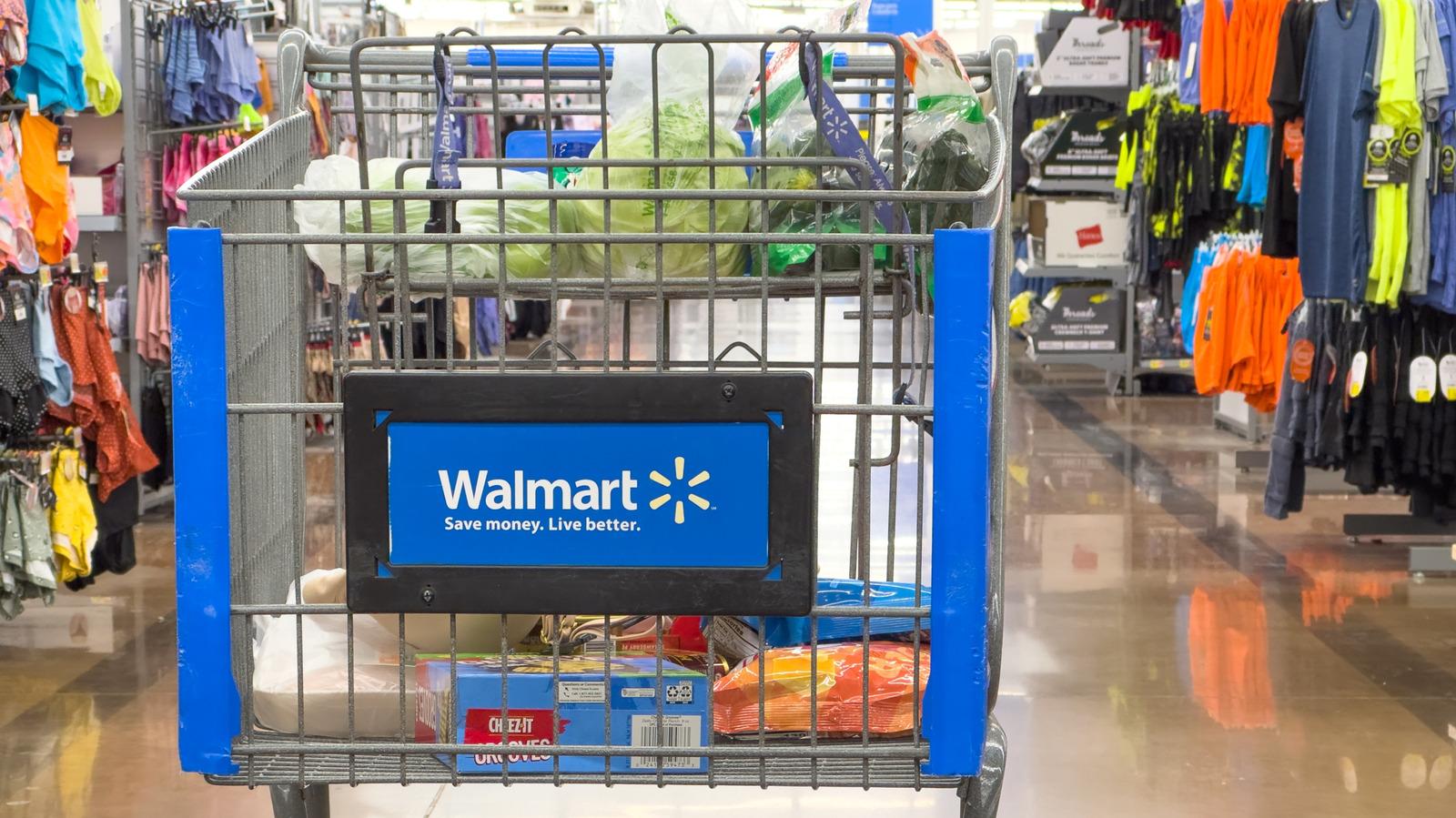
Walmart is a mixed bag when it comes to customer satisfaction. While the grocery retailer is often more affordable than its competitors, Walmart has received its fair share of critical feedback regarding the quality of its products, the large, sometimes unruly crowds that congregate in the store, and the wonky carts that make shoppers believe god has abandoned them specifically. Many people have a love-hate relationship with the chain, yet despite the criticism, Walmart is here to stay. The company even has some big developments in store for 2026 and beyond, and we've compiled the discount retailer's most ambitious goals here.
With a focus on expansion and modernization, Walmart plans to implement a "Store of the Future" concept by updating or constructing over 100 new locations. The chain will make technological upgrades in numerous areas, including changes to how products are priced and AI training for employees. Walmart will also see a change in its executive leadership. It's not yet clear what kind of impact these modifications will have on the chain, but it does show that Walmart isn't afraid to evolve when faced with a shifting consumer landscape.
Walmart is implementing AI-driven employee training programs
6428W Digital Art/Shutterstock
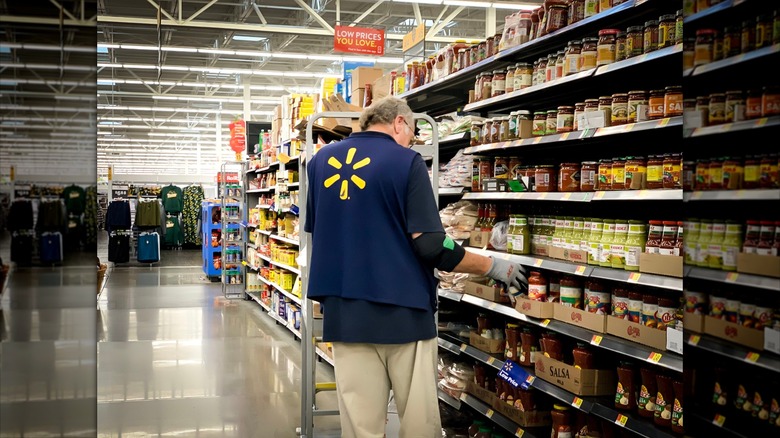
In the U.S. alone, Walmart employs 1.6 million workers, while its global tally of employees is 2.1 million. When Walmart employees revealed what it's really like to work there, they cited a high employee turnover rate as one of the downsides, so it's safe to assume the store is heavily invested in employee retention. To this end, the company offers career training and resources through its Walmart Academy, and these programs are available to store employees, corporate staff, and management. In 2026, perhaps Walmart is hoping that its recent partnership with OpenAI will further incentivize staff to remain with the company for the long term.
As part of a deal that enables ChatGPT users to purchase Walmart products during chat sessions, all workers at the chain will have free access to AI training and certification programs offered by OpenAI. It's not clear what courses will be available to workers, but OpenAI currently offers a program called AI Foundations, which teaches people how to use ChatGPT in a professional context. Upon completion of coursework, participants are issued a certificate illustrating their prowess with the generative chatbot. With serious concerns about AI's impact on the job market, access to no-cost training could make Walmart more appealing to jobseekers.
The chain plans to build and modernize 150 stores
Framalicious/Shutterstock
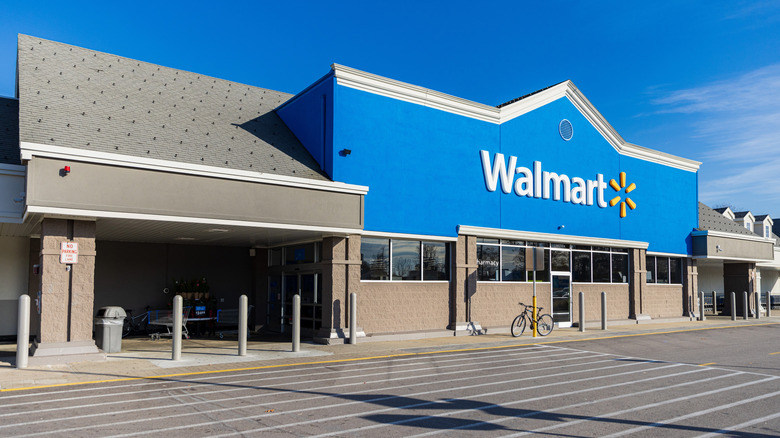
If you've been patiently waiting for a shiny new Walmart to pop up where you live, rest assured that the chain is working on it. In April 2025, Walmart established a brand-new Supercenter in Cypress, Texas, heralding a new phase in the grocery chain's history. Walmart Supercenters are large, multi-faceted stores designed to serve consumers in high-population areas. These locations typically offer a wider range of merchandise, whereas Walmart's Discount Stores feature a scaled-back selection with a focus on pre-packaged groceries and household essentials. For example, the Supercenter in Albany, New York, the largest Walmart in America, is a massive building spanning 260,000 square feet and two floors.
Along with a spate of new Supercenters in places like Texas, California, and Utah, Walmart also has plans to build or revamp 150 stores in an effort to implement its "Store of the Future" concept. The new Cypress Supercenter and future stores are designed to focus on the needs and wants of the customer. Modernized locations will offer an extensive assortment of services, including an Auto Care Center and express delivery, and improve the shopping experience with updated amenities across multiple departments. Work is currently underway, and the rollout of new and revamped stores is set to take place over the course of several years.
CEO Doug McMillon set to retire in 2026

Ethan Miller/Getty Images
Doug McMillon, Walmart's highest-ranking executive, is a testament to the power of hard work and determination. Joining Walmart as warehouse staff in 1984, McMillon steadily rose through the ranks and was named CEO of the company in 2014. McMillon, who once warned of price increases at Walmart due to theft, will retire in January 2026, signaling the end of an era replete with growth and advancement. Walmart executive John Furner will assume the role once McMillon officially enters retirement.
Walmart's current CEO gets credit for several achievements that defined the retailer over the last decade. Under McMillon's leadership, Walmart implemented many technological advancements that helped the chain compete with e-commerce giants like Amazon. Walmart also instituted pay raises for its entry-level employees, as well as college tuition assistance programs. The company achieved its goal of reducing its greenhouse gas emissions by one gigaton six years before the projected end date. As for financial wins, the chain has experienced a consistent uptick in revenue with McMillon at the helm, who's also lauded for keeping Walmart on track during the COVID-19 pandemic. McMillon's retirement announcement came as a surprise, and it's not fully clear what led to the CEO's decision.
New technology: more automation and digital price tags are underway
The Image Party/Shutterstock
Most consumers don't give much thought to how products end up on store shelves. However, efficient management of the supply chain is crucial to retailer success, and Walmart has instituted automated processes within its distribution networks and fulfillment centers (which are tasked with shipping online orders to customers). In addition to the existing automated locations, Walmart will break ground on another fulfillment center in 2026, which will feature technological advancements like autonomous mobile robots and streamlined storage processes. Cutting-edge equipment, such as self-driving forklifts and special sensors to help with inventory, is now being used in the chain's distribution centers.
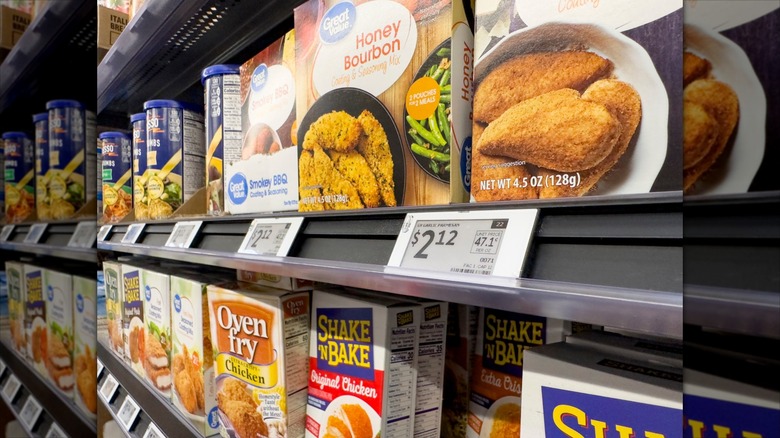
Along with these back-end innovations, Walmart is in the process of upgrading price tags in its stores. The chain frequently offers discounts and price markdowns on its items, and the current setup requires staff to manually change prices. Instead of the paper tags you typically see when shopping for groceries, Walmart will use digital labels that can be easily updated when price changes occur. Upgraded shelf labels are currently being rolled out, and Walmart projects that they'll appear in 2,300 locations by 2026. In addition to making life easier for Walmart associates, the new labels ensure that shoppers will be privy to the most accurate prices as they navigate the store.

 Arabic
 French
 Spanish
 Portuguese
 Deutsch
 Turkish
 Dutch
Dutch
 Italiano
 Russian
 Romaian
 Portuguese (Brazil)
 Greek
Greek