


In A Monumental Scientific Effort, The Human Genome Has Been Mapped Across Time And Space In Four Dimensions
In A Monumental Scientific Effort, The Human Genome Has Been Mapped Across Time And Space In Four Dimensions
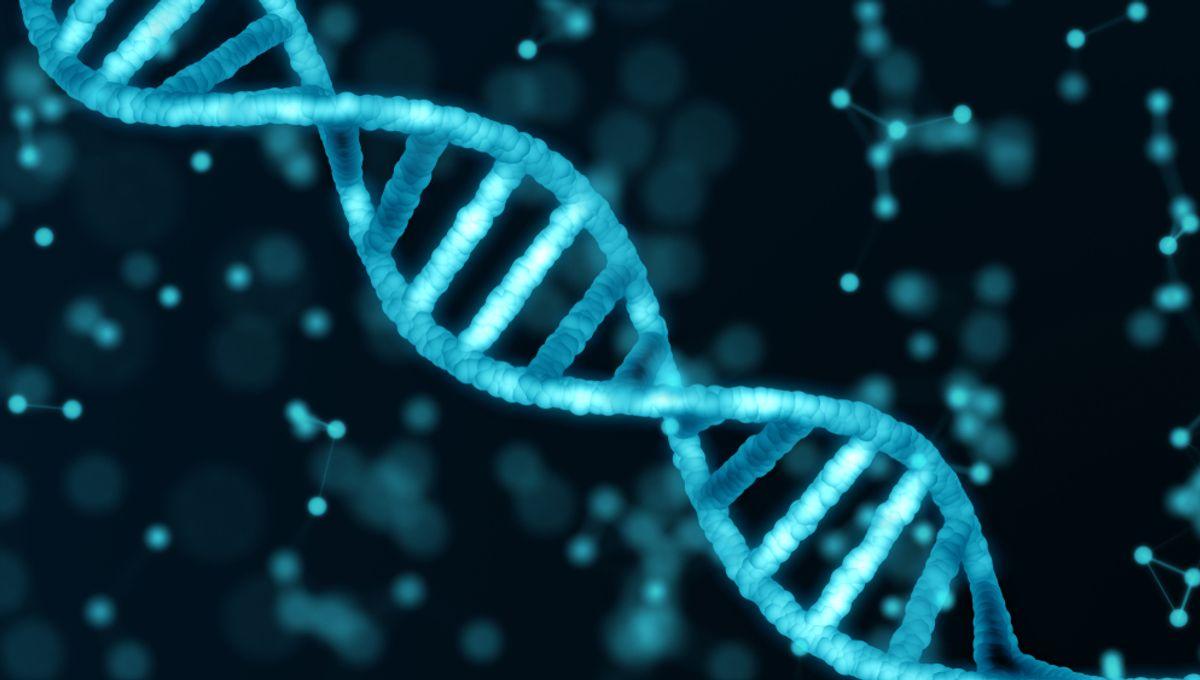
The Human Genome Project was completed a little over twenty years ago. Now, scientists involved in the 4D Nucleome Project have created a detailed map that not only showcases the human genome in 3D, but reveals how different components of the genome interact with one another over time – if the first was a blueprint, the latter is a scale model with moving parts.
The rest of this article is behind a paywall. Please sign in or subscribe to access the full content. “Understanding how the genome folds and reorganizes in three dimensions is essential to understanding how cells function,” Feng Yue, the Duane and Susan Burnham Professor of Molecular Medicine in the department of biochemistry and molecular genetics at Northwestern University, said in a statement. Up until now, the genome has been presented as a (very long) sequence of code containing a series of letters, each representing a chemical base – A for adenine, C for cytosine, G for guanine and T for thymine. Think of a recipe book with four ingredients. It’s an incredibly impressive feat that has contributed to countless scientific and medical discoveries, from breakthroughs in personalised medicine to the development of CRISPR. But it only tells part of the story. This is because the human genome is not linear. It loops and it folds. Genes interact with one another. And these interactions can determine which genes are turned on and which are turned off. This, in turn, can affect cell identity and the development of disease. Researchers writing in Nature explain the goal of the 4D Nucleome project is “to gain detailed insights into the 3D folding of the human genome at the resolution of functional elements, in different cell states, over time and in single cells”. Using integrative genome modelling techniques, the team mapped those of human embryonic stem cells and fibroblasts, a type of cell that plays an important role in the creation of connective tissue. The result was high-resolution 3D models of the whole genome at a single-cell level. Within these models, the researchers were able to identify the positioning and classification of different chromosomal domains and put together “an extensive catalogue” of more than 140,000 looping interactions for each cell type, establishing how they influence gene regulation. Just as the Human Genome Project enabled a series of medical breakthroughs, the team has big hopes for the 4D Nucleome Project. Cancer currently affects four in ten people over a lifetime. This model should enable future researchers to study how different genetic variants impact gene expression and lead to disease, and may well pave the way for novel diagnostic tools and therapies centred on the genome. “The 3D genome organization provides a powerful framework for predicting which genes are likely to be affected by these pathogenic variants,” Yue said. “Having observed 3D genome alterations across cancers, including leukemia and brain tumors, our next aim is to explore how these structures can be precisely targeted and modulated using drugs such as epigenetic inhibitors.” Ultimately, the project shows just how complex the human genome really is. It’s not just the genome’s individual components, but how they are positioned and how they interact with one another that determines gene expression. This study was published in Nature.

 English
 Arabic
 Spanish
 Portuguese
 Deutsch
 Turkish
 Dutch
Dutch
 Italiano
 Russian
 Romaian
 Portuguese (Brazil)
 Greek
Greek