


These Hognose Snakes Have The Most Dramatic Defense Technique You've Ever Seen
These Hognose Snakes Have The Most Dramatic Defense Technique You've Ever Seen
Snakes are pretty impressive creatures, living in a variety of habitats and populating every continent except Antarctica. Across this diverse group of animals is a wide range of defensive behaviors, but nothing can beat the hognose snakes for their acting skills.
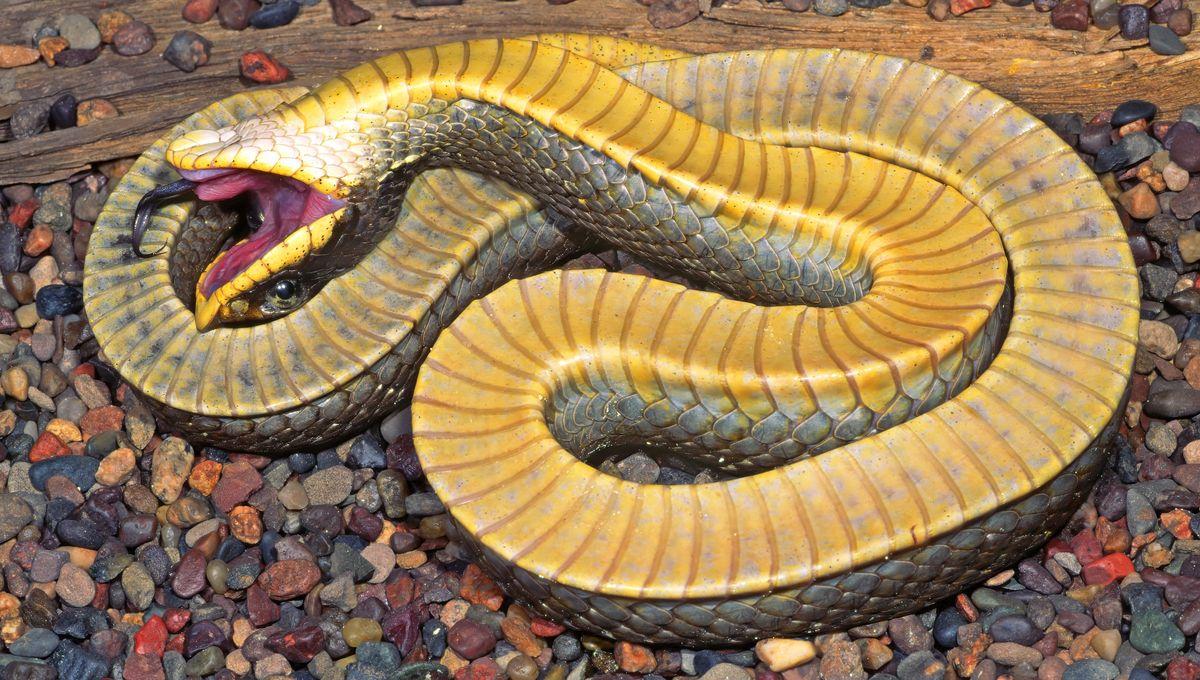
The rest of this article is behind a paywall. Please sign in or subscribe to access the full content. Hognose snakes belong to the genus Heterodon, containing three species, all of which are native to North America. This includes the plains hognose (Heterodon nasicus), the southern hognose (Heterodon simus), and the eastern hognose snake (Heterodon platirhinos). The latter is the largest of them all, with the record length for the species coming in at 126.8 centimeters (49.9 inches). Hognoses can also become prey for a lot of other species, such as raccoons, opossums, other snakes, and birds of prey. To combat this, they have a very dramatic form of defense. When threatened, the hognose may try to strike back, but if this proves unsuccessful, they will play dead. ⓘ IFLScience is not responsible for content shared from external sites. This involves flattening their heads and necks, and rolling onto their backs and convulsing. The snakes might even defecate or bring up a recent meal while doing this behavior, further warning other predators that this is not something you want to consume, before going motionless. Sometimes the tongue even hangs out of the mouth. The tongue really sells it! Image Credit: Mike Redmer/Shutterstock.com As for its own prey, the eastern hognose in particular eats a diet of mainly toads, particularly Bufo terrestris; however, they will also take frogs, other small reptiles, birds, and even fish. Salamanders can also populate the menu. The hognoses have specialized fangs that deliver venom into the toads; they may even puncture their prey's lungs, combating the defense mechanism of the toads puffing themselves up to appear larger. The venom of a hognose snake is not dangerous to people, and bites to humans are extremely rare. The hognose snakes are named as such because of their pig-like upturned snouts and facial scales that help them push aside soil and leaf litter as they look for their prey. The snakes' colors are highly variable and can be any shade from gray to tan, olive, or even orange. Active in the day, eastern hognoses have a small home range of around 50 hectares (124 acres) and can explore much further to find food and mates, including swimming across rivers. They are most active from April until October, hibernating in the colder months. These snakes aren't the only species capable of an Oscar-worthy performance; Natrix tessellata might just steal the win from under their hognoses. 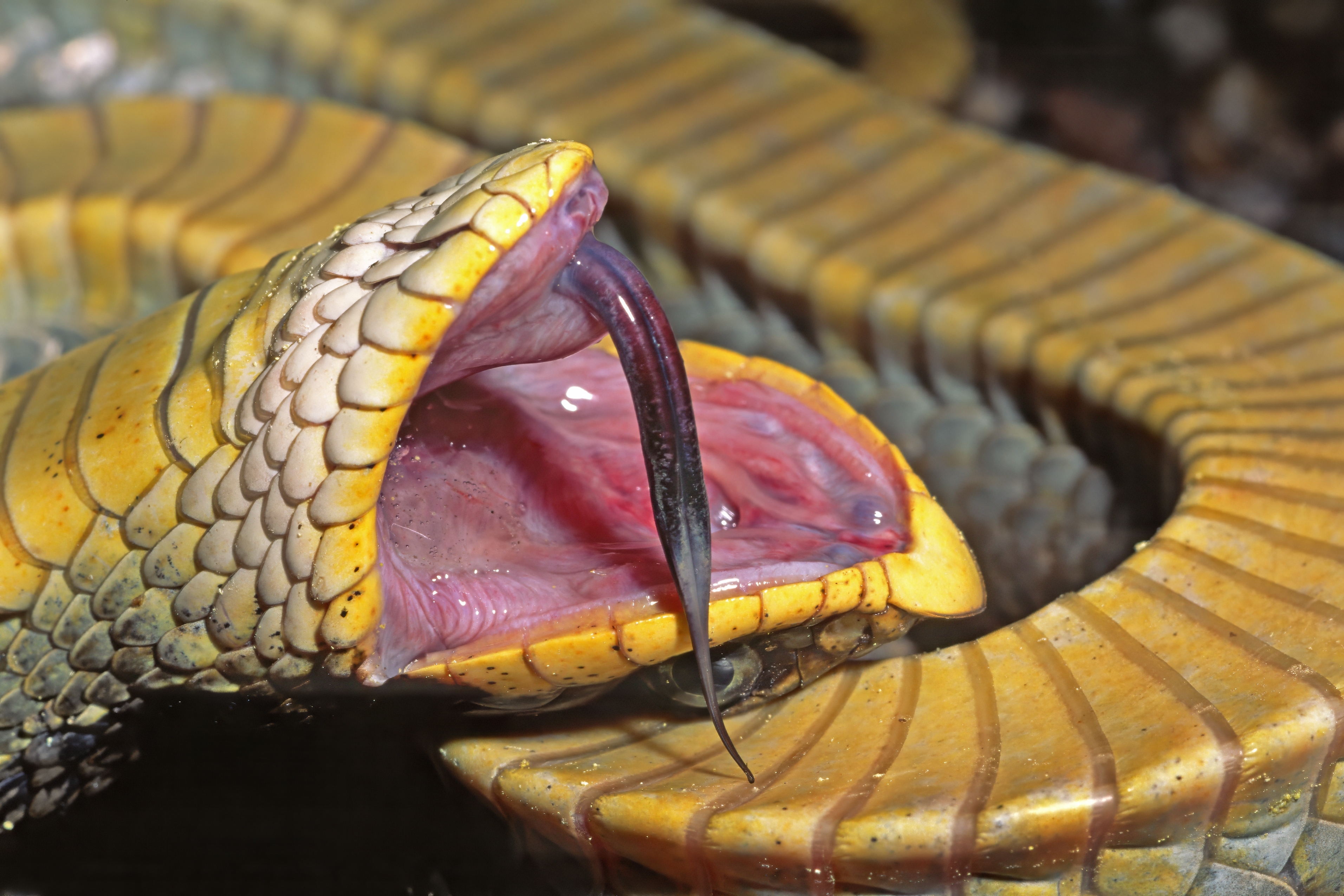

 English
 Arabic
 French
 Portuguese
 Deutsch
 Turkish
 Dutch
Dutch
 Italiano
 Russian
 Romaian
 Portuguese (Brazil)
 Greek
Greek