


Expensive DDR5 RAM is driving PC gamers to make this major mistake, and you need to avoid it
Expensive DDR5 RAM is driving PC gamers to make this major mistake, and you need to avoid it
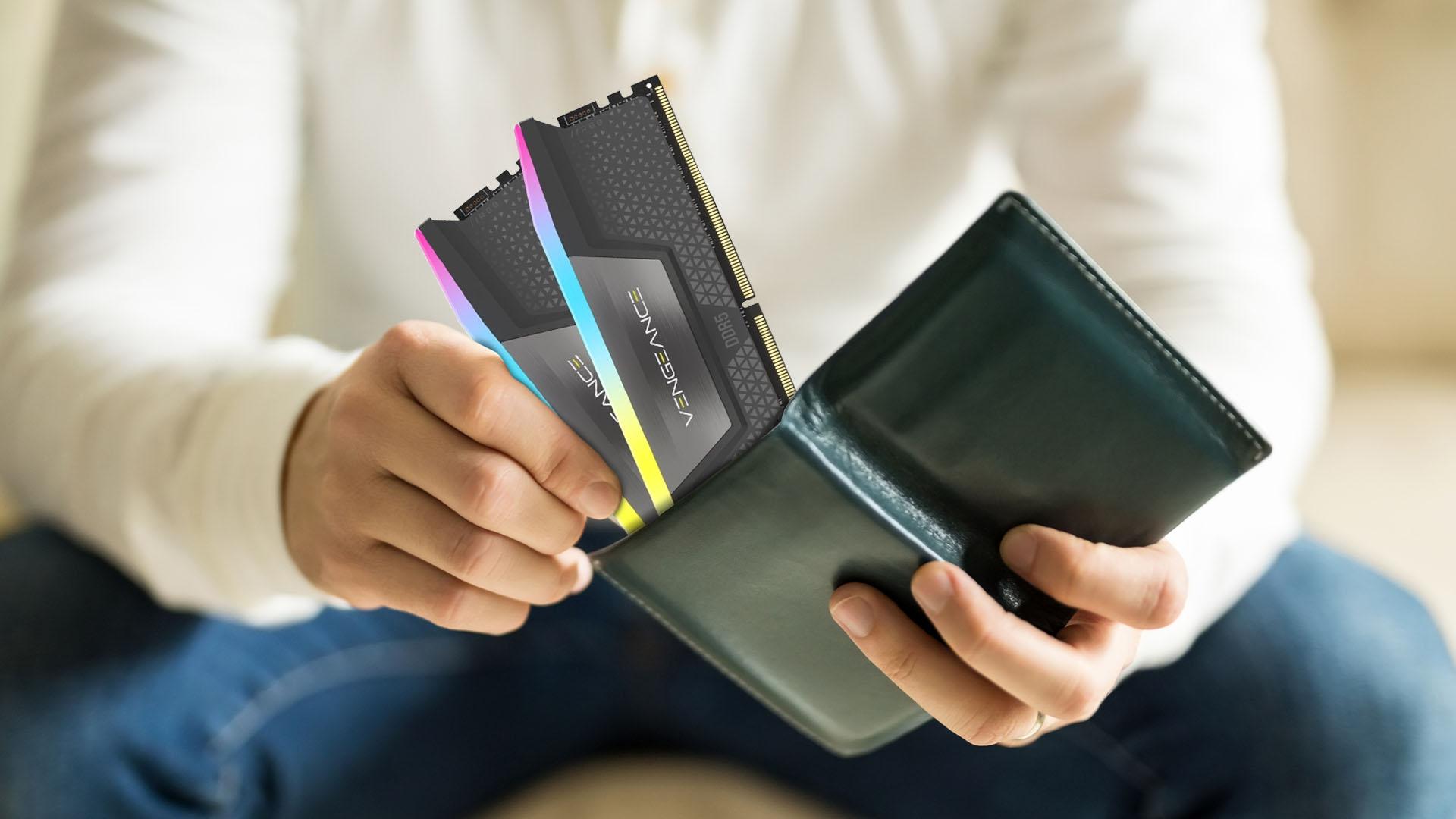
The current DDR5 RAM price rises are alarming. In just a handful of weeks, prices have more than tripled for PC RAM upgrades, raising the cost of 32GB DDR5 kits from under $100 to well over $300. It's scary stuff and is having big impacts across the industry, with graphics card prices, laptop prices, and more all expected to rise in the new year. This is causing many buyers to panic and either pay these inflated prices now, in case they rise more, or look at alternative solutions such as investing in an older DDR4-based PC. However, what most of us should instead do is exercise a bit of patience.
Yes, it's only been a few weeks since I wrote about rising RAM prices and how some of the early Black Friday deals were a great opportunity to grab the best gaming RAM at what even then were already inflated prices. However, since then, prices have gone up further, and the only sensible way to react to price rise graphs like the one below is to wait for the inevitable price correction.

This isn't just a sentiment I feel, but is one shared by several people I've spoken to in the industry and one that has just been stated publicly by a key figure in the graphics card world, Edward Crisler. As PR Manager for graphics card manufacturer Sapphire, Crisler may not quite be as far ahead of the curve as the CEO of Micron (the chip maker that just canned its Crucial PC RAM brand), but his finger is certainly on the pulse of the graphics card market and, in an interview with tech YouTube channel Hardware Unboxed, he revealed his advice for PC gamers: "Put your money away. Relax."
In a wide-ranging interview, he talks at length about the overall situation for graphics card makers and PC gamers alike, and how the industry certainly is going to have several months of disruption, but that the market will settle down sooner rather than later, saying "I don't think the real pain that we're suffering now, and for the next six months or so, is going to last much longer than that."
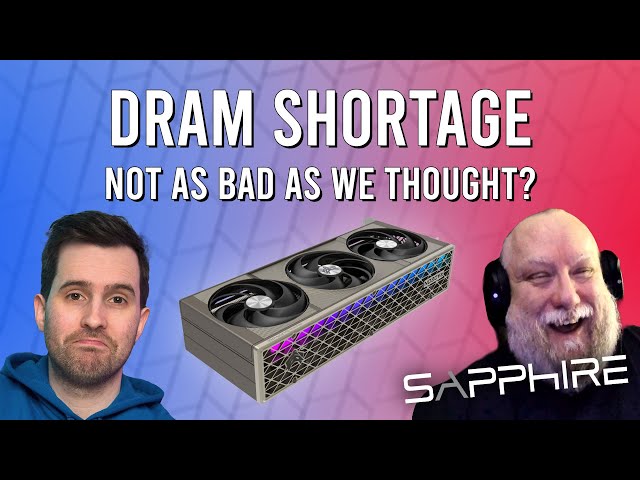
He goes on to talk about the fact that the problem right now isn't just about AI data centers buying up all the DRAM supply, but that this is causing panic buying and uncertainty in the industry. Bringing up the US tariffs at the start of the year, he points out that "it wasn't the tariffs themselves that created the mess, it was the uncertainty."
It's this uncertainty that Crisler suggests will calm down soon. "I truly believe that in the next six to eight months we're going to see the market begin to stabilize. It may not be at the prices we'd like, but the uncertainty is going to disappear."
That part about the prices not being what we'd like is, of course, a concern, but there's a very big difference between the rock bottom DDR5 prices we've been enjoying for a year or two and the astronomical ones we're seeing now. If a 32GB kit settles down to being, say, $175 by the middle of next year, it's a lot better to wait for that than pay $350 now.
Crucially, the problem at the moment is that DDR5 prices are sky high and DDR4 prices have gone up. That's why I also wouldn't recommend anyone consider building or upgrading to a DDR4 system right now, in lieu of building a DDR5 system. DDR4 is deprecated in terms of modern CPU and motherboard support, and while you'll be able to put together a relatively cheap system - especially if you shop around for a secondhand motherboard - you'll still be paying more than you would have just a few weeks ago for a system that has very limited future upgrade options.
Instead, unless your RAM or old PC has died and you absolutely need a replacement, I'd recommend just waiting. As Crisler points out, the PC gaming upgrade cycle isn't what it once was. Twenty years ago, you felt completely left behind if you didn't upgrade every six months to a year, but these days, even four-year-old hardware is ample for playing most games.
For instance, even though we currently recommend opting for 32GB of DDR5, if your system has 16GB of RAM, it's still going to be enough to run any modern game. You might have to make sure you close a few more background apps to eliminate any performance dips, but that's a compromise we'd accept in the face of spending $350 for an upgrade that you likely won't notice 99% of the time. After all, RAM largely doesn't make your system faster as such. Having enough, and having it be fast enough, just ensures it's not a bottleneck for your CPU and GPU.
I know it can be difficult to simply wait patiently and not get tempted to fall for the panic, but unless there's a specific game or situation that you know is being held back by a RAM upgrade, you're best off just sitting this one out, or at least looking at the many upgrades that are still affordable. Thankfully, gaming mice, keyboards, headsets, cases, coolers, mouse pads, and more don't need DRAM and are still plenty affordable right now.

 English
 Arabic
 French
 Spanish
 Portuguese
 Deutsch
 Turkish
 Dutch
Dutch
 Italiano
 Russian
 Portuguese (Brazil)
 Greek
Greek