


Andy Dean Photography/Shutterstock
The kitchen, usually a household's most dynamic room, provides an incisive cross-sectional view of how daily habits are changing. Consequently, kitchen fads are a good way to see what's in and what's on its way out. The last few years have seen a few ups and downs. In 2025, people have started to gravitate towards the familiar. For many, it has been a year of appreciating classics and getting back to the basics because of rising costs and a certain nostalgia for simpler times, a phenomenon that can be seen in the somewhat weird comeback of depression era foods. However, the march forward continues, with AI, new information, and novel fads shaping our lives, and much of it can be seen in our relationship with food.
People are increasingly conscious of what they eat, partly because of all the information we now have on our foods, and also because groceries as well as dining out have become more expensive. Thus, you can expect our food in 2026 to have a higher focus on functional ingredients. Individuals are looking for more value, not just from their meals but also from their household appliances and living spaces. Kitchens are being used more, with the sharp rise in remote jobs also contributing to the uptick. This has pushed out many impractical fads that look good on paper (and in pictures) but don't benefit or streamline day-to-day kitchen tasks. Aesthetics have also settled in a comfortable, more relatable space between minimalism and maximalism. Trends tend to be cyclical, so we could see them re-emerge at some point, but for now, these are the kitchen fads that are going to fade away in 2026.
Impractical kitchen islands
Glasshouse Images/Getty Images
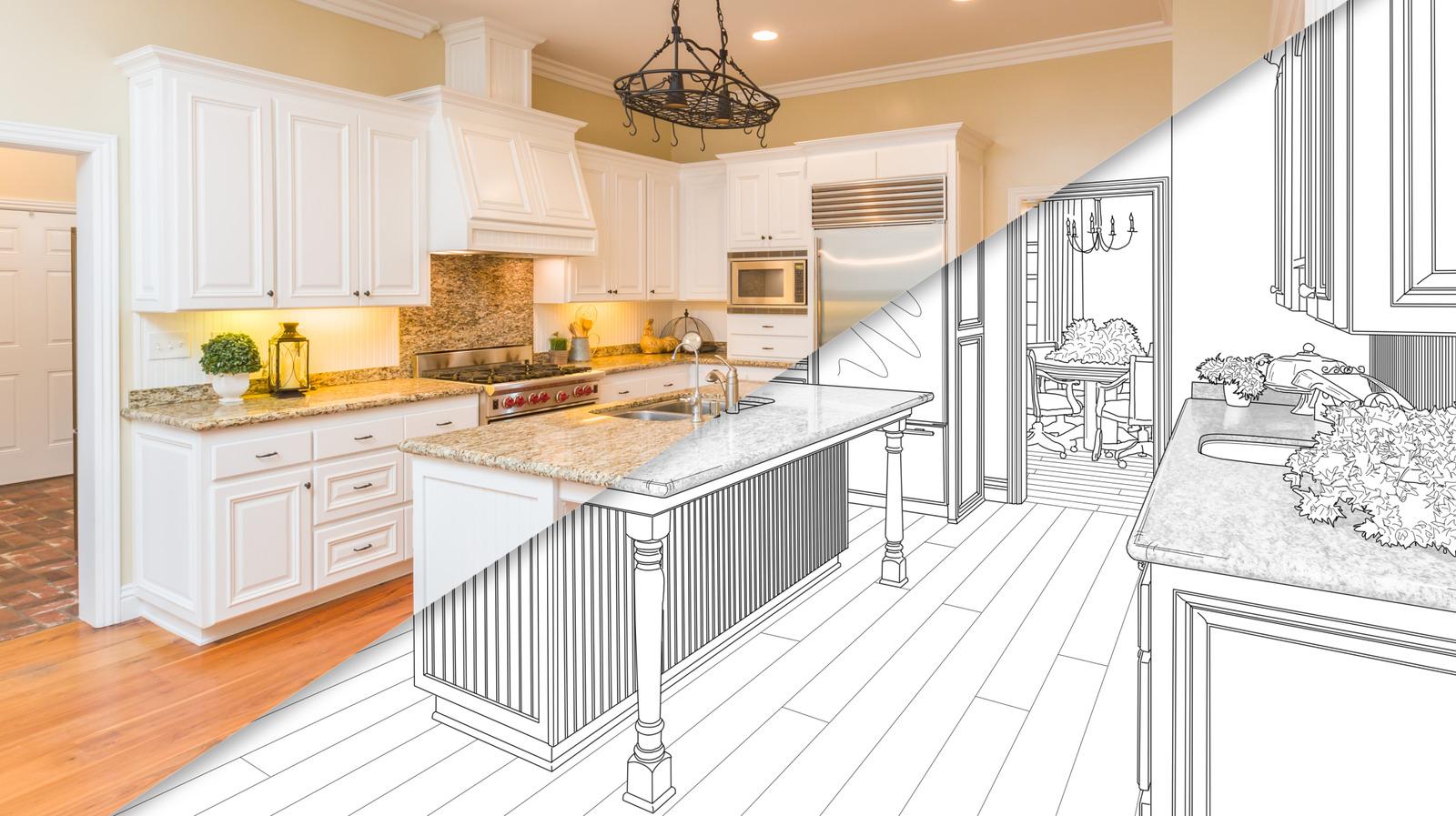
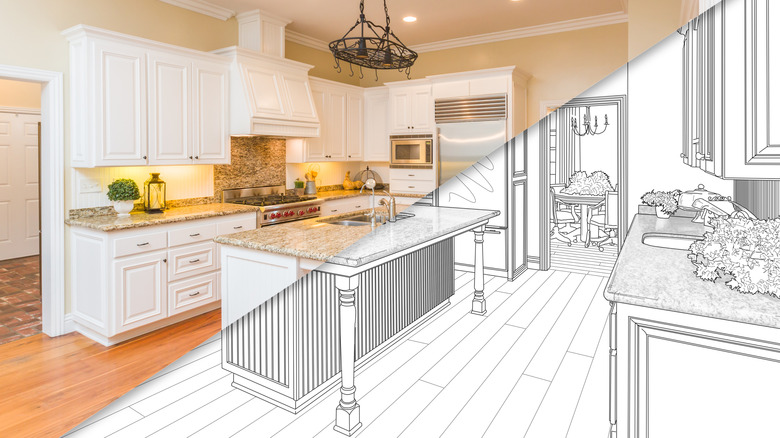
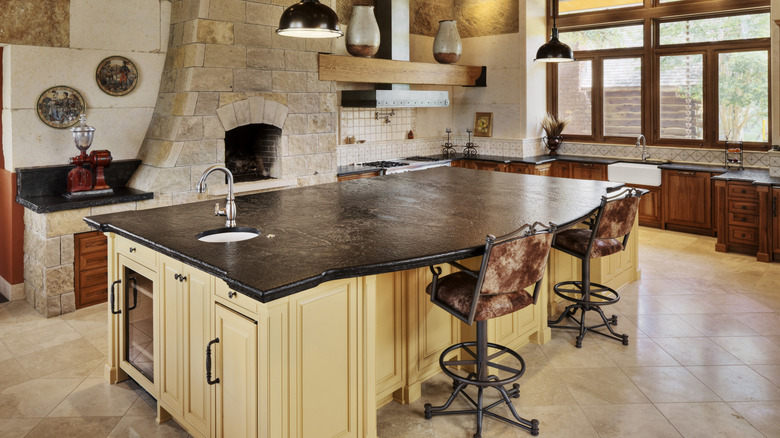
Kitchen islands tend to be the defining feature of a kitchen. They are meant to be both functional and aesthetic, but the latter quality sometimes overpowers the former. Not all kitchens need an island, especially those that have limited floor space to begin with. Even if one can be accommodated, it may not necessarily improve a kitchen's workflow, and the additional storage and counterspace may not be worth the sacrificed open floor space. For a while, the trend was to have huge, sweeping kitchen islands topped with patterned marble or granite. However, with people increasingly cooking at home, there is a need for kitchens to get more efficient; having to repeatedly circle a blocky island to get to the other side doesn't add much value, no matter how good it may look.
However, this doesn't mean the kitchen islands themselves are on the way out. Used correctly, they become a focal point for people to gather. Those looking to give their kitchens a cozier feel will still benefit from small kitchen islands, while multi-functional kitchen islands that divide a space and segregate kitchen and living spaces in an open-plan layout will also continue to be a popular choice.
Large, single-purpose and (overly) smart appliances
Remberto Nieves/Shutterstock
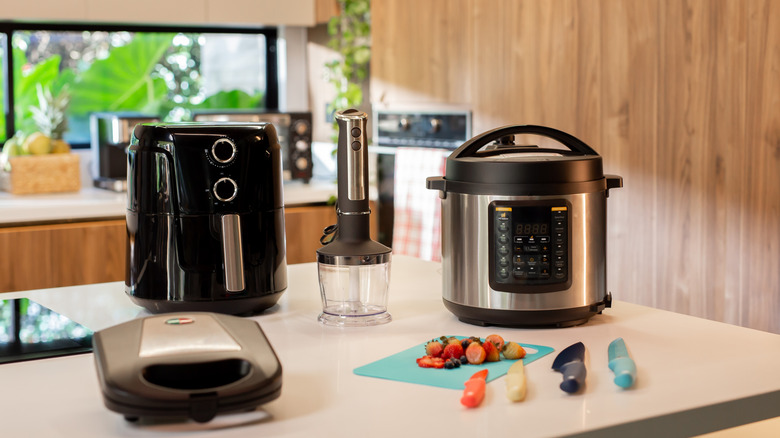
Kitchen appliances are also having a moment, with the novelty of making every appliance "smart" starting to wear thin. Innovation, when genuinely needed, is still appreciated. However, most people don't actually need a screen on their range hood to stream Netflix on. (We're looking at the now-discontinued GE Kitchen Hub.) Instead, what people are looking for in traditional appliances is useful multifunctionality. If your smart oven can also grill and air fry decently well, then it's earned its place in the kitchen.
Demanding more from appliances is a symptom of our expanding culinary horizons. With global cuisines becoming increasingly accessible, people now want to try making them at home. A blender that can handle sauces, chutneys, and chunky salsa is the way forward; those once-popular soda makers — probably not.
It's worth noting, however, that kitchen appliances are also a way for people to express themselves, so hyper-specific items like high-end home espresso machines or pizza ovens are not going anywhere. Plus, expect to see appliances in more fun colors as individuals start to personalize their kitchen space more expressively.
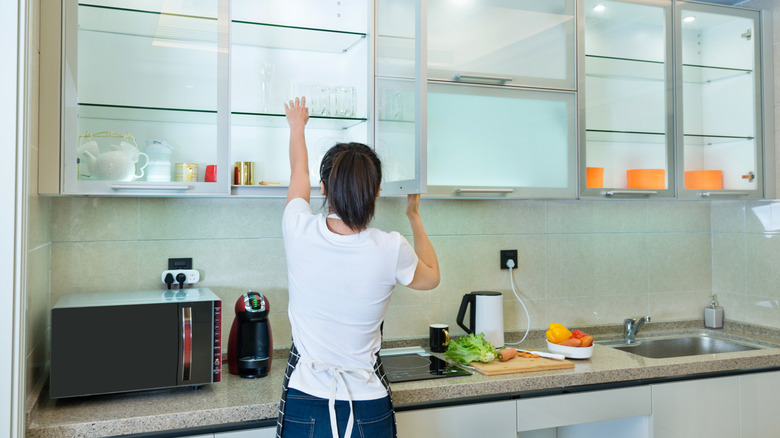
Everything-on-display kitchen cabinets
Baona/Getty Images
Pulling off vintage and rustic aesthetics can be complicated. Go too hard, and you compromise significantly on usefulness. Open shelving and glass-fronted cabinets, though very in style, suffer from similar flaws. To have your crockery constantly on display means having to maintain a collection of crockery that's worth displaying. No one wants to eat a quick weeknight dinner on their fanciest plates and then have to wash and put them back up on display to boot. Open shelving has the additional flaw of not protecting what's stored on it. While rustic chic wooden shelves may look straight out of a Tuscan vineyard, in reality, they very quickly accumulate dust and grease, making them quite impractical. Furthermore, the modern farmhouse aesthetic, which often uses open shelving, is also going out of vogue.
Like the kitchen island, wall shelving is also falling to practicality. Going forward, expect to see more shelves that are a mix of partially open or glass-fronted for display, but have a higher proportion of closed shelving for useful storage.
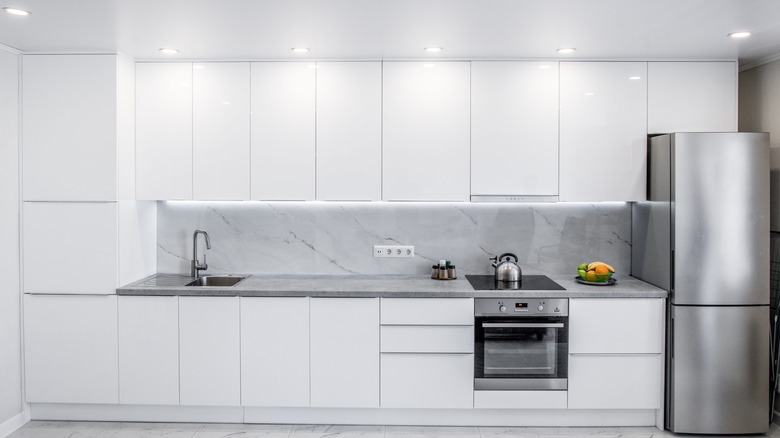
Monochrome kitchen color themes
Kuznetsov Dmitriy/Shutterstock
One of the most popular kitchen monochrome themes, the all white kitchen, was popular for years but is now on its way out. In addition to feeling stark and somewhat impersonal, it also tends to be high-maintenance. A monochrome kitchen, whether using shades of white or any other color, is generally quite a task to put together. Plus, it's difficult to add new elements since everything needs to match the kitchen's narrow color palette. The growing preference for more expressive, warmer-feeling cooking spaces that are focused on efficiency means that people are mixing and matching colors and themes. Sure, you still won't see the bright pops of bright color that were popular in kitchens from the 1960s, but you're now equally unlikely to see a new kitchen that's awash with a single hue.
Two trends closely related to monochrome kitchens are inbuilt appliances and the industrial aesthetic. The former (encasing appliances within kitchen cabinetry) was crucial for a consistent look throughout. The latter, with its large surfaces of concrete gray and brushed stainless steel, is also a look that's too cold and has stopped appealing to many people.
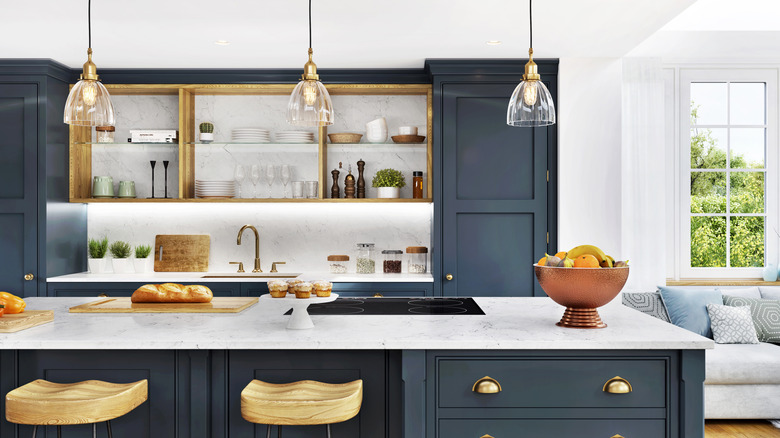
Picture perfect, underutilised kitchens
Sl-f/Getty Images
People are cooking more for multiple reasons — rising costs, conscious eating, and easier access to cuisines and recipes to suit every diet and budget. From gut-friendly to mood-boosting foods, there is also a growing focus on healthy ingredients in general and natural ingredients in particular. People also want to know what's in their food, looking for more transparency in what they consume. As a result, home-cooked meals are on the rise.
In addition to spending more on groceries, there is also a growing trend of buying local ingredients and cooking traditional cuisines and recipes. With more fresh produce to store and use, kitchens are invariably going to shift from their clean-cut, pristine appearance to that of a well-used, functional space. In the same vein, expect the food being made in these kitchens to be more grounded in non-processed or less processed ingredients. Come 2026, flashy, Instagram-only dishes like those questionable high-low pairings and expensive processed meals are just some of the food trends that will be left behind in 2025.

 English
 Arabic
 French
 Spanish
 Portuguese
 Turkish
 Dutch
Dutch
 Italiano
 Russian
 Romaian
 Portuguese (Brazil)
 Greek
Greek