


ViDI Studio/Shutterstock
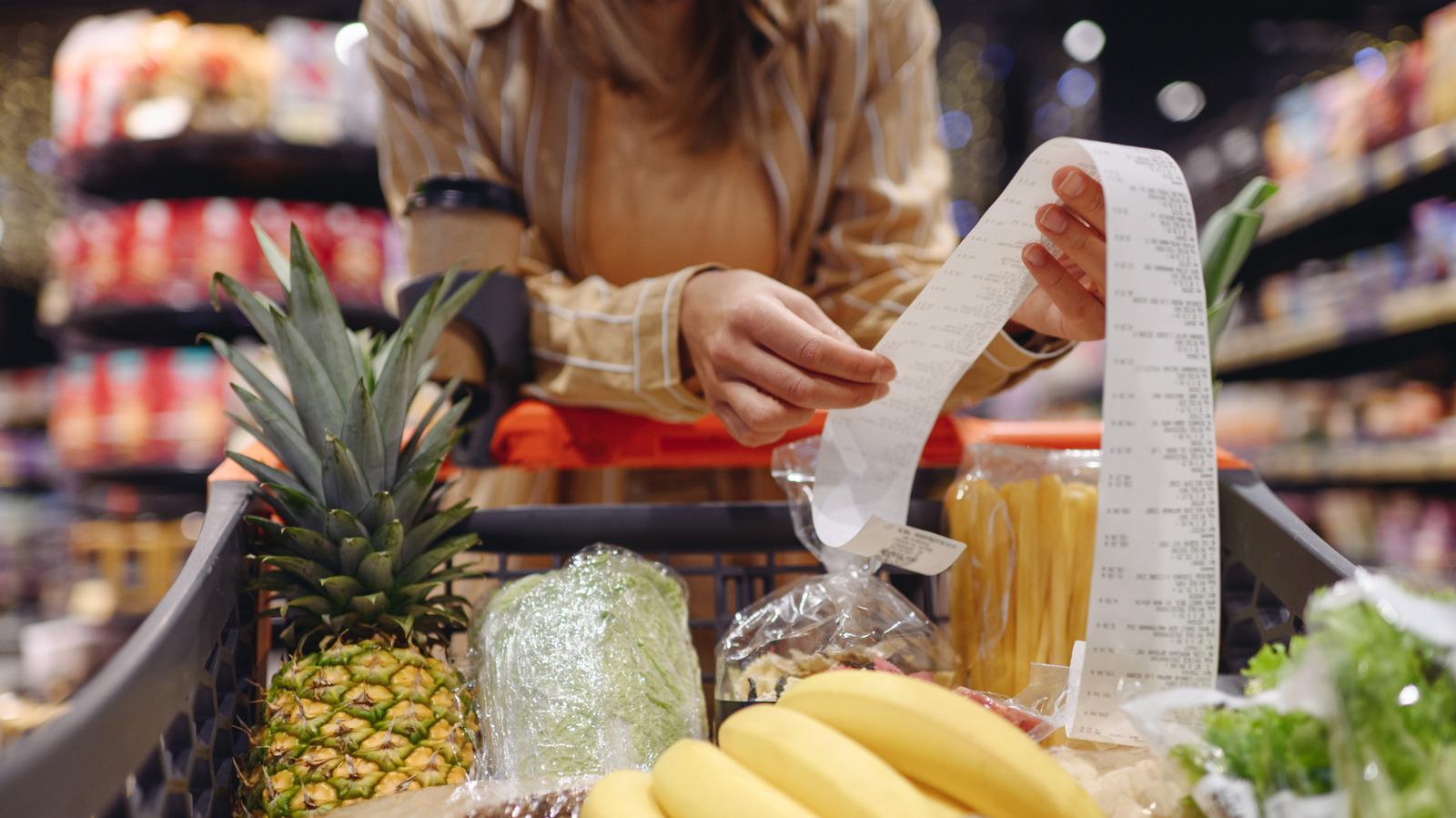
The grocery landscape in the U.S. has been going through a lot of changes for decades now, and 2026 is shaping up to be another year of big growth for various grocery store chains. After years of shifting consumer habits, supply chain innovations, and rising competition among national and regional chains, the industry is entering a new era defined by aggressive expansion, tech-driven convenience, and changing expectations around value and quality. Shoppers are not just looking for the closest store anymore; in today's economy, they are seeking retailers that offer efficiency, affordability, and a curated mix of products tailored to their lifestyle.
At the same time, grocery chains are adapting faster than ever to meet demand. Some companies are doubling down on new store openings, while others are refining their identities, modernizing stores, or reinventing their private-label brands to keep up with evolving food trends. Whether it is a major warehouse club expanding into new territories or a once-small specialty market finally gaining national traction, these retailers are shaping what your weekly grocery run will look like over the next year.
By 2026, many Americans will find themselves surrounded by new or rapidly growing chains that feel entirely different from the supermarkets they knew a decade ago. These 11 brands, each rising for its own reasons, are set to define the future of grocery shopping, and chances are, you'll be seeing a lot more of them very soon.
Whole Foods Market
Hapabapa/Getty Images
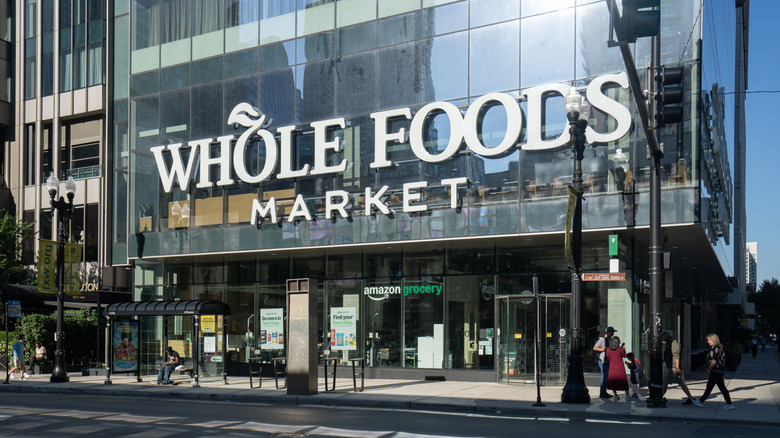
Whole Foods Market has spent years cultivating its reputation as America's premier destination for high-quality and affordable produce, responsibly sourced meats, and organic food options, but 2026 is shaping up to be its most expansion-heavy era in nearly a decade. Despite premium price tags and rising competition, Whole Foods continues to grow, driven largely by a consumer shift toward healthier lifestyles and ingredient transparency. What once felt like a niche natural-foods grocer has become a household name, and Amazon's continued investment in physical retail has only amplified that visibility.
In 2025, Whole Foods announced new locations across multiple states, signaling that its momentum is nowhere near slowing down. These openings are strategic, and many are positioned in busy cities and suburban communities that have seen population spikes and increasing demand for specialty grocers. As younger families increasingly seek healthier options, Whole Foods is filling an increasingly mainstream need.
By 2026, shoppers nationwide will likely see Whole Foods in markets that never had access to it before. The brand is doubling down on prepared foods, local vendor partnerships, and updated store layouts designed to streamline the shopping experience. Combined with Amazon's tech integrations and career infrastructure, Whole Foods is positioning itself as both a destination for healthy food lovers and a practical everyday grocery choice. Its rising popularity and new locations indicate the clear trend that the health-conscious grocery market is not slowing down, and Whole Foods plans to lead the charge.
Aldi
Stefania Pelfini La Waziya/Getty Images
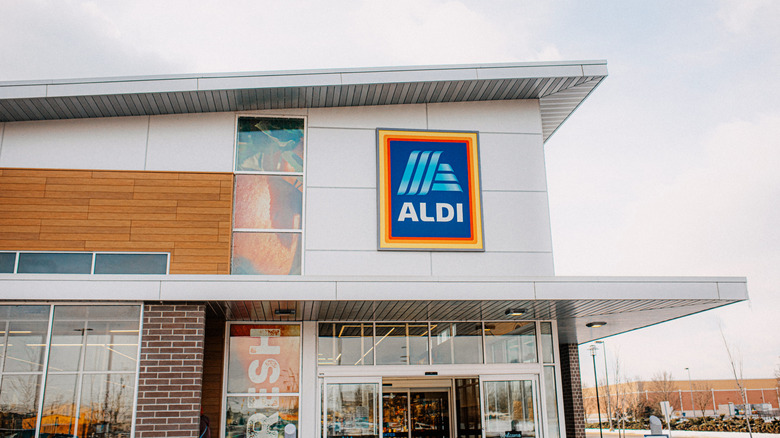
Aldi has already transformed the U.S. grocery landscape with its minimalist stores, ultra-low prices, and expanding private-label assortment, but 2026 is set to be one of its biggest years ever. The chain is undergoing a major rebrand of its exclusive products, and shoppers will soon see updated packaging on some of their favorite buys. This updated look gives Aldi's shelves a more modern, premium feel without sacrificing the rock-bottom pricing that keeps shoppers loyal.
Beyond branding, Aldi is also accelerating its rapid expansion strategy. With dozens of new stores slated to open across multiple states, the grocer is pushing into both dense metro areas and underserved suburban pockets. Its small-format stores make it easier to enter communities where larger warehouse grocer chains such as Costco or Sam's Club struggle to fit, allowing Aldi to strengthen its presence in regions where competition remains limited.
Aldi's appeal stretches beyond affordability. Its streamlined shopping experience fits with retirees seeking efficiency, budget-conscious families looking to stretch every dollar, and young adults who value simplicity over endless aisles. With inflation still impacting food budgets heading into 2026, Aldi's growth is almost guaranteed. The retailer has mastered the art of doing more with less, and its quiet but unstoppable expansion suggests that its market share will increase significantly next year. Expect Aldi to appear in new cities, revamped plazas, and high-traffic suburban hubs as it aims to become one of America's most popular and affordable grocery destinations.
Publix
Michael Berlfein/Shutterstock
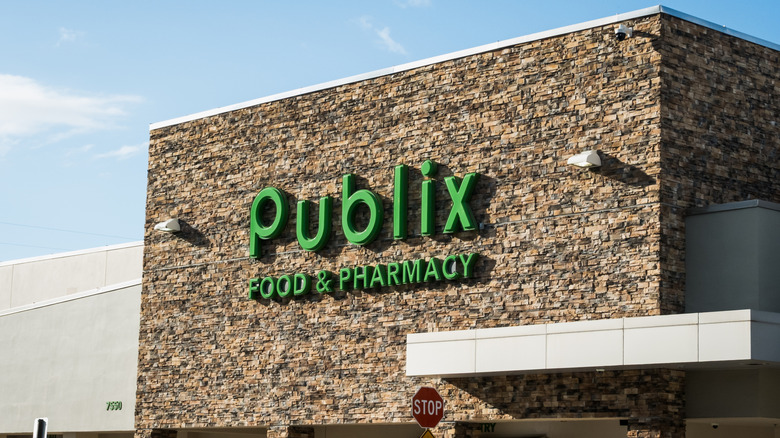
Publix is no longer just Florida's beloved regional gem; it has become a regional heavy hitter with a loyal following that continues to grow. In recent years, the company has opened new stores in states previously untouched by the brand, and the reception has been overwhelmingly enthusiastic as shoppers fall in love with its signature customer service, fresh deli, and famously delicious subs.
What makes Publix's growth especially impressive is its ability to maintain quality and customer love even as it spreads far beyond its home turf. The chain continues to emphasize employee ownership, store cleanliness, and community involvement, which are values that resonate with shoppers regardless of region. Publix does not rely on flashy marketing or aggressive discounting; instead, it wins over shoppers through reliability and exceptional in-store experiences.
Publix plans to continue opening stores at a steady pace, inching farther into new territories and strengthening its presence in its core regions, which will help the grocery chain grow in 2026. The company understands the growing demand for full-service, customer-focused grocery environments, especially in suburban communities where families want both convenience and quality. As more shoppers discover Publix's unique blend of service and selection, its footprint will only expand. For many Americans, 2026 may be the first time they see a Publix in their own neighborhood, and once they shop there, it is likely they will become loyal regulars.
Trader Joe's
Erik Gonzalez Garcia/Getty Images
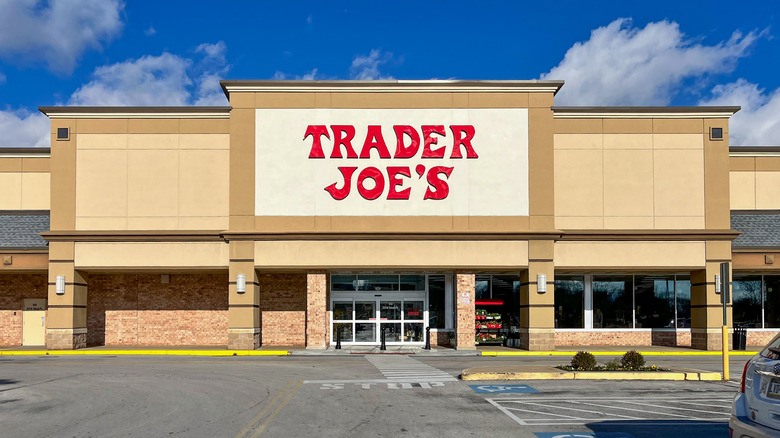
Trader Joe's has always approached grocery retail differently, with fewer aisles, quirky packaging, and an inventory built almost entirely around private-label goods. But that unique formula is exactly what keeps the chain's popularity soaring, and 2026 may be poised to be a huge year for expansion if the massive growth the company had from 2025 continues through the new year. Trader Joe's has added multiple new stores to its "coming soon" roster, signaling consistent nationwide growth and continued demand for its one-of-a-kind shopping experience.
The chain's popularity hinges on its balance between healthy offerings and indulgent seasonal items that constantly go viral. As younger shoppers embrace plant-based foods, international flavors, and convenient meal shortcuts, Trader Joe's innovation pipeline keeps meeting those desires. Its curated selection avoids the overwhelming feel of larger supermarkets, which is especially appealing to time-crunched professionals after a long day at work and busy shoppers.
What makes Trader Joe's future growth particularly notable is its ability to thrive without traditional advertising. Its main source of advertising, besides its newspaper called the Fearless Flyer, is word-of-mouth, social media buzz, and the cult-favorite products, which have built a loyal customer base that eagerly awaits new locations. In late 2025, the chain is expected to expand into new locations in 18 states where demand has been high for years. With its commitment to affordability, innovative products, and ever-changing new releases, Trader Joe's will be an even more visible presence in the grocery world next year, and shoppers could not be more excited.
Lidl
Magdalena Wygralak/Getty Images
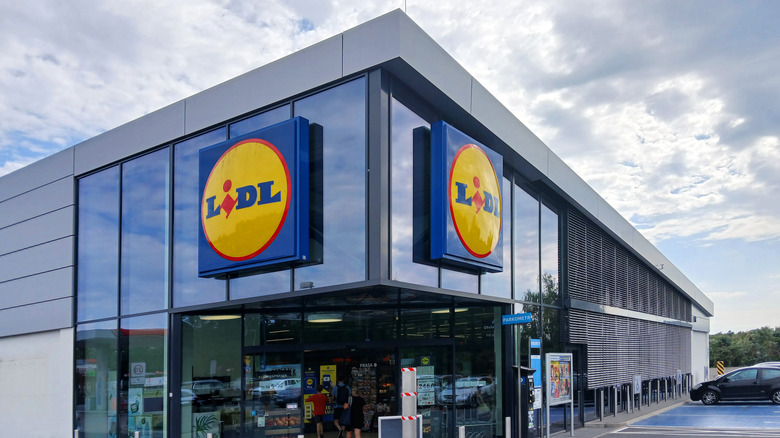
Lidl entered the U.S. with ambitious plans, and while its early rollout faced challenges, its 2026 trajectory suggests brighter days ahead. The German grocer has been refining its U.S. strategy, adjusting store formats, rethinking product assortments, and implementing an updated branding approach that better aligns with American shoppers' expectations.
Shoppers praise Lidl for its low-cost yet high-quality products, many of which mirror the ingredients found in Whole Foods or Trader Joe's but at more budget-friendly prices. Its in-house bakery, fresh produce selection, and European-inspired private labels have gained traction among consumers seeking healthier and more global options without breaking the bank. Lidl's rotating "Midl of Lidl" deals, featuring everything from home goods to seasonal treats, create a treasure-hunt feeling that keeps shoppers coming back.
As Lidl sharpens its U.S. operations, it is opening more stores in strategic clusters, especially in regions where it already has strong brand awareness. By gradually growing its footprint, Lidl is better positioned to compete with giants like Aldi, Walmart, and Kroger. It's not unreasonable to expect Lidl to become a far more familiar name in 2026, especially along the East Coast, where demand for affordable, health-oriented groceries continues to climb.
Sam's Club
RaisaMacouzet/Shutterstock
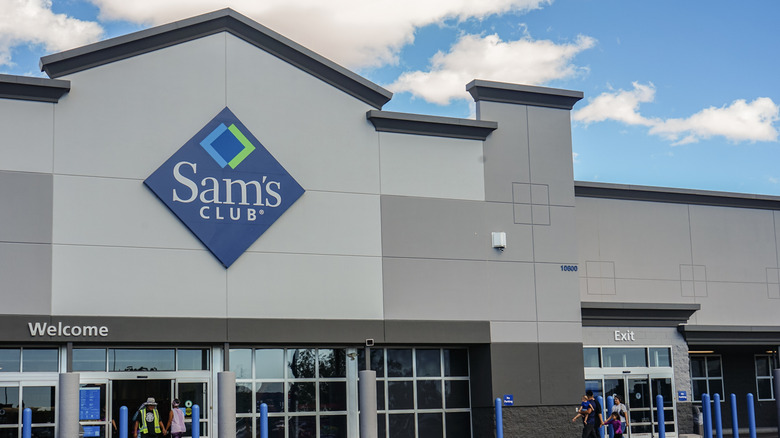
Sam's Club has long lived in the shadow of its larger rival Costco, but 2026 may be the year it steps into its own spotlight. The warehouse retailer has announced plans to open around 15 new locations yearly, signaling a bold expansion push. Unlike Costco, which often relies on long lines and limited checkout options, Sam's Club has become an innovation leader, offering shoppers conveniences like Scan & Go checkout and delivery services that make warehouse shopping feel easier and faster.
Consumers have increasingly praised the chain for its curbside pickup, combo pizza options, and better app layout. Many shoppers note that Sam's Club excels in categories where Costco struggles, such as checkout wait times, more self-service options, and cheaper gas prices. These small but meaningful differences have allowed Sam's Club to win loyalty from shoppers who want the bulk-store experience with fewer inconveniences.
Heading into 2026, Sam's Club plans to capitalize on its momentum by opening more clubs in growing suburban areas, such as Dallas-Fort Worth, Texas, where families are looking to stretch their budgets. Some of the ways that Sam's Club is arguably better than Costco include its commitment to refining its private brands, such as Member's Mark, and enhancing in-store technology, like Scan & Go, to reduce friction throughout the shopping process. As more consumers discover the advantages Sam's Club offers, particularly in the battle of warehouse convenience, the chain is set to become a far more dominant player nationwide.
Kroger
Brandon Bell/Getty Images
2025 was a turbulent year for Kroger, with closures and restructuring efforts making headlines. However, the grocer is entering 2026 with renewed energy, ambitious expansion plans, and a commitment to modernizing its operations. Kroger has announced over 30 new store openings in the pipeline, laying the foundation for one of its busiest growth periods in recent years.
A major highlight of Kroger's 2026 strategy is the rollout of its long-awaited robotic distribution center. These highly automated facilities are designed to streamline order fulfillment, enhance delivery speed, and reduce operational costs. By integrating robotics into its supply chain, Kroger aims to strengthen its competitive edge against online retail giants and ultra-efficient warehouse clubs.
Even beyond logistics, Kroger is investing heavily in enhancing the in-store shopping experience. Updated layouts, expanded merchandise and products, and drive-thru pharmacy options are being introduced to cater to shifting consumer lifestyles. Shoppers want convenience without sacrificing quality, and Kroger is positioning itself to deliver exactly that. The grocer remains a staple for millions of Americans, and its determination to rebound from the challenges of 2025 suggests a strong comeback next year. With new stores, new technology, and a renewed focus on innovation, Kroger is gearing up for a major presence boost in 2026 that shoppers will definitely notice, whether in refreshed local stores or entirely new locations.
Sprouts Farmers Market
Kevin Carter/Getty Images
Sprouts Farmers Market has become one of the country's favorite destinations for organic, natural, and wellness-focused foods, and its recent surge in openings suggests that its popularity is only just beginning. Several new stores launched in summer 2025 helped Sprouts reach thousands of new shoppers, and those communities have quickly embraced the chain's carefully curated assortments.
Sprouts thrives by occupying a niche between Whole Foods and more mainstream supermarkets, such as Walmart. It offers a strong mix of organic produce, dietary-specific products — including keto, gluten-free, and vegan options — and bulk foods, but without overwhelming shoppers with massive store layouts. Its approachable layout and health-oriented selection make it ideal for consumers who want better food without the intimidation of upscale specialty markets.
Looking toward 2026, if its success from 2025 continues, Sprouts will likely continue opening new stores in fast-growing regions and may look to suburban neighborhoods where health-conscious families are settling. The brand's emphasis on education and transparency, from clear labeling to nutritional support, strengthens its credibility in the wellness space. As more consumers prioritize mindful eating, Sprouts' blend of accessibility and quality positions it for a strong national presence in the eyes of grocery shoppers.
Costco

Jack Hong/Shutterstock
Costco's loyal customer base has always been one of its biggest strengths, but its upcoming expansion plans will make it even more visible throughout 2026. The chain has announced over 35 warehouse openings planned for 2026, signaling one of its most aggressive growth pushes in recent memory. Combined with new checkout upgrades and exclusive membership perks, such as early hours, Costco is poised to dominate both physical and online grocery markets.
Shoppers continue to gravitate toward Costco for its exceptional quality control, consistently fresh produce, and ultra-friendly return policy that arguably remains unmatched in the retail world. The company has carved out a unique identity as a place where shoppers trust the products, enjoy the bargains, and often discover new favorites they did not even originally plan to purchase. Its food court and Kirkland Signature staples have achieved almost cult-like status.
As inflation persists, Costco's bulk pricing model becomes even more appealing. Families, retirees, and small business owners rely on Costco to keep essential goods affordable. Its expansion into new locations and metro areas ensures that more communities gain access to these savings. With strong financials, a devoted shopper base, and a clear plan for nationwide growth, Costco is guaranteed to be one of the most visible grocery forces in 2026.
Save-A-Lot
Mahmoud Suhail/Shutterstock
Save-A-Lot is experiencing one of the most unexpected comebacks in the grocery industry. After a stalled rebrand under a different name, the company reversed course in 2025 and reopened 27 stores under the original Save-A-Lot banner across Indiana, Ohio, and Pennsylvania. This return to its roots proved to be a smart move, instantly reconnecting the brand with shoppers who value its deep-discount model.
The company is not just reviving old stores; it is modernizing them. Newly refreshed locations feature updated interiors, improved product assortments, and expanded fresh options, helping the chain compete more effectively with other discount grocers, such as Aldi and Lidl. Save-A-Lot also updated its mobile app and introduced a loyalty program designed to reward frequent shoppers with exclusive deals and digital coupons.
As we head into 2026, Save-A-Lot plans to build on this momentum by debuting additional remodels. Its low-price guarantee and compact format appeal particularly to shoppers who have tighter budgets or are looking to save more money. As inflation continues impacting food prices, Save-A-Lot's aggressive pricing strategy could fuel a major surge in popularity, making it one of the most widespread discount grocers next year.
Walmart
Bgwalker/Getty Images
Walmart remains the largest grocer in America, and its continued growth proves that dominance is far from fading. The company is expected to wrap up 2025 with several new store openings, and additional locations are planned for early 2026. Walmart's stock performance and consistent profits indicate strong consumer confidence heading into the next year.
Part of Walmart's ongoing success comes from its ability to adapt quickly. From remodeling stores to upgrading delivery systems, Walmart constantly refines the shopping experience. Its grocery section has improved significantly over the past decade, with fresher produce and better private-label products.
Walmart's continued investments in its local communities and with its customers ensure that more shoppers will rely on it as their primary grocery destination in 2026. With inflation still influencing household budgets, Walmart's consistent low prices and clearance make it a go-to solution for millions of families. Combined with its massive digital infrastructure, pickup convenience, and expanding delivery services, Walmart will continue to be one of America's most influential and consistent grocery forces.

 English
 Arabic
 Spanish
 Portuguese
 Deutsch
 Turkish
 Dutch
Dutch
 Italiano
 Russian
 Romaian
 Portuguese (Brazil)
 Greek
Greek