


Key Takeaways
- Protect poinsettias from extreme temperatures to prevent leaf drop and ensure plant health.
- Adequate watering involves ensuring drainage and maintaining soil moisture, avoiding both overwatering and drought stress.
- After the holidays, compost poinsettias to avoid stress over keeping them alive, and consider replacing them next year.
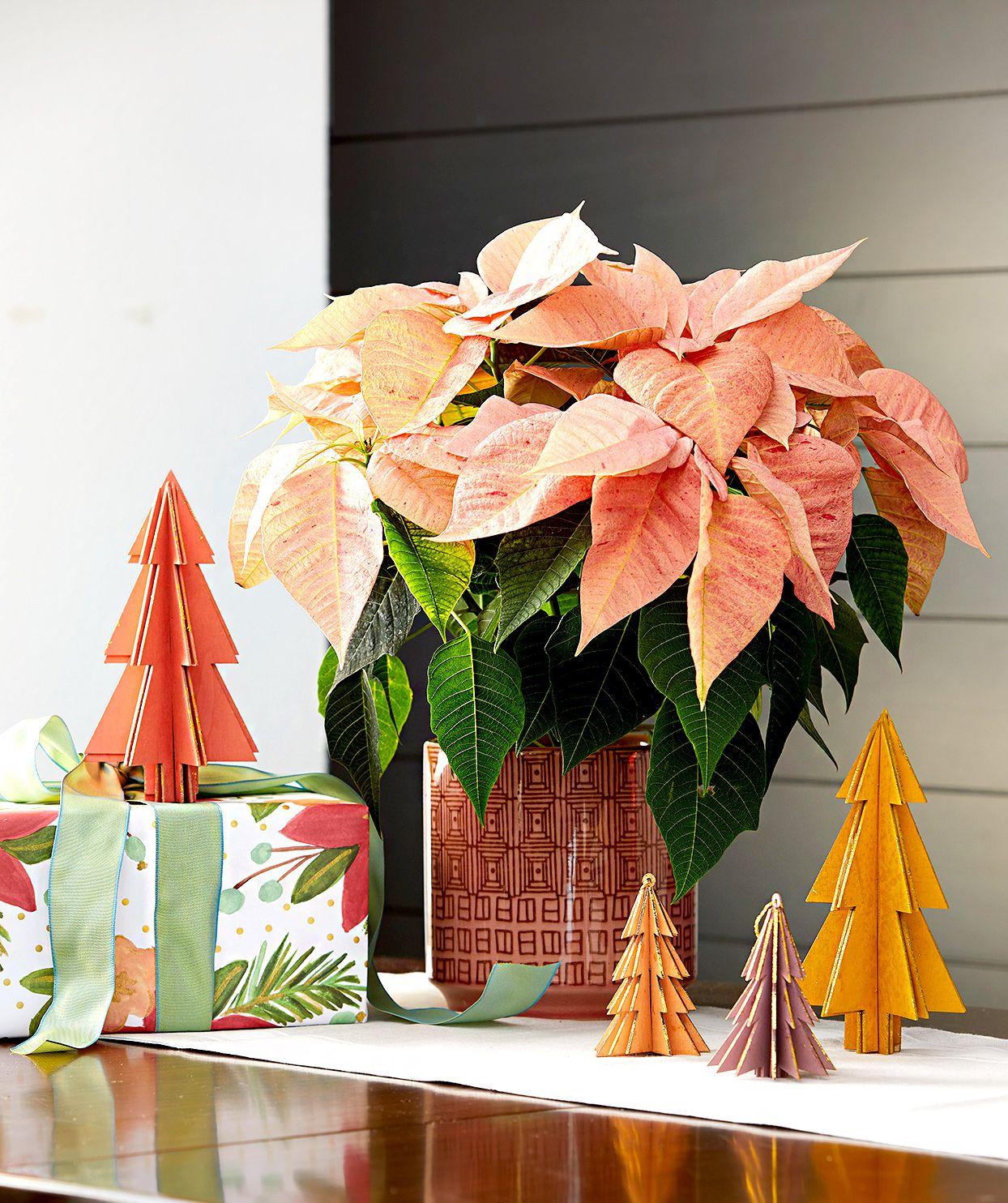
Poinsettias, often adorned with shiny foil, bring festive cheer with their striking red, creamy white, pink, or bicolor bracts—modified leaves mistaken for petals. In reality, the true flowers are the small green or yellow centers. While some poinsettias are spray-painted in vibrant blues or purples, natural ones tend to last longer and thrive with a little TLC. By avoiding common care mistakes like overwatering or placing them in overly warm spots, you can enjoy their colorful display into the New Year.
- Gary Vollmer is the poinsettia product manager for Selecta One.
- Harvey Lang, Ph.D. is the senior technical lead for Syngenta Flowers North America.
- Barbara Pierson is the nursery manager for White Flower Farm.
1. Exposure to the Freezing Cold
Poinsettias are delicate, tropical plants grown in greenhouses, their vibrant colors timed to arrive just in time for the holidays. You can buy them potted or in arrangements. However, when these pampered plants are moved from a warm store to cold outdoor weather, the temperature shock can make them drop leaves. To prevent this, cover your poinsettia with a bag or paper if it will be exposed to cold weather for more than a brief moment.
2. Keeping Your Plant in a Room That's Too Hot or Cold
Gary Vollmer, poinsettia product manager for Selecta One, explains that poinsettias prefer indoor temperatures between 55 and 75 degrees. While they can't survive cold outdoor temperatures, they do thrive in this indoor range. Keep your plant away from cold drafts, such as those near doors or windows, and away from heat sources like vents, radiators, and fireplaces.
3. Not Providing the Right Amount of Light
According to Vollmer, poinsettias need light to thrive indoors. Keep your poinsettia in a brightly lit location to help maintain its vibrancy. However, be careful about direct sunlight exposure, as it may cause the leaves to burn. Select a spot with bright, indirect light to keep your plant healthy and happy.
Related
4. Overwatering Your Poinsettia
Using pots without drainage holes force poinsettia roots to sit in excess water, which can lead to yellowing leaves, root rot, or even plant death. To prevent this, make sure your container has drainage holes. If it doesn't, consider transferring your plant to a pot that does. Harvey Lang, Ph.D., senior technical lead for Syngenta Flowers North America, suggests emptying any standing water from saucers or decorative pots. Another tip is to poke holes in the pot sleeve and use a waterproof saucer underneath to catch excess water and avoid tabletop damage.
5. Forgetting to Water
Letting your poinsettia dry out can be just as damaging as overwatering. To avoid this, water when the pot feels light or the soil is dry to the touch. Vollmer advises waiting until the plant feels top-heavy or when the soil dries out before watering it again, being careful to keep the soil moist but not soggy.
6. Fertilizing at the Wrong Time
Barbara Pierson, nursery manager for White Flower Farm, advises against fertilizing poinsettias when they're in bloom. Colors typically fade by February, but if you’re aiming to maintain its greenery or encourage reblooming, start fertilizing in May. Always follow the instructions on your fertilizer packaging.
7. Feeling Stressed About Keeping Poinsettias Alive After the Holidays
Poinsettias are grown in greenhouses with the right lighting, temperatures, and care so they'll look beautiful and tempting in stores, says Lang of Syngenta Flowers. That's why it's challenging to get your plant to bloom again. Save yourself the stress of trying to keep your poinsettia alive and compost your tired plant after the holidays. Then, treat yourself to a fresh poinsettia next year.
Frequently Asked Questions
-
Overwatering your poinsettias most commonly leads to root rot. This is usually caused by Pythium and Rhizoctonia, which are fungal pathogens that wilt the leaves, cause the roots to decay, and eventually kill the plant.
-
Whiteflies are the most common pest that might harm your poinsettias. However, mealybugs or gnats could also cause a problem.

 Arabic
 French
 Spanish
 Portuguese
 Deutsch
 Turkish
 Dutch
Dutch
 Italiano
 Russian
 Romaian
 Portuguese (Brazil)
 Greek
Greek