


Key Takeaways
- The roots of potted plants are susceptible to cold damage and need winter protection.
- Bury the pots in the ground, move them to an unheated garage or shed, or group them.
- When keeping plants in an unheated building, maintain a temperature between 20 and 45°F.
If winter weather arrived earlier than expected, or you just ran out of energy to get the last end-of-the-season-bargain plants in the ground this fall, all is not lost. Take steps now to protect the roots of trees, shrubs, and perennials that you didn’t get around to planting before the soil froze or snow fell.
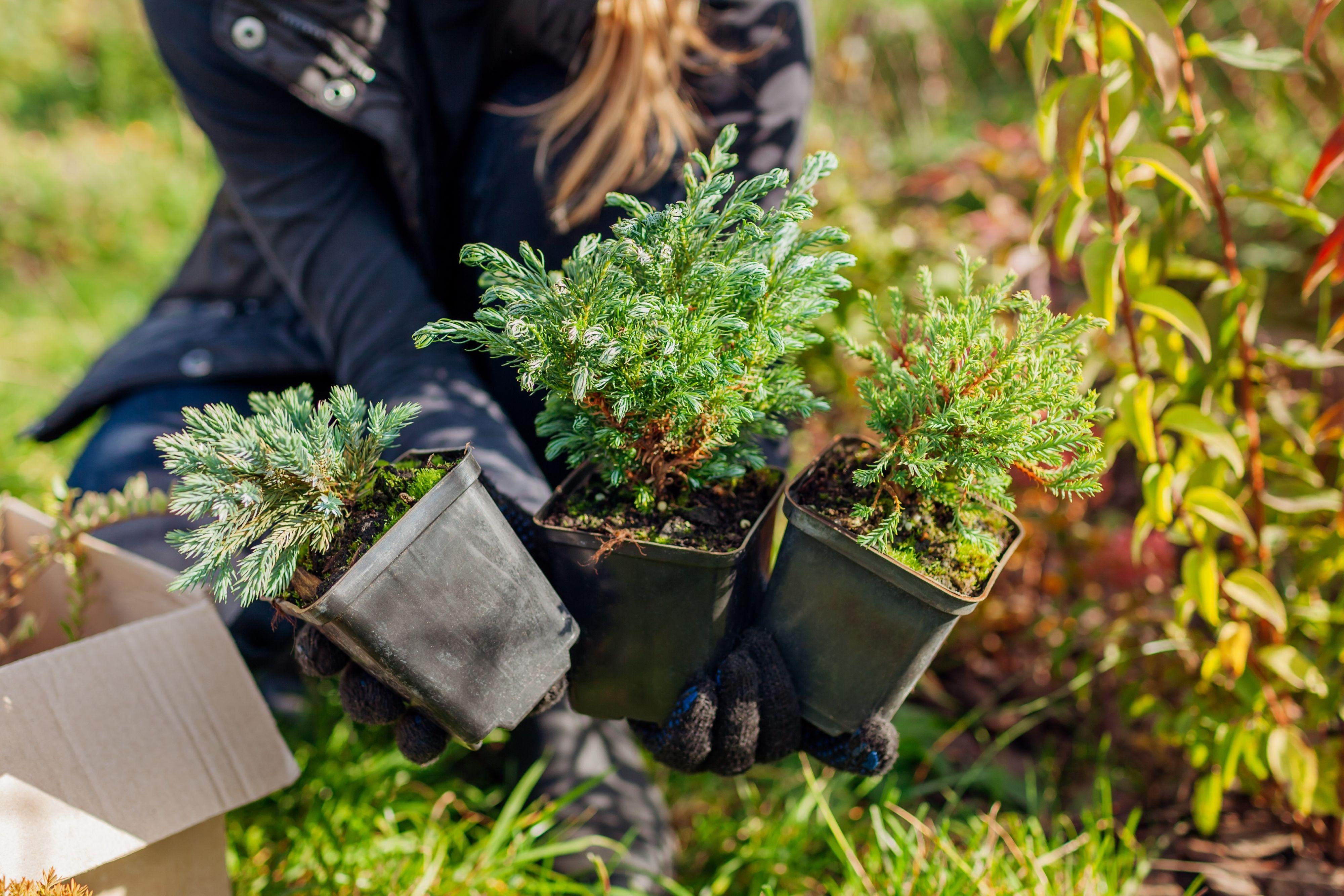
Potted plants, even if they are perfectly suited to your hardiness zone, are vulnerable to cold and critter damage. Here’s how to overwinter them so you can plant them in the garden next spring.
Why Containers Need Winter Protection
Overwintering plants in containers is all about insulating the roots and protecting the plants from getting eaten. The roots of hardy trees, shrubs, and perennials are the most susceptible to winter damage. While their aboveground parts, like woody stems, tolerate the cold, the root system relies on the insulating power of the surrounding soil.
The soil in a container provides almost no insulation for the plant’s root system. Because the soil volume in a container is so small, the temperature around the roots is often the same as the air temperature. To ensure potted plants survive the winter and can be planted next spring, it's key to insulate the root zone of containerized plants during winter.
During the winter, when food is scarce, a host of creatures such as voles, mice, rabbits, and deer pose a risk to the aboveground plant parts, including woody stems. This may warrant additional protection measures.
Related
Overwintering Methods for Potted Plants
The following methods for overwintering potted plants are all effective, but they vary by ease of installation, required space, and your microclimate. Regardless of the method you choose, it's not a good idea to start overwintering preparations too early. Allow the plants to naturally transition into dormancy before winterizing them. Deciduous trees and shrubs will shed most of their leaves, and the stems and leaves of perennials die back. Aim to move plants into their overwintering spot a few weeks after the first hard frost in fall.
Bury Pots
If you have available space in the landscape and the ground isn’t frozen, you can bury pots for overwintering. The dense soil surrounding the pots provides excellent insulation against cold temperatures, and you don’t have to worry about temperature fluctuations.
How to do it: Dig a trench as wide as the pot or pots you want to overwinter. If you have several pots, group them in a single trench. The depth of the trench should be equal to the height of the tallest pot. Position the containers in the trench side-by-side and backfill with soil.
Spread a 3- to 4-inch-thick layer of mulch over the exposed plant parts. Remove the mulch in early spring as soon as the coldest days are over. As it gets warmer in spring, lift the pots out of the ground.
Move to an Unheated Building
Another option is to overwinter plants in a garage, shed, or building where temperatures remain between 20 and 45°F all winter. It is critical that temperatures don't dip below 20°F for too long, or the plant roots will be damaged. If, on the other hand, temperatures rise above 45°F for more than a day or so, plants may emerge from dormancy and be susceptible to winter injury afterward.
Due to the lack of precipitation, plants may dry out, so make sure to maintain soil moisture by watering every two or three weeks if the temperature is above freezing.
How to do it: After the plants are dormant, move them into an unheated shed, garage, or basement. Check the temperature frequently, especially during extreme weather conditions, to make sure it remains between the critical temperature window of 20 and 45°F all winter. Take steps to adjust the temperature if needed, such as improving the insulation, especially around the door, or set up fans and temporarily open the door if it gets too warm inside. Check soil moisture every couple of weeks and water if the soil is dry.
Gather Containers in Protected Spot
Group plants together in a protected, aboveground outdoor location. To protect them against the cold, cover them with natural materials such as straw or a thermal blanket. This method is best for locations that don’t experience winter temperature extremes.
How to do it: Collect containers in a spot protected from drying winter winds and intense sunlight. Avoid the south or west side of a building where plants can heat up during a sunny afternoon. Cover the containers with a dense, thick layer of bark mulch, shredded leaves, evergreen boughs, or a thermal blanket. If rodents are a problem, encircle the plants with a chicken wire cylinder before covering them with mulch.
Tips for Overwintering Success
Whichever kinds of hardy plants you didn't get around to planting in fall, these general guidelines will help you overwinter them successfully.
- Water well. If the soil is not frozen, continue watering overwintering plants. Watering every 2 or 3 weeks is usually sufficient for dormant plants.
- Monitor the temperature. This is especially important if you are overwintering potted plants in an unheated building or a cluster of pots where the temperature can fluctuate. Aim for a stable temperature between 20 and 45°F.
- Mulch around buried pots. Add a 3-to-4-inch thick layer of organic mulch such as woodchips. This maintains a more stable soil temperature and prevents damage from freeze-thaw cycles.
- Protect plants against critters. Chicken wire, plastic tree tubes, tree wrap, and burlap are all useful in keeping animal pests at bay. Be mindful of the snowline—a thick layer of snow will give critters a lift, allowing them to gnaw higher up on a plant.
- Spring into action. As soon as extreme winter conditions subside in early spring, begin uncovering overwintered plants. Remove protective mulch, wraps, and soil over a period of days to allow plants to acclimate.

 English
 Arabic
 French
 Spanish
 Portuguese
 Deutsch
 Dutch
Dutch
 Italiano
 Russian
 Romaian
 Portuguese (Brazil)
 Greek
Greek