


PUBG creator says he "100% expected" negative reactions to his new survival game, but its Steam reviews are improving fast
PUBG creator says he "100% expected" negative reactions to his new survival game, but its Steam reviews are improving fast
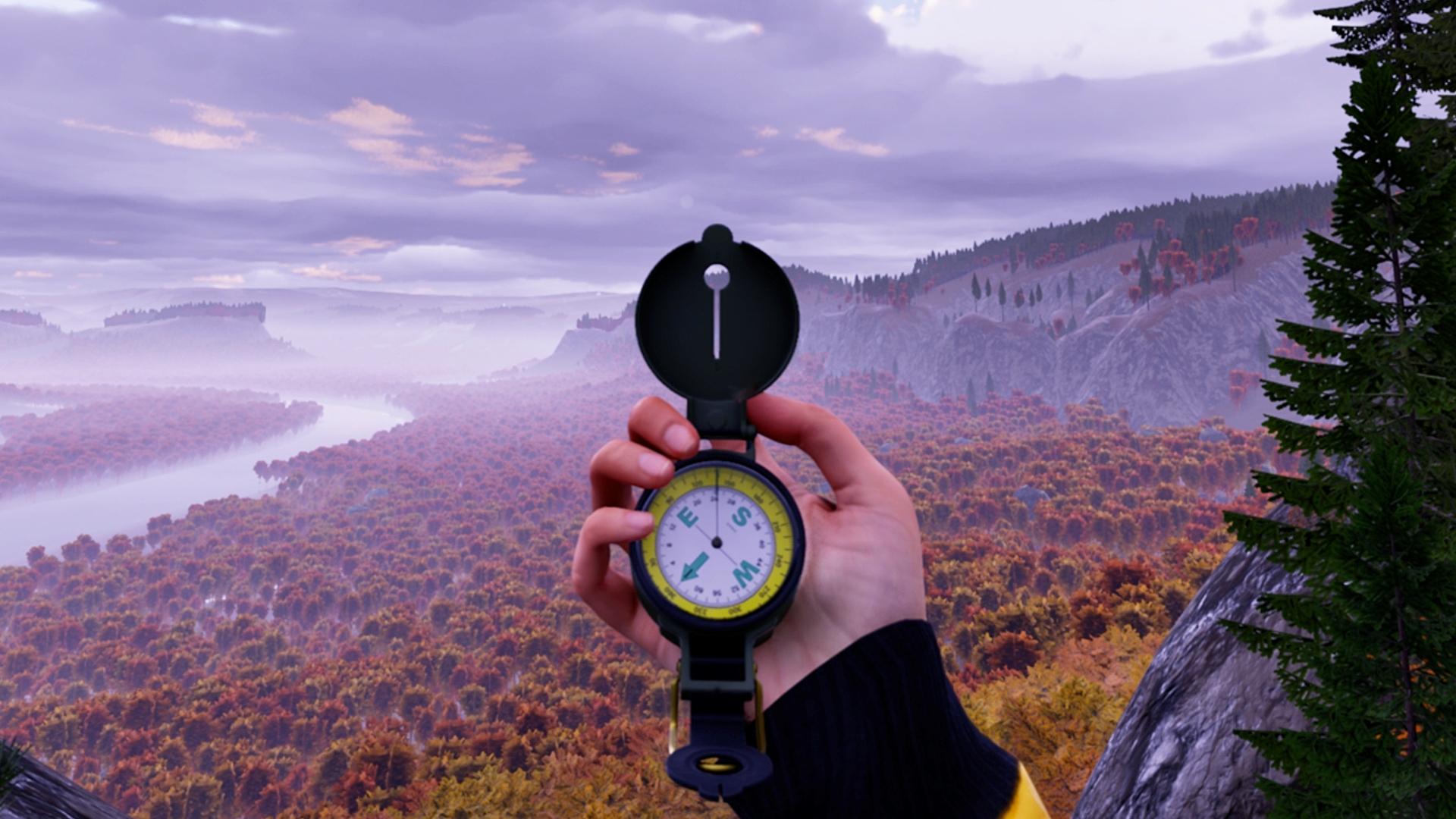
Almost six years ago, during the 2019 Game Awards, a roughly 20-second clip of a forest being battered by a thunderstorm aired. It was a teaser for Prologue, the debut game from Brendan 'PlayerUnknown' Greene's new studio (yes, the chap who made PUBG), and gave us a mysterious, unexplained glimpse at the game we see today. Recently launched in early access, Greene tells me in a new interview that it's "exciting and relieving" to have Prologue out in the wild after all this time. But you may go your whole life never finding that exact, storm-battered scene from the teaser, as Prologue can generate millions of different map seeds, meaning you'll never explore the same terrain twice. However, unlike some of the best survival games of recent times, you won't find quest markers, NPCs, or enemies - it's you versus the wilderness.
I've been fascinated with Prologue ever since I previewed it earlier this year. While there's some complicated tech under the hood, the gameplay itself is rather simple. But make no mistake: its survival-focused modes aren't easy. I feel like I got Prologue and what PlayerUnknown Productions, Greene's studio, is trying to achieve with it, but I had my concerns that its lack of gamification and obvious, signposted content would rub some people up the wrong way.
In its first few days after launch, Prologue sat on a 'Mixed' Steam user score, and the most common complaints I saw revolved around the game being 'empty.' I took issue with those comments - 'That's the whole point of the game,' I muttered under my breath - and I was curious if Greene felt the same way.
"I kind of expected that," he tells me. "It isn't a traditional single-player game with a load of missions, quests, and stuff to do. It's a bunch of simple systems that [allow you to] make your own adventure and choose what to do. It's a game [you play] against yourself more than anything else. And I knew [those kinds of reviews] were coming, but I'm so proud of the team that they focused on getting two hot fixes out in the first week. We have an update coming out with a bunch of new content, like batteries and other such stuff. We have managed to turn, like, I think it was a 55% [review score] into 70% in just over a week, which is a credit to the team […] But, yeah, these comments were 100% expected. I'm just happy that most of the people seem to get what it is."
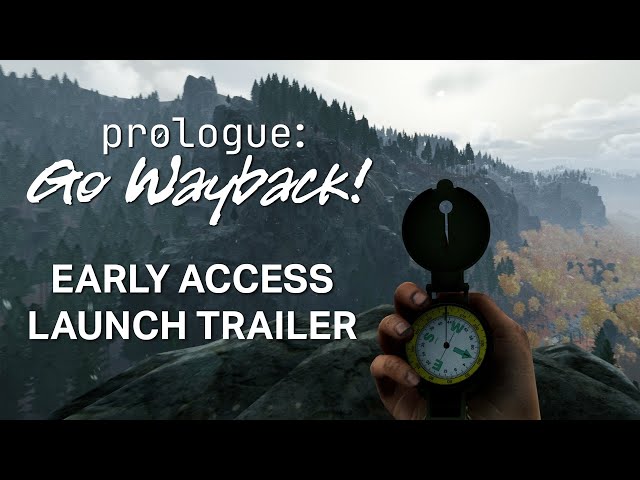
While early access launches are commonplace, Prologue is going for it earlier than most would probably dare. It's not totally void of content - there are three game modes and lots of replayability thanks to its level of challenge and those millions of map seeds - but as mentioned, it's not packed with the usual things you'd expect to find in a survival game straight out the gate. I ask Greene if he believes the definition of early access has been blurred somewhat in recent times, and if he thinks some companies don't use it for the purpose it was really designed for - building with the community.
"Your words, not mine!" he says with an acknowledging chuckle. "I think there has been a tendency to use the idea of an open beta or early access to push out a full game for testing, and then if it doesn't do well, then that's it. Like, there's no plan to kind of go, 'Ok, well, early access is a starting point, and over the next six months or a year, we have a plan to add all this,' and you see a lot of projects being launched into early access with not much else happening afterwards.
"This is probably more coming from a triple-A level than an indie level - I still think a lot of indies use early access in the right way. I think a bunch of studios do. But I think there is a tendency to use it as a kind of, 'Oh, look, it's early access. So it doesn't have to be perfect,' but they're essentially releasing full games. So I think it should be used to work with the community, to see what players think of it. And that's what we did, because we wanted to find the fun with the community, rather than trying to dictate what the fun should be."

That player-led "fun" has manifested itself in some truly remarkable feats of survival within Prologue, according to Greene. The new Objective: Survive mode removes cabins (which act as safe havens and opportunities to find better gear and food) and replaces them with far less protective structures, and simply tasks you with holding out as long as possible before hunger, extreme weather, or a tumble down a mountainside ends your run. "We've already got one guy [in our Discord], I think he's up to 18 or 19 days now, surviving," Greene says. But players have been adding their own self-inflicted layers of difficulty too, such as no clothing runs - good luck if a blizzard rolls in.
"In our Discord, every week, we put up a seed, and you have to find the shortest distance, from the weather tower to the [starting] cabin," Greene adds, giving another example of how the sandbox nature of Prologue can be manipulated to create new challenges. He likens all of this to the early days of PUBG, fondly recalling when players would attempt to win matches with just a frying pan, for example.
Keep your eyes peeled for more from my conversation with Greene about Prologue's early access plans and Project Artemis, his end goal of creating huge, planet-sized worlds to house his interpretation of the metaverse.

 English
 Arabic
 French
 Spanish
 Portuguese
 Deutsch
 Turkish
 Italiano
 Russian
 Romaian
 Portuguese (Brazil)
 Greek
Greek