


New Images Of Comet 3I/ATLAS From 4 Different Missions Reveal A Peculiar Little World
New Images Of Comet 3I/ATLAS From 4 Different Missions Reveal A Peculiar Little World
In less than two weeks, interstellar comet 3I/ATLAS will be the closest it will ever get to Earth, just 269 million kilometers (167 million miles) away, or 1.8 astronoical units (the Earth-Sun distance). As the cosmic encounter rushes towards us, there will be a lot more opportunities to observe this incredible object. Still, some new, exciting, and unexpected ones have just dropped in the last few days, including a photobomb from observatories that were not even looking.
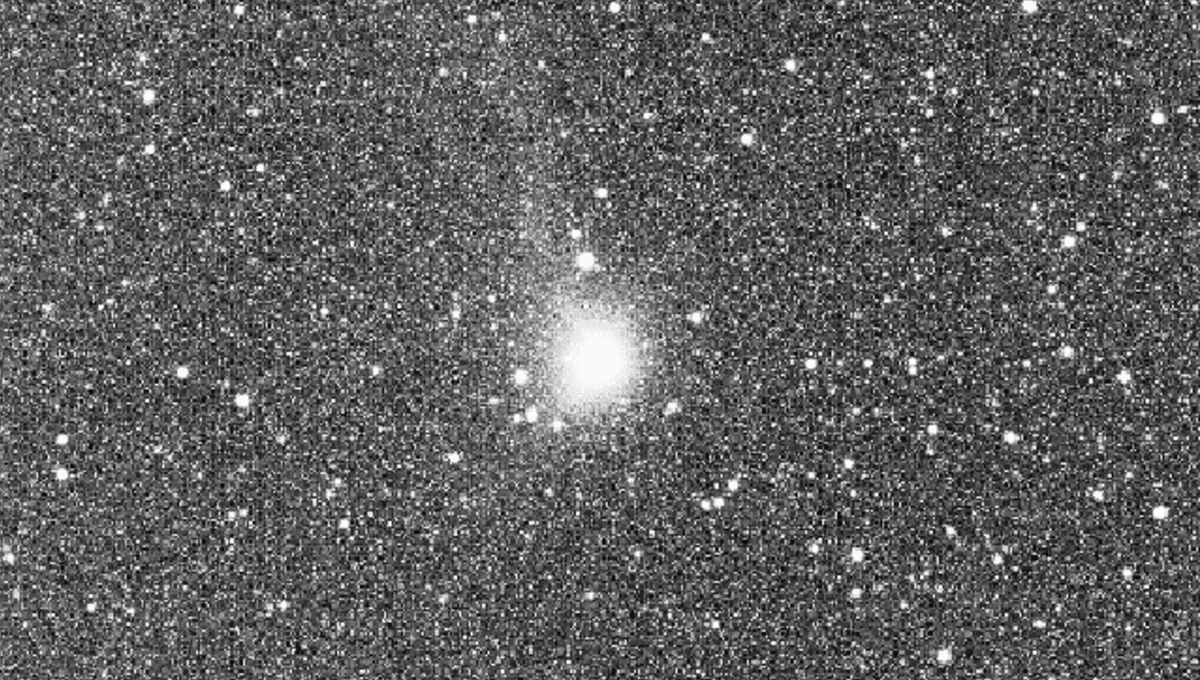
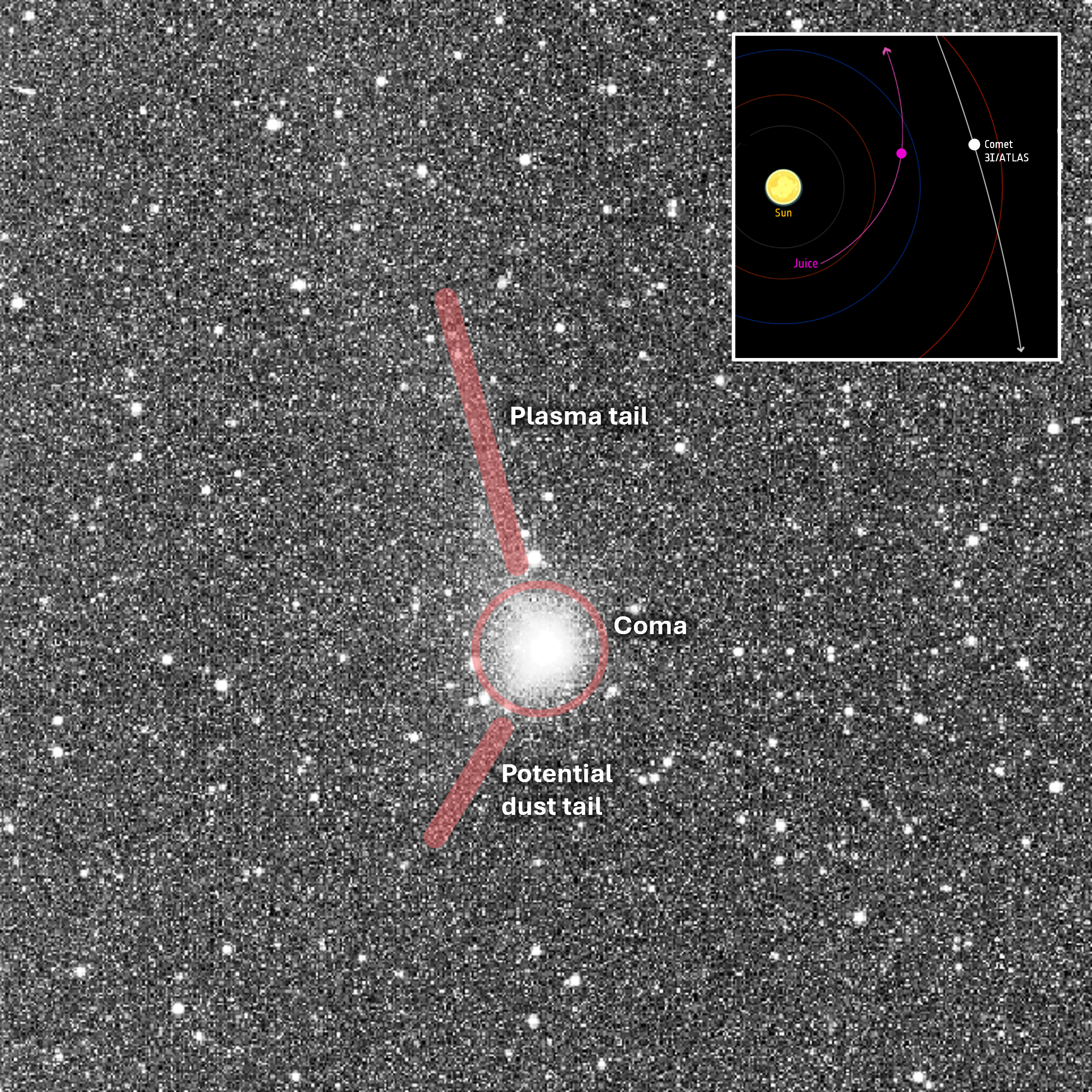
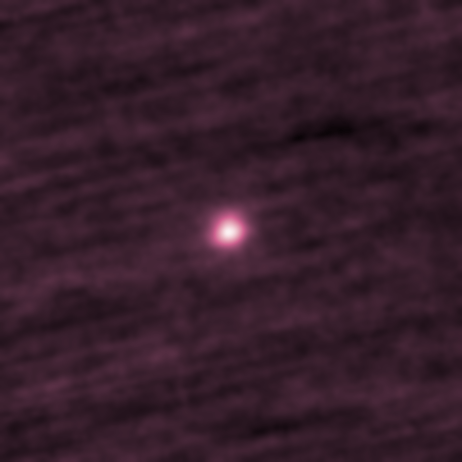
The rest of this article is behind a paywall. Please sign in or subscribe to access the full content. Seniority trumps it all, so let’s talk about Hubble's interstellar comet images, the latest of which you can see below. The veteran space telescope, now in its 35th year, first observed 3I/ATLAS back in July, mere weeks after the original discovery of the object on July 1. That image was snapped when the comet was 365 million kilometers (227 million miles) from Earth. At the time, it was the sharpest image we had: a pixelated, smallish blue blob, showing the first hints of activity coming into the Solar System. In the new image taken on November 30, the comet is still a fair distance away from Earth at 286 million kilometers (178 million miles) from Earth, but it is certainly brighter than it was, having passed its closest point to the Sun, the perihelion, just over a month ago. 3I/ATLAS observed by Hubble on November 30, 2025. The background stars appear as streaks as Hubbe tracked the comet across the sky. Image Credit: NASA, ESA, STScI, D. Jewitt (UCLA). Image Processing: J. DePasquale (STScI) For a better look at the effect of the perihelion, we've got a surprise new image drop. The European Space Agency’s JUICE mission, which is on its way to Jupiter, snapped the comet on November 2 and then again on November 25. Its full data set was not expected until February 2026, as the spacecraft is not in the ideal position for high-speed data transmission. Clearly, the team couldn’t resist seeing what they'd caught, so they downloaded just one quarter of an image from the first observation and have now shared it. Thanks to its relative position, 66 million kilometers ( 41 million miles) from 3I/ATLAS between the interstellar comet and the Sun, JUICE got a fantastic view of this object. The spacecraft saw the coma, the fuzzy cometary atmosphere, but it also saw its two tails. The plasma tail is composed of charged particles, being pushed away from the Sun in roughly a straight line. The other tail is a dust tail, made of larger chunks of cometary material. Annotated view of 3I/ATLAS from JUICE, taken in November 2025. Image Credit: ESA/Juice/NavCam A comet's second tail is called an anti-tail as it points more sunward. Here, it's believed to be due to the size of the particles being released by the solar radiation hitting this ancient comet. The coma of 3I/ATLAS also has some weirdness. The recent suggestion that the interstellar interloper possesses cryovolcanoes could factor in this peculiarity. This object is a window to a time in our galaxy that we can hardly study directly, as it is much older than our own Solar System. Happily, it has been such a fixture this year that it has even photobombed other groundbreaking cometary observations. Scientists using NASA’s PUNCH (Polarimeter to Unify the Corona and Heliosphere) mission were tracking another great 2025 comet, comet 2025 R2 (SWAN), by taking observations every few minutes between August and October. Most comets are usually observed once a day for a long time, or several times every few hours for a short period. PUNCH delivered the longest period a comet has been tracked at such a high frequency. Comet 2025 R2 (SWAN) is certainly the star of these observations, but guess who had a little cameo in the data: 3I/ATLAS! A reminder that it will not be forgotten. Comet photobombs comet! Image Credit: NASA/Southwest Research Institute Another mission not expecting to capture 3I/ATLAS is NASA’s STEREO (Solar Terrestrial Relations Observatory), which studies the Sun's activity. It had been thought the comet would be too faint for STEREO to see, but some clever image processing and stacking of multiple exposures of images by the Heliospheric Imager-1 instrument, a visible light telescope, revealed the comet. 3I/ATLAS was made visible by using a series of colorized stacked images by STEREO’s visible light imager from September 11-25. Image credit: NASA/Lowell Observatory/Qicheng Zhang Our interstellar visitor's closest approach to Earth will occur on December 19, so it's likely that both ground-based telescopes as well as nearby space observatories will deliver a glut of paparazzi-esque images as an early holiday treat. Keep your eyes peeled!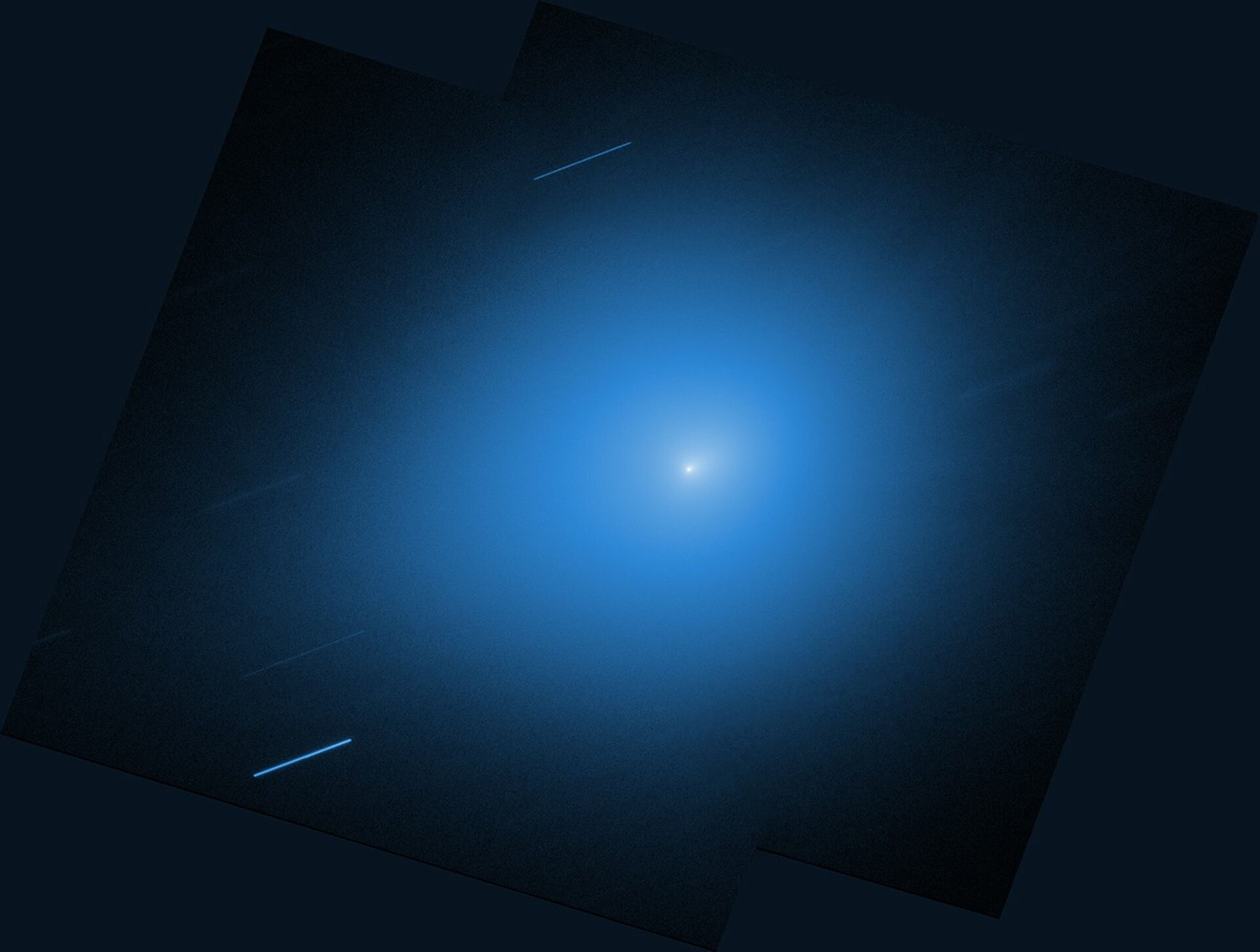
.gif "A gif of comet 2025 r2 (SWAN) moving across a background of stars, and a tiny dot, 3I/ATLAs appear moving in the opposite direction.")

 English
 Arabic
 French
 Spanish
 Portuguese
 Deutsch
 Turkish
 Italiano
 Russian
 Romaian
 Portuguese (Brazil)
 Greek
Greek