


 PUBLISHED

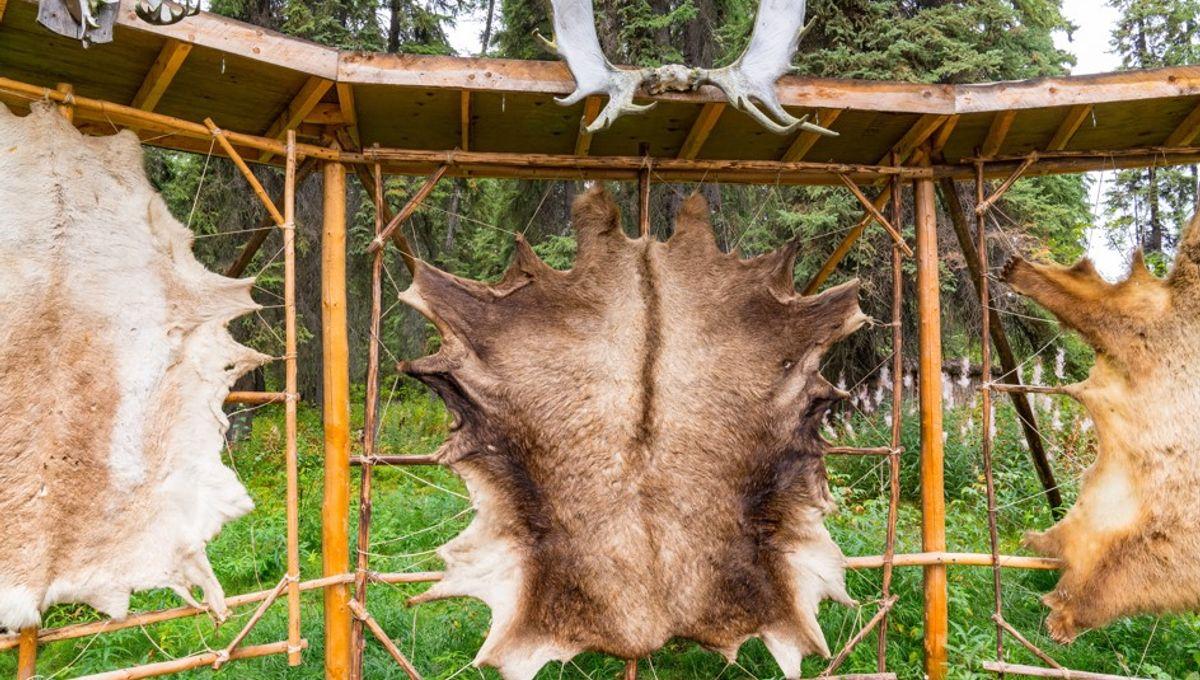
Neanderthals in France may have been strutting around in leather clothes with matching handbags more than 100,000 years ago. OK, that’s a bit of a claim, but the discovery of a bone tool used for flaying animal carcasses does suggest that these extinct hominins were adept at skinning prey and using their hides to make sturdy, waterproof items.
The rest of this article is behind a paywall. Please sign in or subscribe to access the full content. The utensil in question was found at the site of Abri du Maras in France, which was used as a summer hunting camp by Neanderthals at some point between about 105,000 and 132,000 years ago. Returning to the same location year after year, these prehistoric hunters feasted on reindeer and wild horses, and it was while breaking open a reindeer femur to access the marrow that the useful fragment was likely produced. Analyzing the use-wear marks found on this shard of bone, the authors of a new study determined that they were incompatible with abrasive activities such as scraping hides. Instead, the markings are highly consistent with those produced by repeated contact with soft tissue. Experimental reconstructions indicated that the pattern of wear was most likely to result from skinning – a finding which is backed up by modern ethnographic data. The Algonquian Nehiyawak and Nakawēk nations of North America, for instance, favor the use of unmodified bone fragments for flaying carcasses as they can easily be inserted between the skin and the meat without piercing or damaging the hide, which can then be retrieved intact. The most parsimonious interpretation, therefore, is that Neanderthals used this fragment of reindeer bone to skin other animals. According to the researchers, the highly smoothed edges of the tool indicate that it was used for flaying over an extended period, and was therefore probably part of a toolkit carried by a Neanderthal hunter on numerous excursions throughout the season of occupation at the camp. Markings on the bone tool suggest it was used for skinning animals. Image credit: Doyon et al., Scientific Reports 2025 (CC BY-NC-ND 4.0) “This scenario not only implies that Neanderthals understood the technological potential of bone and took advantage of it,” write the study authors. “It also highlights their capacity to plan their technological needs ahead and select lightweighted items that could efficiently perform the tasks that would arise following a successful kill.” The use of such a tool also indicates that Neanderthals took great care to avoid perforating animal hides, suggesting that they probably used these animal skins to produce waterproof leather clothing and bags. Interestingly, threads made by later Neanderthals have been found at the same site, reinforcing the idea that they “not only processed hides with care but also had the technological means to assemble durable and functional leather items.” The study is published in the journal Scientific Reports.


 English
 Arabic
 French
 Portuguese
 Deutsch
 Turkish
 Dutch
Dutch
 Italiano
 Russian
 Romaian
 Portuguese (Brazil)
 Greek
Greek