


Around 5 Percent Of Cancers Are Of "Unknown Primary". Could A New Blood Test Track Them Down?
Around 5 Percent Of Cancers Are Of "Unknown Primary". Could A New Blood Test Track Them Down?
“When a tumour appears in the liver, that doesn’t mean it’s a liver cancer,” Professor Caroline Dive told me during a recent Zoom call. “It could be a liver cancer, or it could have come from somewhere else, like the lung. The treatment for lung cancer and liver cancer is not the same, but if we can say what a tumour is, and that it has this pattern of mutations, then we can start to think about the right treatment.”
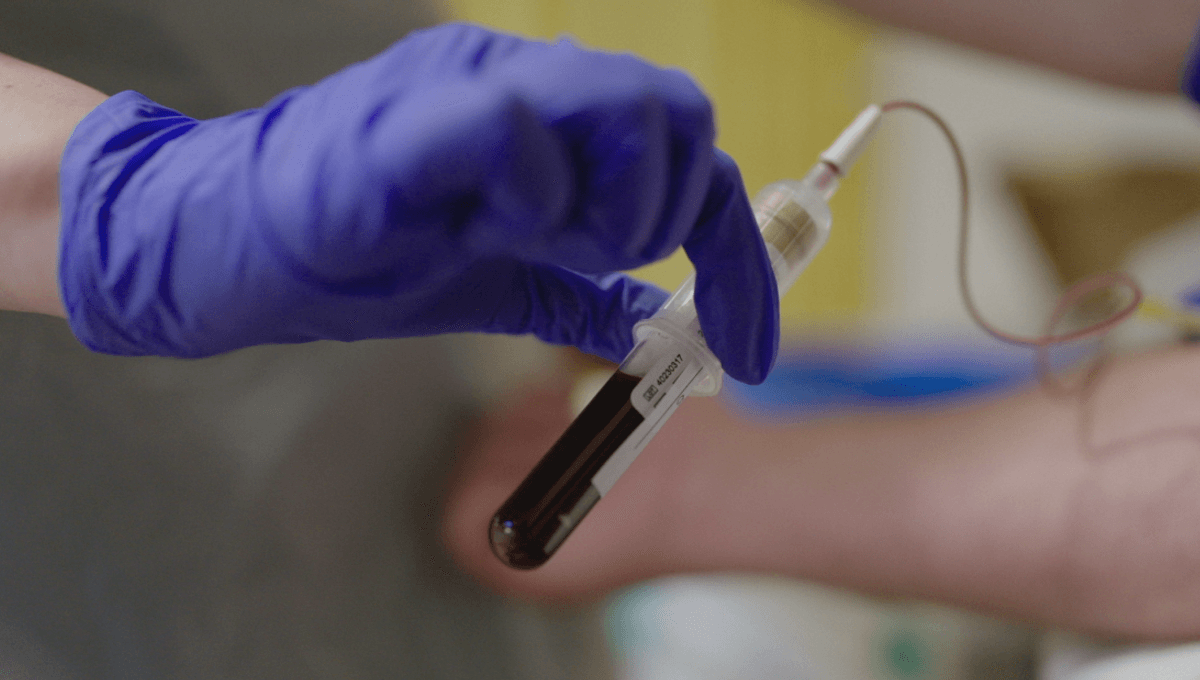
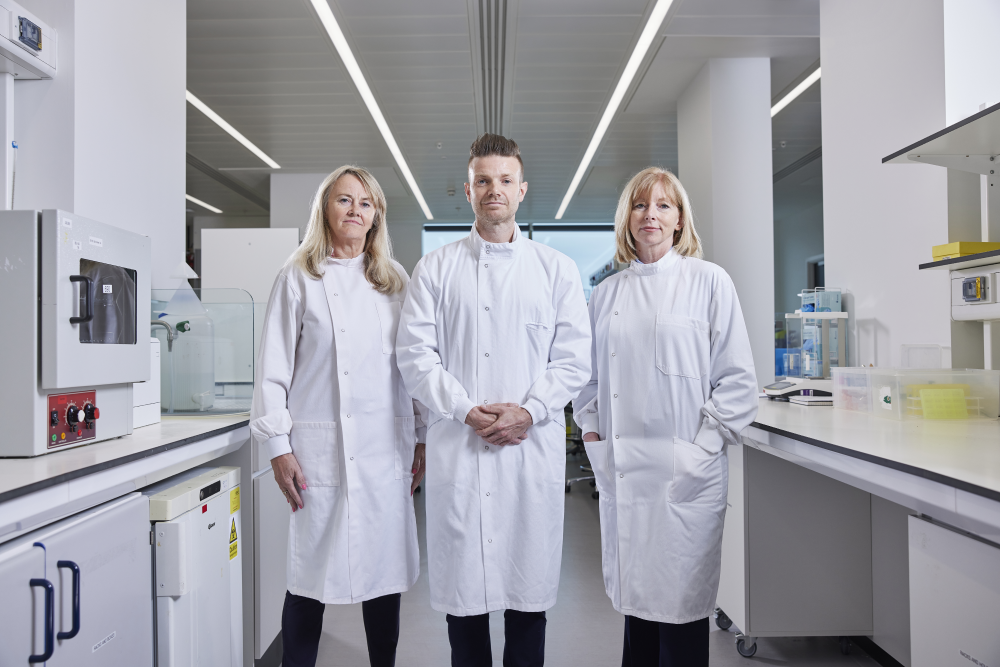
The rest of this article is behind a paywall. Please sign in or subscribe to access the full content. We’re talking about Cancer Detectives, a new series from Channel 4 that follows pioneering research that could transform the future of cancer detection, treatment, and prevention. Episode three, "Clues in the Blood", explores a biomarker test that could detect cancer long before it’s visible on scans and expose where mystery cancers are hiding. It seems like the basics, right? To know what kind of cancer you have. Thing is, around 5 percent of cancers are what’s known as “cancer of unknown primary” (CUP). We’ve found the tumor – we just have no idea where it’s come from. As Director of the Cancer Research UK National Biomarker Centre in Manchester, Dive has been working for over 15 years on a new test that uses our internal plumbing as a way to search the body. You see, blood perfuses just about everything as it carries oxygen to our tissues, and it can collect little mementos on its travels. To scientists, these mementos are known as biomarkers – measurable indicators of biological processes that can help to detect, diagnose, and determine treatments for diseases. Dive’s biomarker test hopes to search for what her team have coined “molecular postcodes” in liquid biopsies, revealing where cancer is hiding in the body. Best of all, unlike existing (and often invasive) ways of searching for cancer, it only requires a blood sample. This blood test isn’t yet available, but it is being used on trial patients like Lee, a mechanic with CUP. Lee has been providing Dive’s team with precious samples they can use to hone their tests and, hopefully in the future, figure out where his cancer has been hiding for over three years. A lot of progress has been made with the help of funding from Cancer Research UK (an extra big pat on the back for anyone who’s ever fundraised in their honor – keep going!), but there are still many challenges to overcome before it can be rolled out. A key concern is ensuring they're sensitive enough to detect small numbers of molecules in the blood, and specific enough to reliably tell us where they're coming from. If it's a very rare tumour, how many of those tumours can we map so that we can identify them? That's the challenge we have. Professor Caroline Dive “Some CUPs come from original tissues where there's a very common type of cancer, such as lung cancer or colon cancer,” said Dive. “Other CUPs have originated from tumours which are really, really rare. So we're developing our tests to find what we call the 'molecular postcode', which is based on all these molecules that sit on DNA and tell us where the cell originated.” “If we've got 300 lung cancers to build our test on, then when we find a CUP that's lung, it's easy to do the mapping and we can say that's a really robust result. But if it's some very rare tumour, how many of those tumours can we map so that we can identify them? That's the challenge we have.” Professor Caroline Dive’s (left) biomarker research is just one of several pioneering projects explored in Cancer Detectives: Finding the Cures. Image credit: Channel 4 Cancer Detectives One of Dive’s dreams for the future is that molecular postcodes could be used as a routine blood test, detecting cancers before they've had time to progress. Then there’s the reassurance the test can bring to patients like Damian, a skin cancer patient who features in the series, in being able to detect whether or not their cancer has returned. However, creating a molecular postcode map for the entire body, and a test sensitive and specific enough to pick up, isn't easy work. Still, patient stories like Lee and Damian motivate them to keep going, and for Dive – as will be the case for many of us – cancer is a subject that's close to home, too. As Lee said [...] it might not mean cures now, but it could mean cures in the future. Professor Caroline Dive “My dad was 95 and he died,” she said. “He had all these tumours in his liver, and we didn't know what kind of cancer it was.” “The problem with CUP is you have to be fit to undergo all the invasive investigations trying to find out where it came from. Of course, my dad wasn't going to go through that, so in the end he was in a hospice, and it was horrible.” “But it's motivating for me. It's personal. As are the patients that give us the samples to help us to do the research. It may not benefit them, but they have this altruistic mindset – as Lee said – that it might not mean cures now, but it could mean cures in the future. And I think that's such an incredible perspective.” Episode three of Cancer Detectives: Finding the Cures airs on Channel 4 at 10 pm GMT on Thursday, December 4th, in partnership with Cancer Research UK.Clues In The Blood

 English
 Arabic
 French
 Spanish
 Portuguese
 Deutsch
 Turkish
 Dutch
Dutch
 Italiano
 Romaian
 Portuguese (Brazil)
 Greek
Greek