


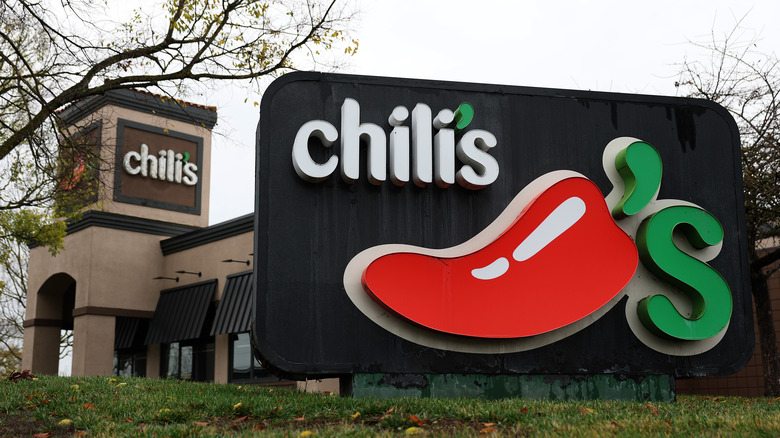
On March 13, 1975, Larry Lavine, with partners Malloy Buckner and John Foshee, opened a casual, full-service restaurant in Dallas offering burgers and chili in a Southwestern-themed setting. They called it Chili's. Short, sweet, and easily remembered, it became a restaurant people went to when they're looking for affordable, delicious food and a full dining experience that doesn't hurt the wallet.
Over the decades, Chili's became one of the nation's most prominent casual dining chains. In 2025, it marked its 50th year in business, a milestone made all the sweeter by the fact that it has experienced a resurgence in both popularity and sales.
Chili's journey from a restaurant where moms and dads went for Taco Tuesday specials and happy hour on a random Thursday, to a Gen Z favorite that's now appropriately cool for everything from a solo dinner, to a date, to a lively meal with friends, is chock-full of lessons that can benefit others in the fast casual dining industry. The chain may have struggled with $8.5 million in debt at one point, but it has rebounded to record 31.6% year-on-year growth for traffic in the first three months of 2025. This is a success story you don't want to miss.
Chili's made steadily good business until the recession
Justin Sullivan/Getty Images
When Larry Lavine first conceptualized Chili's, he wanted a restaurant that would resonate with people. Back in the 1970s, there were many steakhouses and fine-dining establishments, and a growing number of fast food restaurants. Lavine saw the opportunity to build something in between where people could get a full-service dining experience but with a more casual, family-friendly atmosphere. There would be drinks and a simple menu of delicious, high-quality comfort food. So he went to work.
Lavine opened a restaurant in a converted post office building. He named it Chili's, after the literal chili served at the eatery. "People don't talk about spaghetti and meatballs," he said, according to WFAA Channel 8. But people, Lavine said, talk about chili. The restaurant steadily grew in the next seven years. Then, in 1983, Norman Brinker acquired the majority shares of Chili's and became its CEO. By the time the company went public in 1984, Chili's had 23 locations, generating $40 million in sales. It began operating under Brinker International, Inc., and by 2008, Chili's had expanded to 1,452 locations (894 company-owned and 558 franchises).
Speaking of 2008, the financial crisis stalled the restaurant's growth, as it did the rest of the industry. Brinker closed 20 Chili's locations that year. The company explored various strategies to stay in business and, fortunately, made it past the worst of the global recession. But Chili's had more years of difficulty ahead.
Chili's revenue plateaued from post-recession to 2020
YnetteT/Shutterstock
As its flagship brand, Chili's contributes roughly 90% of Brinker International, Inc.'s revenue. The company's sales peaked in 2007 with $4.38 billion. How unfortunate that a global recession would happen the next year and stall the restaurant's promising trajectory. Once the worst of the recession passed, it became crucial for its sales to pick up.
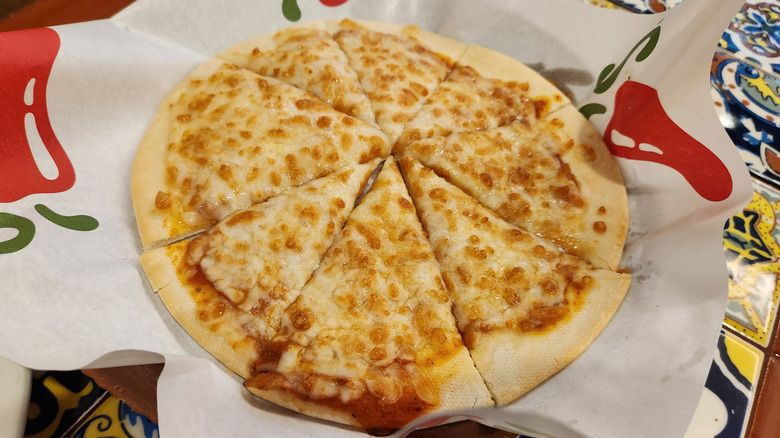
Unfortunately, Chili's and Brinker as a whole had a rather stagnant 2010s. Brinker's earnings dipped to $2.76 billion in 2011 and were only a little over $3 billion by 2019, as reported by CNBC. In an effort to entice customers back to its restaurants, Chili's expanded its menu. The chain added sandwiches, fish, pizzas, salads, chicken-fried steaks, and more cheeseburgers, inspired by trends and ever-changing customer preferences. And so, the original and beloved 15-piece menu grew to 125 by 2017.
Innovating menus is normally regarded in a positive light in the restaurant industry. But for a chain known for southwestern comfort food, deviating from its original flavor profile diluted its appeal. Additionally, from a business standpoint, it became difficult to manage a bloated menu. The pandemic years presented even more challenges for the restaurant, but even during that unique period in history, its core struggle remained: getting people to choose Chili's again. It was time to regroup and refocus.
Chili's welcomed a new CEO in 2022
Sanfel/Getty Images
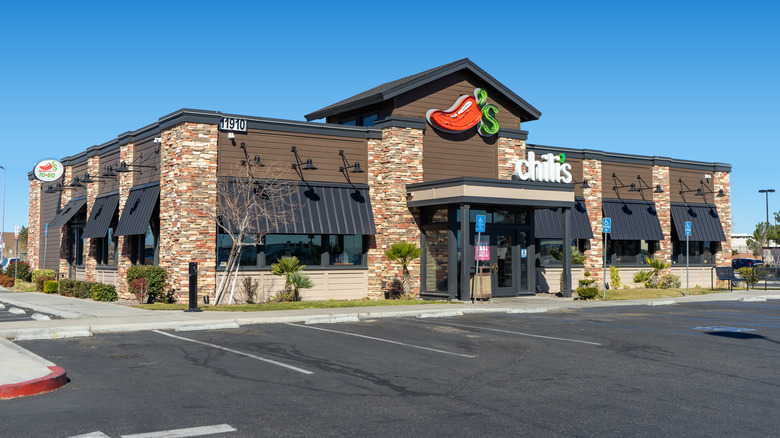
In 2022, Brinker International Inc., welcomed a new CEO and president who would also run Chili's. Kevin Hochman had decades of industry experience in brand management, finance, and marketing for the likes of Procter & Gamble and KFC before coming on board to support the struggling chain. Hochman wanted Chili's to focus on the basics and making better food that people would love and keep wanting to come back for. "A lot of players in casual dining, and Chili's was one of them, forgot about, 'Why do people go out?'" he told the Wall Street Journal. "And if we don't deliver on that, why would we expect our business to grow?"
Hochman implemented many changes in the menu, service, and company culture. In just two years, Chili's store sales and overall revenues started increasing. From 2022 to 2024, the average sales per restaurant rose by $440,000, an increase of more than 14% than its previous growth. Traffic also grew by 5.9%, and Brinker's annual revenue surpassed its all-time peak of $4.38 billion in 2007 to $4.42 billion in 2024. In 2024 alone, Brinker's share prices rose by 60% from January to September. Then, by Q1 of 2025, Chili's saw a remarkable 31.6% year-on-year same-store sales increase.
Chili's slimmed down the menu
T. Schneider/Shutterstock
With Kevin Hochman refocusing on the food, one of the first things he did was create a leaner menu. Chili's had already started scaling back from 125 to 75 items in 2017. Under Hochman's leadership, it trimmed Chili's menu further by 25%. "Huge advantages come out of slimming down the menu," Hochman told The Wall Street Journal. Reducing the food options made things easier on the cooks and servers, but more importantly, it "allows [them] to make the food better." It gets increasingly challenging to maintain flavor and quality the more items there are on the menu.
This is why Chili's discontinued its Original Crispers with tempura batter and started serving only the Crispy Chicken Crispers. This meant giving up 20% of its Crisper sales, but it streamlined the cooking process so kitchens were able to cook faster without compromising quality. And so, Chili's Crispy Chicken Crispers sales were 66% higher as of 2025 than in 2022.
But Chili's didn't just take things away from the menu. The company also introduced a new item that stayed true to the chain's roots as a joint for quality burgers: the $10.99 Big Smasher burger meal. It came up with this product after seeing people complaining about how expensive fast food has become. And so, Chili's presented the public with a similarly-priced yet better-tasting, better-quality alternative. The Big Smasher met customer expectations and constituted 60% of its sales growth.
Brinker added the It's Just Wings menu to Chili's bars
When restaurants shut down during the COVID-19 pandemic, Chili's had to pivot from its casual dining model to delivery and curbside pickup. In June 2020, Brinker International launched a virtual brand called It's Just Wings. As the name suggests, this focused on chicken wings. Its menu had only three items: bone-in, boneless, and smoked chicken wings, all with a side of curly fries, ranch sauce, and 11 more choices of dip.
This was a strategic branding and online marketing move. When people craved and searched for chicken wings on Google or through third-party apps, It's Just Wings would come up. Virtual food brands became common practice among restaurants during the pandemic, and Chili's was one of the lucky ones that managed to turn an impressive profit.
In 2023, Brinker confirmed plans to bring the It's Just Wings menu to Chili's restaurants. It was highly successful as a virtual brand that operated out of Chili's kitchens. Customers loved them, so it only made sense to try and use the wings to drive more foot traffic. The brand still operated online, but making them available in-store gives people one more reason to sit at the bar, order a margarita, and snack on wings while watching a football game on the screen.
Chili's fried mozzarella sticks went viral
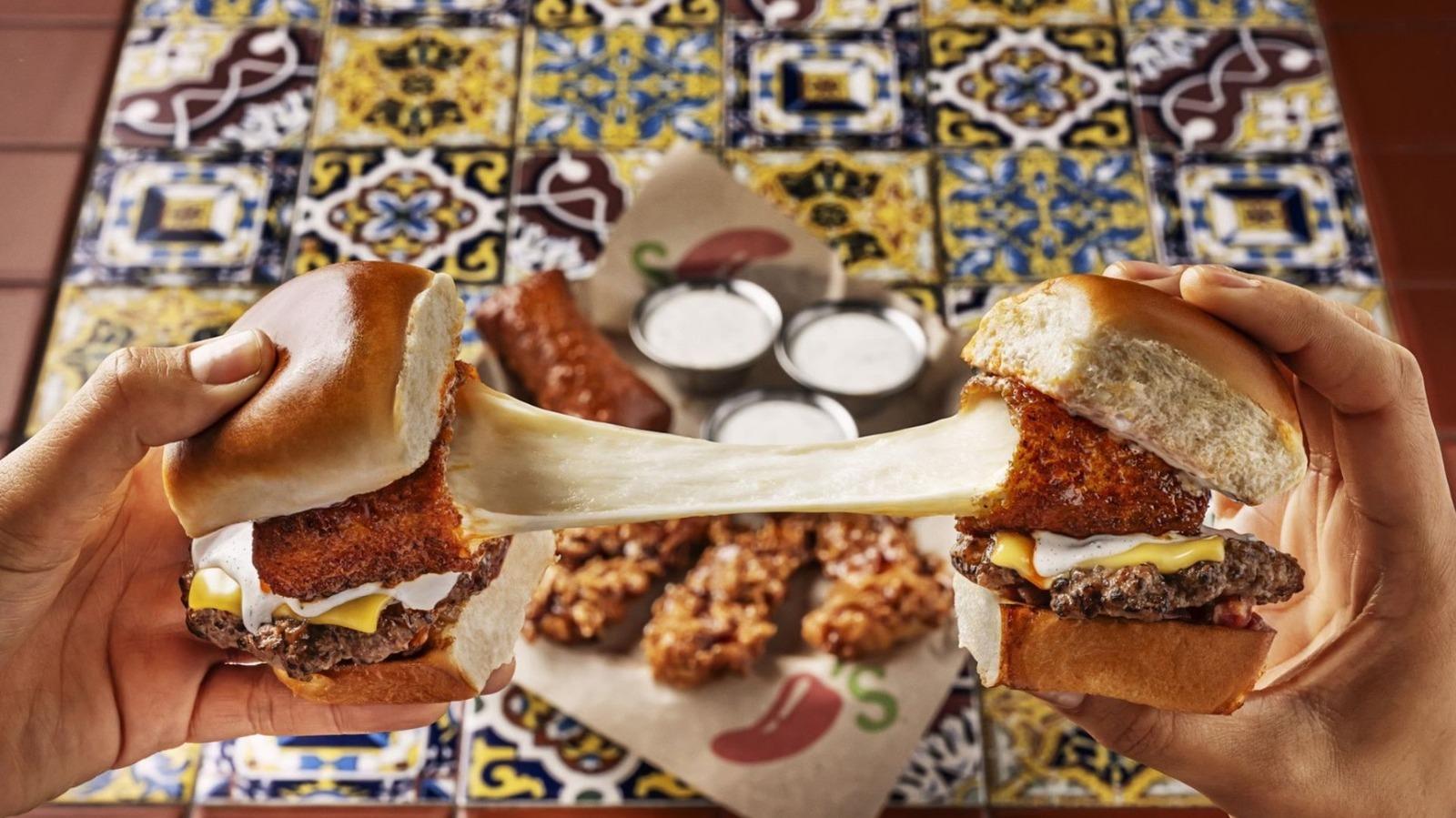
Chili's menu had another ace that went viral on TikTok in 2024: fried mozzarella sticks. These gooey, stretchy fried appetizers fired up Gen Z's FOMO meter as videos of people pulling impressively long stretches of mozzarella circulated. With many videos gaining millions of views and engagements, the frenzy sent customers to the nearest Chili's.
The sticks became so popular that they contributed nearly 40% of the company's growth in a single quarter of 2024. Some locations also had to order more mozzarella than they could properly store. Thankfully, it didn't become a serious problem because the fried mozzarella is such a best-seller. "They were going out just as quickly as they were coming in," Joe Wilson, a managing director of a Chili's in New Jersey, told CNBC.
What's so special about Chili's fried mozzarella? They are blocks of mozzarella dipped in batter, then deep-fried to form a nice, crunchy coating around the soft, stretchy cheese. Customers usually order them with the Triple Dipper platter, which offers three choices of Chili's appetizers plus dipping sauces. What's funny is that fried mozzarella has actually been on Chili's menu since 2022, and plenty of other restaurants also have awesome mozzarella sticks. But thanks to robust online marketing, Chili's fried mozzarella sticks took off.
Brinker International ramped up marketing by $105 million
Cheng Xin/Getty Images
After refining its menu and refocusing its branding, Chili's turned to improving its marketing. To do so, Brinker International increased the chain's marketing budget from roughly $32 million in 2022 to $137 million by 2025. "Chili's has always had a history of really having fun with advertising and trying to be in the zeitgeist or pop culture," Kevin Hochman said in an interview with Fortune. "We don't take ourselves too seriously. You can be silly about the burger because at the end of the day, we're just selling burgers and booze."
And so, Chili's produced new commercials for its $10.99 Big Smashers, in which it did not hesitate to shade its competitors. "If you're McDone with tiny, overpriced burgers, just go to Chili's!" one advertisement said in a clear jab at McDonald's (via YouTube). It leveraged social media, hyped up cheese pull videos on TikTok, and even bantered with competitors. "We honestly didn't know you were still open," it said in one playful response to TGI Fridays on X, formerly known as Twitter. "Congrats!"
The investment paid off enormously. According to the company's 2025 Q4 fiscal year reports, Chili's recorded a two-year sales growth of over 39% and a three-year sales growth exceeding 45%. Chili's restaurant sales rose by 23.7% by the end of the fiscal year compared to 2024. Brinker International attributed its higher sales margins to increasing restaurant traffic and repeat visits, with Chili's executives praising its marketing team in particular.
The chain introduced new tech and other improvements
Ersagun Celebi/Getty Images
Chili's was open to new restaurant tech and innovations even before the pandemic. In 2016, its then-vice president of digital innovation and customer engagement, Wade Allen, spearheaded Chili's digitization. "We started our digital guest experience journey in [September] 2013 as the first mover in the casual dining industry to bring tabletop technology to our restaurant tables," he told Forbes. The restaurant chain placed tablets on each table so customers could reorder drinks, pay their bill, and answer a customer service survey without waiting for an employee.
After the pandemic, Chili's continued to adopt new technology to streamline repetitive manual tasks. It partnered with Bear Robotics to use robot food runners that would complete tasks such as delivering food and guiding customers to their tables. The company also explored drone delivery and self-driving sidewalk rovers as an alternative to more expensive third-party food delivery apps.
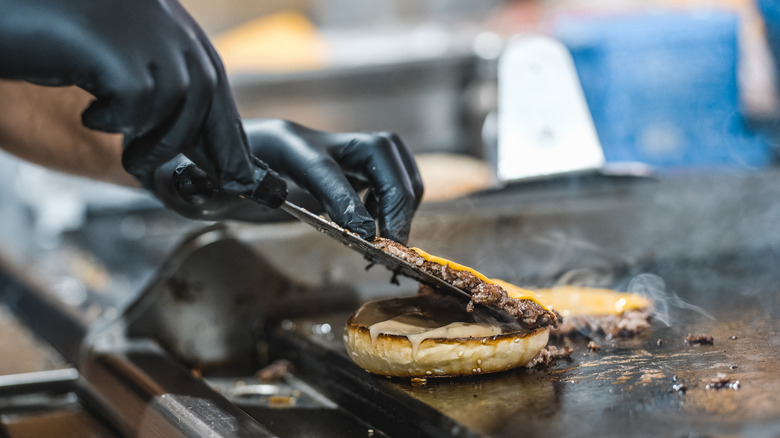
Back-of-house innovations included the use of double-sided grills that simultaneously cooked the top and bottom sides of burger patties. These new fryers reduced the prep time for burgers from five minutes to two minutes and five seconds. Simple changes, such as switching to salt shakers with bigger holes, also made food prep faster and easier. The company also got rid of meaningless chores, like counting and pre-bagging servings of shrimp before service starts. All these innovations improved efficiency, which ultimately has a domino effect that boosts customer satisfaction — and happy customers come back for more.
Chili's hired more staff
PeopleImages/Shutterstock
As the marketing and social media efforts started paying off, more people trickled into Chili's, and revenue started rising. According to the Top 500 Chain Restaurant Report from Technomic (via Restaurant Business Online), Chili's was third among all casual dining chains in the U.S. in 2024, overtaking Applebee's revenue. It's worth noting that while Chili's placed third, its 15% annual sales growth slightly exceeded the top restaurant, Texas Roadhouse, which experienced growth of 14.7%.
None of this could have happened without some serious manpower. While 5.9% sounds relatively minimal in terms of traffic growth, that could mean 20% to 30% more guests at peak hours. If there are not enough servers or cooks in the kitchen, waiting times grow longer, food quality and flavor could get compromised, and customers quickly grow unhappy.
Another notable staffing improvement implemented by Brinker International CEO Kevin Hochman was to hire workers specifically to bus tables. This alleviated the workload of servers and allowed them to focus more on the diners, ensuring they have a stellar dining experience. Brinker planned to invest up to $20 million in staffing in 2025. This, along with streamlined food prep and operations, made dining at Chili's more satisfying for both customers and staff.
Chili's leaned into nostalgia, margaritas, and a fun atmosphere
Chili's greatly benefits from the casual dining format. No one goes there expecting five-star, formal dining service and sophisticated dishes cooked with expensive ingredients. The nostalgia also adds to its current appeal. Gen Xers and millennials remember coming into the restaurant for their post-prom dinner with friends or lunch or dinner with the family on weekends. Many still reminisce about their favorite OG menu items that are no longer available today, and seeing youngsters discovering their old hangout is rekindling their interest in the restaurant again.
While the kids are having fun recording their fried mozzarella cheese pulls, the adults can sit at the bar for drinks. Chili's is not only famous for mozzarella sticks, sizzling fajitas, burgers, chips, salsa, and ribs, but also for its margaritas. Chili's sells a massive amount of margaritas each year. "Margaritas are a very important part of our business," Chili's chief marketing officer, George Felix, told Marketing Dive. "We actually sell more margaritas than any [other restaurant brand] in the United States. ... We want to continue to reinforce our leadership in that space."
Chili's is now more affordable than fast food
Yuta Kumaki/Getty Images
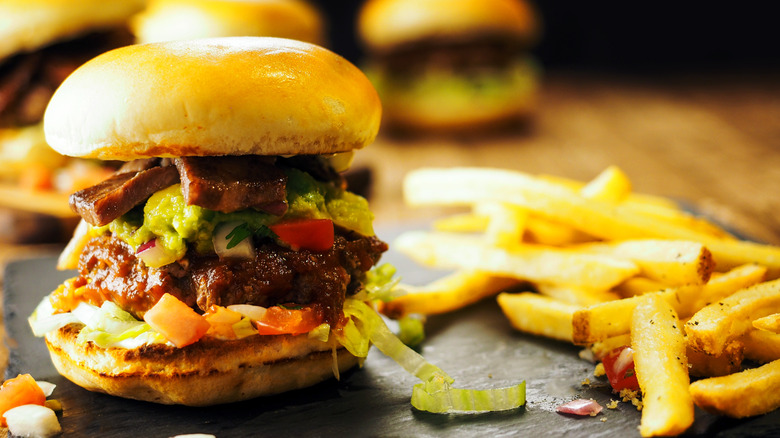
Undoubtedly, one of the reasons Chili's has grown in popularity is its affordability. Despite numerous innovations, changes in operations, and more money invested in its marketing, the restaurant has kept its menu prices relatively stable. Fast food, on the other hand, has gotten more expensive. A McDonald's Big Mac costs around $5 to $6 on average, but the price can exceed $7 in some big cities. The total can easily reach $10 to $20 when you add a drink, fries, and tax. According to Newsweek, McDonald's grew 141.4% more expensive between 2019 and 2024 — and in some places, you may end up spending as much at the Golden Arches as you would for a sit-down meal at Chili's.
Fast food's primary appeal is that it's accessible and cheap. Now that fast food has gotten expensive, customers are reconsidering their options, with 80% of Americans now considering fast food a luxury, according to a survey by LendingTree. If they go to a casual dining restaurant like Chili's, they'll get a full-service dining experience, more attentive customer service, and better, more delicious food. If they go to a fast food restaurant, customer service starts and ends at the counter.
The best choice is a no-brainer. Chili's has a 3 For Me meal that includes a drink, starter, and main for as little as $10.99. If you also count other affordable menu staples like the $6 margaritas, Chili's definitely offers greater value than fast food.
Chili's plans to continue offering value and giving customers what they want
Justin Sullivan/Getty Images
Chili's is now back in top form, and business has never been better. Business and industry analysts credit CEO Kevin Hochman for the chain's impressive renaissance and its emergence from the stagnancy that's often a death knell for similar businesses. For his part, Hochman is focused on the brand and delivering on customers' expectations.
"The way we're going to keep growing the business is don't get rid of the fundamentals," he told The Wall Street Journal. Keeping in mind the essence of casual dining and merging that with the vision of Chili's will be crucial for maintaining the business's momentum. Growing the business is a priority for Brinker International, and that means opening more Chili's restaurants. At the same time, Hochman wants to focus on existing locations. He plans to upgrade its more outdated restaurants, grow sales, and ensure customer experiences are positive and satisfying.
Nostalgia, quality food, and stellar customer service. These turned things around for Chili's and will continue to establish the restaurant's status as America's favorite casual dining joint.

 Arabic
 French
 Spanish
 Portuguese
 Deutsch
 Turkish
 Dutch
Dutch
 Italiano
 Russian
 Romaian
 Portuguese (Brazil)
 Greek
Greek