


10 Plants You Should Prune in Winter to Boost Spring Growth
These trees, shrubs, and vines do best with winter pruning.
Published on December 2, 2025
Peter Krumhardt
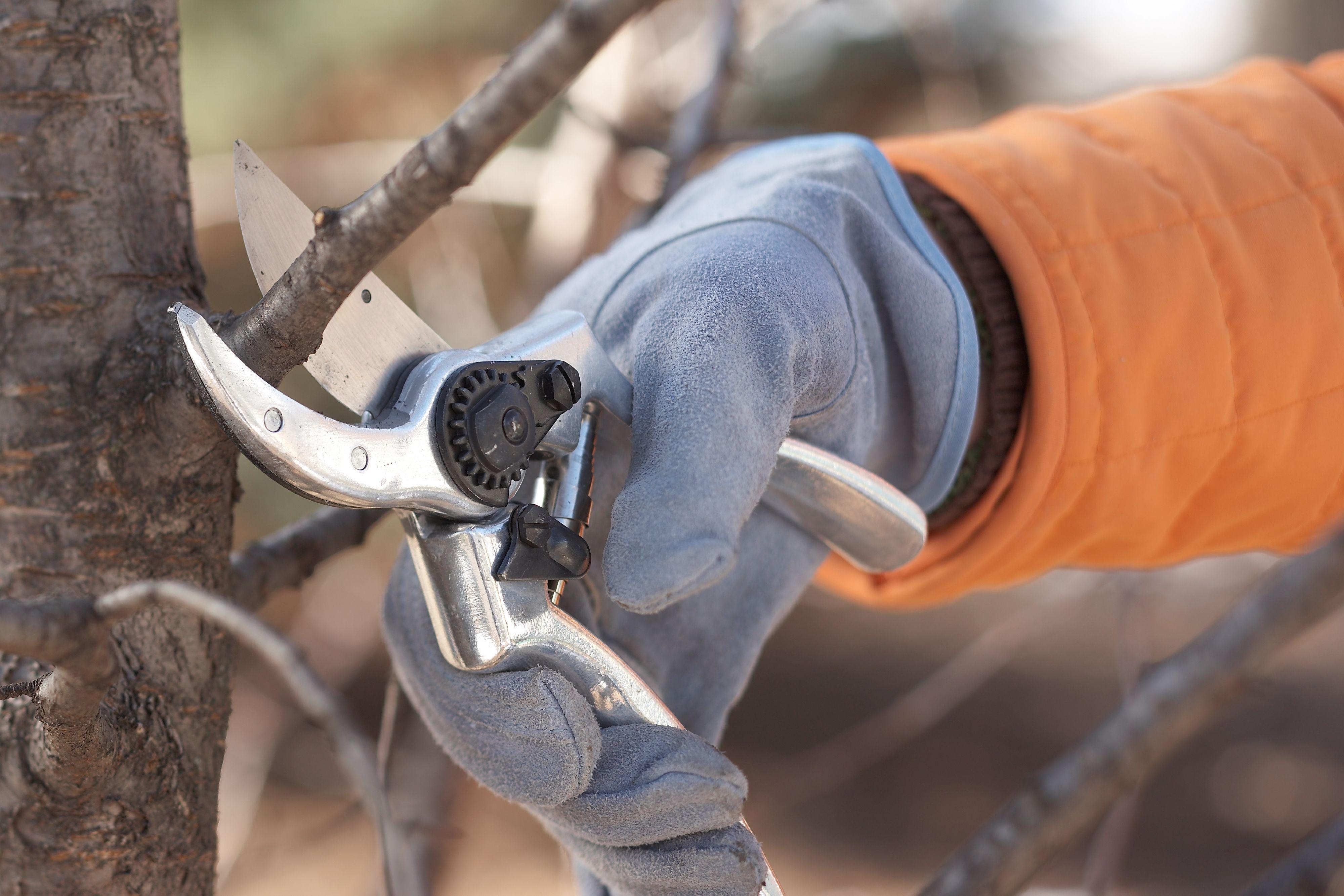
Although some plants can be damaged by winter pruning, others actually grow better and fruit and flower more abundantly when they’re cut back in winter. Plus, it's easier to see the branches without leaves on them. Here are 10 popular types of plants that are best pruned in wintertime.
Most Deciduous Trees and Shrubs
You can trim broken, dead, or diseased branches any time of the year, but it's the wintertime when major pruning of deciduous trees and shrubs like maples, oaks, and birches should happen. Pruning during the growing season can hinder their energy storage for winter and may spread diseases like oak wilt. Winter pruning avoids these problems and allows for neater cuts since the branches are bare.
Pear and Apple Trees
While winter pruning works best for most deciduous trees, it can reduce blooming in some spring-flowering plants. However, late winter or early spring is perfect for pruning apple trees, pear trees, and relatives like hawthorns and crabapples. Pruning at this time limits stress, disease spread, and allows cuts to heal quickly.
Grapevines
Grapevines are prone to "bleeding" sap if pruned in the growing season, which can weaken them and draw pests like wasps. Grapevines are less likely to "bleed" during the winter dormancy. Major pruning is ideal in early to midwinter, while smaller shoots and clusters can be managed in the warmer months.
Crape Myrtles
Crape myrtles typically form a graceful, vase-like shape on their own and usually don't need pruning. If shaping is desired, late winter is perfect for trimming wayward stems and crossed branches. For a more tidy and elegant look, remove suckers and low branches.
Late Flowering Clematis
Clematis plants are divided into three groups: early flowering (Group 1), May-June bloomers (Group 2), and late flowering clematis (Group 3). While Groups 1 and 2 need minimal pruning, late bloomers can get tangled if not pruned regularly. For best blooms, cut back late flowering varieties hard to the lowest flower buds in February.
American Beautyberry
Beautyberry, a native of the southeastern U.S., is known for its striking purple berries that attract songbirds. It's low maintenance and doesn't require much pruning. However, you can help rejuvenate the shrub and boost berry production by removing 25% of its oldest stems in late winter.
Smoke Trees
Bob Stefko
Known for their airy, pink "smoke" blooms, smoke trees blossom in summer and rarely need pruning. To encourage denser growth and larger leaves, prune them in late winter when they're dormant.
After pruning your smoke tree, add a bit of well-rotted manure or compost on top of the surrounding soil to give your plant the nutrients it needs to produce fresh growth in spring.
New Wood Hydrangeas
Old wood hydrangeas, such as bigleaf and climbing varieties, form buds on last year's growth, so prune them right after blooming. In contrast, new wood hydrangeas like panicle and smooth types produce buds on new growth, allowing for pruning at various times. Late winter is ideal for pruning new wood hydrangeas as it promotes vigorous spring regrowth without interfering with the plant’s development.
Blueberries
During the initial years of growth, blueberries don’t need pruning. Starting in their fourth year, a winter prune helps increase fruit yield. Prune blueberries by removing roughly a third of the oldest stems and any damaged branches to allow air and sun to penetrate. In subsequent winters, trim back unproductive gray branches but keep the fruitful reddish ones.
Glossy Abelia
As with hydrangeas, identifying your abelia type is key. Some bloom on old wood and require post-flower pruning. Glossy abelia blooms on new wood, allowing for reshaping in winter. Cut old, non-flowering stems to the ground every 3 to 4 years to give them a refreshed look.

 English
 Arabic
 Spanish
 Portuguese
 Deutsch
 Turkish
 Dutch
Dutch
 Italiano
 Russian
 Romaian
 Portuguese (Brazil)
 Greek
Greek