


Ancient Roman Military Officers Had Pet Monkeys, And The Pet Monkeys Had Pet Piglets
Roman Military Officers Had Pet Monkeys, And The Pet Monkeys Had Pet Piglets
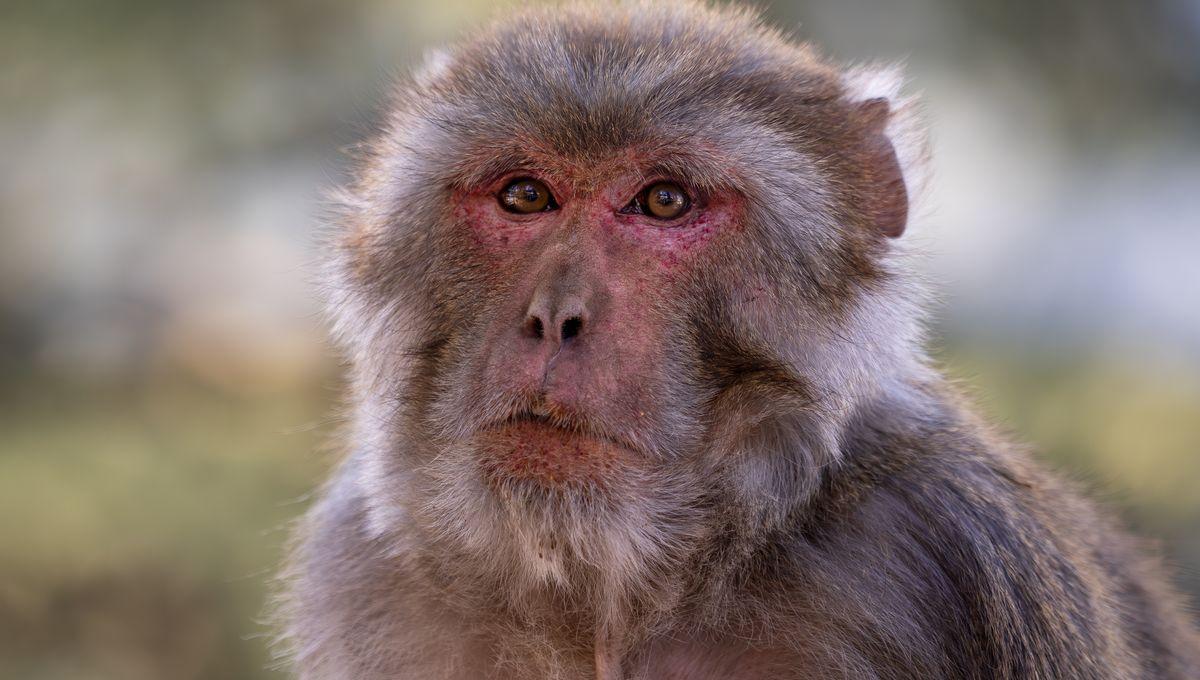
Roman military officials stationed at an Egyptian port were crazy about their pets, and seem to have been particularly fond of monkeys. Specifically, these ancient warriors adored Indian macaques, which they treated almost as if they were children, even giving them their own pets and burying them alongside an array of elaborate grave goods.
The rest of this article is behind a paywall. Please sign in or subscribe to access the full content. Discovered at an animal cemetery at the port of Berenike on the Red Sea coast, the remains of three dozen of these Asian primates have now been documented by the authors of a new study. Dated to the 1st and 2nd centuries CE, the pet monkeys all lived at a time when Berenike was occupied by a community of Roman elites, and most were found alongside artifacts that suggested they belonged to army officers. Previously, a handful of monkey skeletons had been discovered at other Roman sites, including one that died in Pompeii during the eruption of Vesuvius. However, all of these specimens were North African Barbary macaques, which came from within the Roman Empire itself. The Berenike monkeys, on the other hand, have been identified as rhesus macaques and bonnet macaques, as well as one grivet, all of which came from either southern India or the Indus Valley in northern India. They therefore represent the first pets found in a Roman context that had to be imported from beyond the reaches of the empire. And based on their burials, the animals were very highly regarded by their military owners. For instance, a skeleton dated to the early 1st century CE was discovered alongside the remains of a piglet, as well as a pair of large sea shells, a woven basket, and “a peculiarly folded piece of cloth reminiscent of a rag doll.” According to the researchers, “The piglet, shells, rag doll, and basket with its contents undoubtedly 'belonged' to the young macaque.” Another monkey was interred along with a puppy and a kitten, while another burial contained a “tomb marker […] in this way resembling human graves.” The study authors suspect that the items found in these burials were probably the monkeys’ most cherished possessions in life, and may have been included in order to help the animals in their transition to the afterlife. Such special treatment, they say, can be explained by some of the writings of Pliny the Elder, who reported that the Romans tended to view primates as having “semi-human status”. Despite their admiration, however, Roman monkey owners clearly struggled to provide for their exotic pets, many of which showed signs of malnutrition. Still, for these ancient military officers, having a monkey brought a number of social benefits and provided “a distinct marker of one’s elite place in local society.” In the port of Berenike, it seems, an Asian primate was the ultimate status symbol. Or, as the researchers put it, “someone with an Indian macaque on a leash would have basked in the glory of being recognized as an explorer of exotic lands, a person of extraordinary experience and connections.” The study is published in the Journal of Roman Archaeology.

 English
 Arabic
 French
 Spanish
 Deutsch
 Turkish
 Dutch
Dutch
 Italiano
 Russian
 Romaian
 Portuguese (Brazil)
 Greek
Greek