


AlexeiLogvinovich/Shutterstock
Everyone has their baking secrets, like Courtney Cox's flour combo for amazing cookies or Prue Leith's strategy for a perfect cake. There's one trick for making bakery-level goods that doesn't involve buying anything new or even changing the recipe you normally use. All you need to do is toast the flour before adding it to the dough of whatever you're making.
If that sounds like an insignificant change, just think of when you toast a slice of bread. As you may know, the Maillard reaction takes place. During that process, the slice releases a delicious aroma and develops a richer, nuttier flavor as heat interacts with protein and sugar. The color of the bread also becomes a prettier golden shade. Similarly, when flour is exposed to heat, its flavor shifts from bland and neutral to subtly nutty.
Improved flavor is a clear benefit, but the texture gets upgraded too. When you toast flour, the proteins responsible for forming gluten start to break down, which leads to a softer texture. This creates a more delicate texture in cookies such as shortbread and other baked goods. Because it affects the gluten, you wouldn't want to substitute all of the flour with toasted flour for a bread loaf, but incorporating a small percentage would be enough to get the enhanced flavor.
How to toast flour
Zarina Lukash/Getty Images
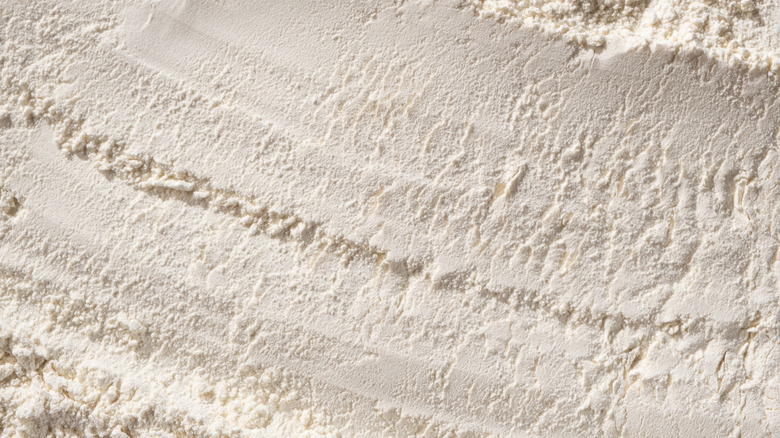
Toasting flour is as easy as it sounds and can be done on the stovetop, microwave, or oven. For the stovetop and microwave method, use only a small amount at a time, such as a cup, to ensure that the flour gets toasted evenly. If using a baking sheet for the oven, you'll have more space for the flour, so toasting more at once is fine.
For the stovetop method, stir the flour in a pan constantly on medium heat. After a few minutes, it'll start to change color to a darker beige and smell toasted; remove it from the heat and let it cool before using. For the oven method, pour flour onto a baking sheet lined with parchment paper. Stick it in the oven set at 350 degrees Fahrenheit for around 30 minutes. Check every five minutes to stir and ensure it's not burning. The microwave method is a bit more involved; you'll want to microwave for thirty seconds at a time, stir, and repeat for about five minutes in total.
Additional considerations for toasting flour
Larisa Stefanuyk/Getty Images
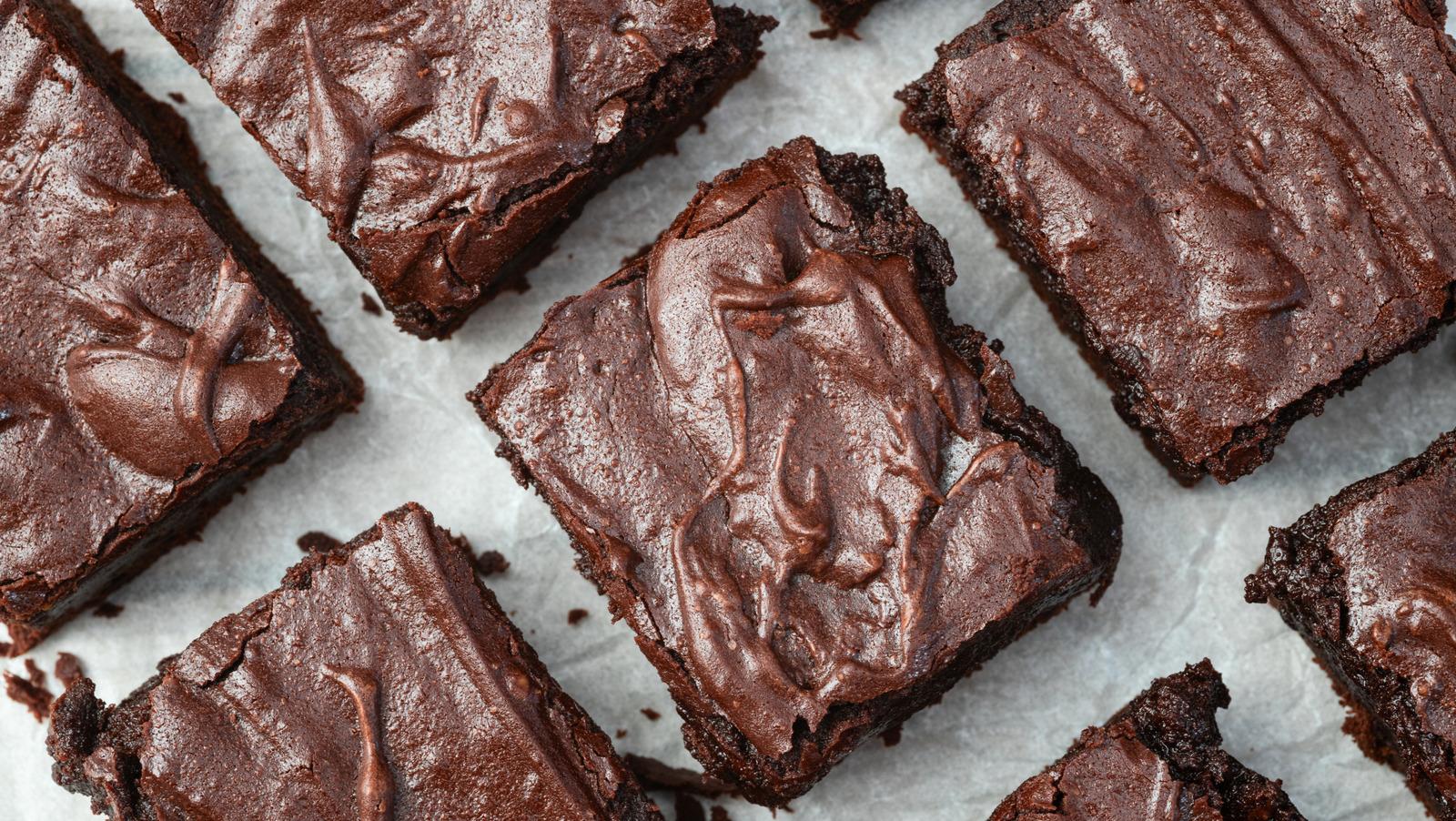
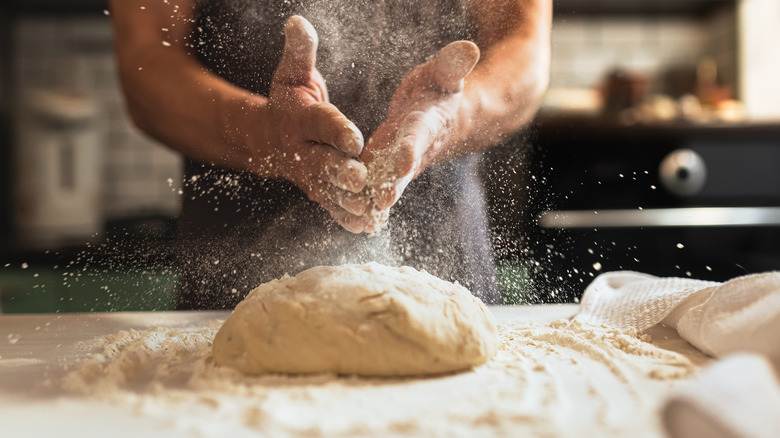
Using toasted flour for baked goods like cookies and brownies mostly just provides benefits in terms of flavor. In terms of texture, you don't need to worry much about the structure falling apart, as these desserts still contain egg that will keep them bound together. So go ahead and toast all the flour for these types of recipes. However, for bread that needs to rise and have a sturdy dough structure, there are limits. You might want to try experimenting with 10% to 20% of the flour toasted to add flavor.
Flours like all-purpose, whole wheat, and bread flour are good candidates for toasting as they start out with higher amounts of protein. Lower-protein products, such as cake flour, will struggle with structure after being toasted, as they already start out with a lower gluten content. Alternative flours like oat and coconut can be toasted, as gluten-free recipes already account for the lack of gluten.

 English
 Arabic
 French
 Spanish
 Portuguese
 Deutsch
 Turkish
 Dutch
Dutch
 Italiano
 Russian
 Portuguese (Brazil)
 Greek
Greek