


 PUBLISHED

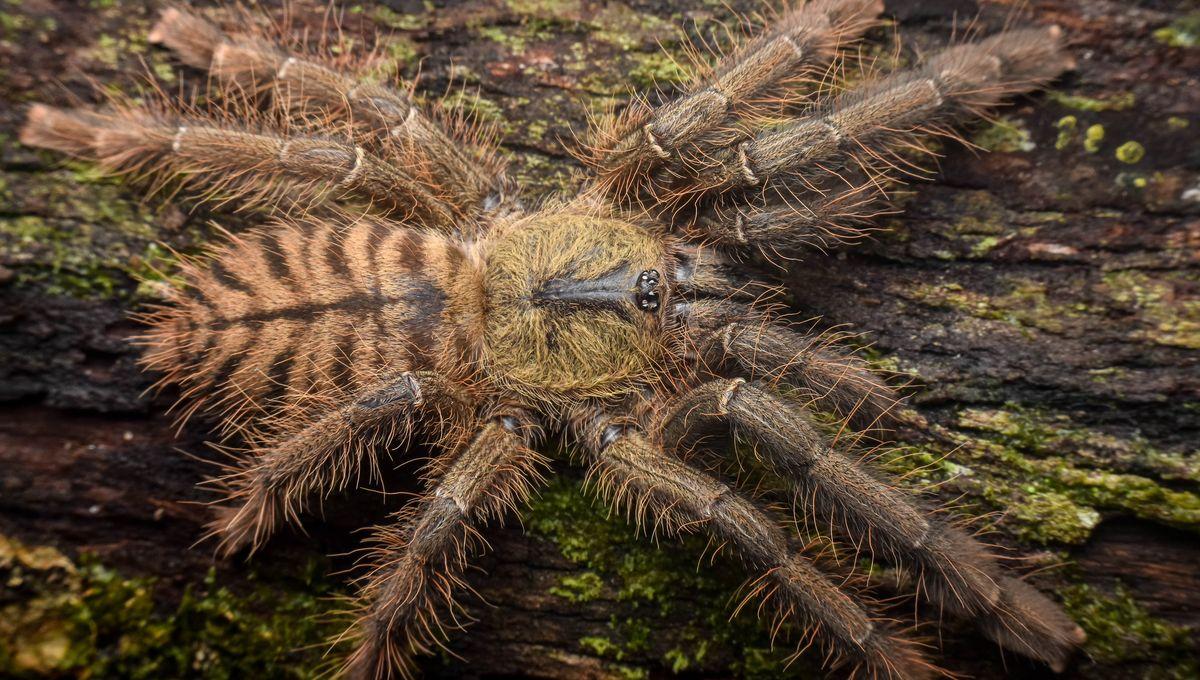
The Malaysian earthtiger tarantula was first described in 1891 by respected Swedish arachnologist Tamerlan Thorell. However, confusions around taxonomy have led to little being known about the wild habits of this unique-looking tarantula species.
The rest of this article is behind a paywall. Please sign in or subscribe to access the full content. Species known as Cyriopagopus schioedtei and Cyriopagopus thorelli were released to be identical and all now go by the name the Malaysian earth tiger tarantula or Omothymus schioedtei. The Malaysian earthtiger tarantula is endemic to Peninsular Malaysia and can be found across much of Southeast Asia. It is also a popular pet and is cared for across the world by spider enthusiasts. The Malaysian earthtiger tarantula is one of the largest tarantula species in the world with a reported leg span of 22 centimeters (8.7 inches) and a body length of just 4 centimeters (1.5 inches). This is up there with the big boys of the spider world: the goliath birdeater, which possesses a leg span of 28 centimeters (11 inches), and the giant huntsman, whose lanky legs see it crossing the 30 centimeter (12 inches) threshold. Not called the "earthtiger" tarantula for nothing, the species has long bands of dark color across its body. Males are sexually dimorphic and become bright beige to olive green as they mature; females are striped and much darker. *Shudder again* The species is arboreal, spending its time in trees of the tropical rainforest. It has a reputation for being very fast and defensive. It can be found in human-made structures such as bridges, but most younger animals hide behind loose bark, with the adults preferring mature trees. If colorful tarantulas are your thing then check out the beautiful rose hair tarantula from Chile, Argentina, and Bolivia with a slew of rose-colored pink hairs across its body. The pinktoe tarantula is also working hard, rocking adorable pink booties on each of its eight legs. In other tarantula news, four new species were discovered across the Arabian Peninsula and the Horn of Africa with a rather unusual trait separating them from other species. 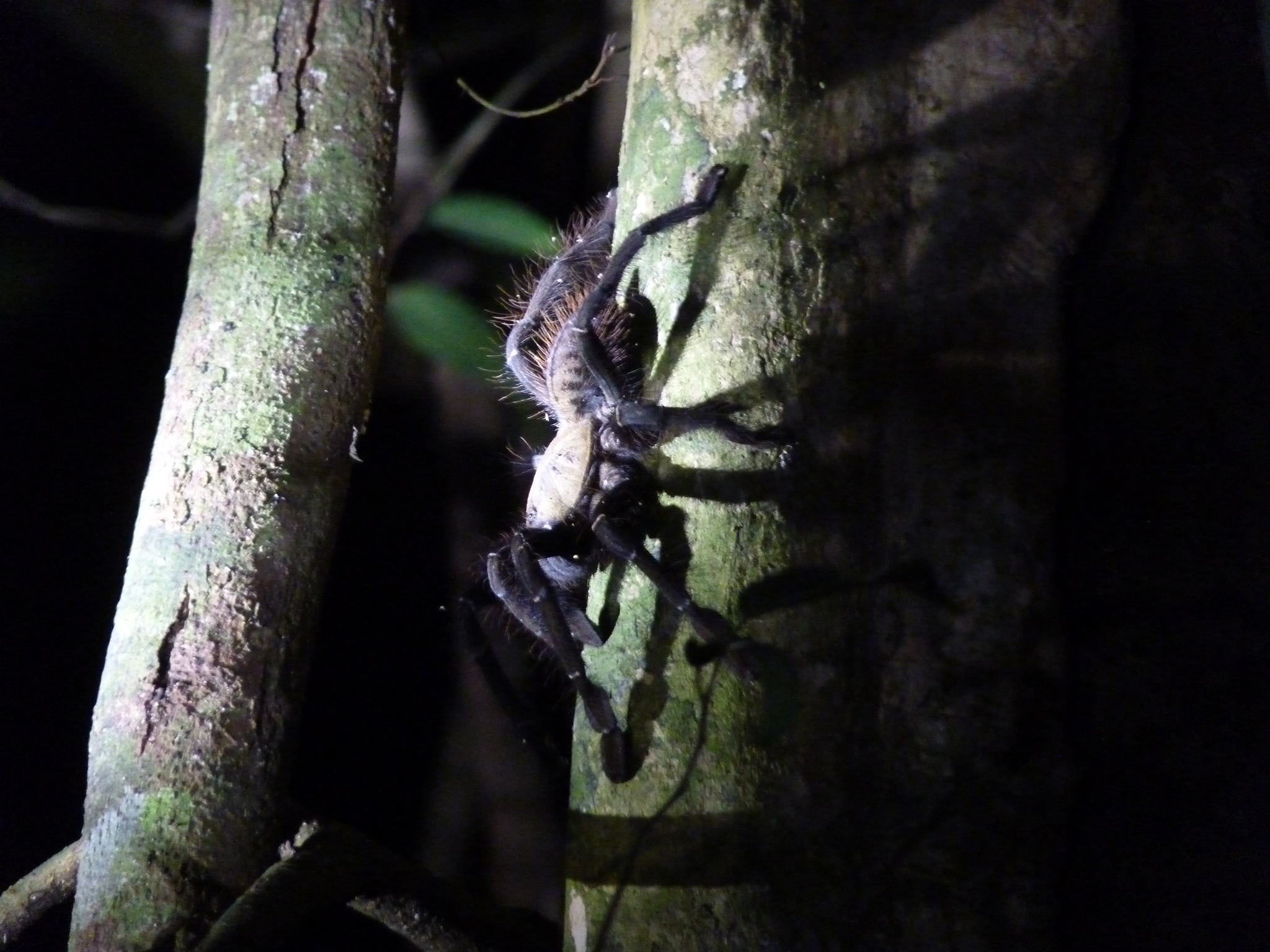


 English
 Arabic
 French
 Spanish
 Portuguese
 Turkish
 Dutch
Dutch
 Italiano
 Russian
 Romaian
 Portuguese (Brazil)
 Greek
Greek