


Watch As Two Meteors Slam Into The Moon Just A Couple Of Days Apart
Watch As Two Meteors Slam Into The Moon Just A Couple Of Days Apart
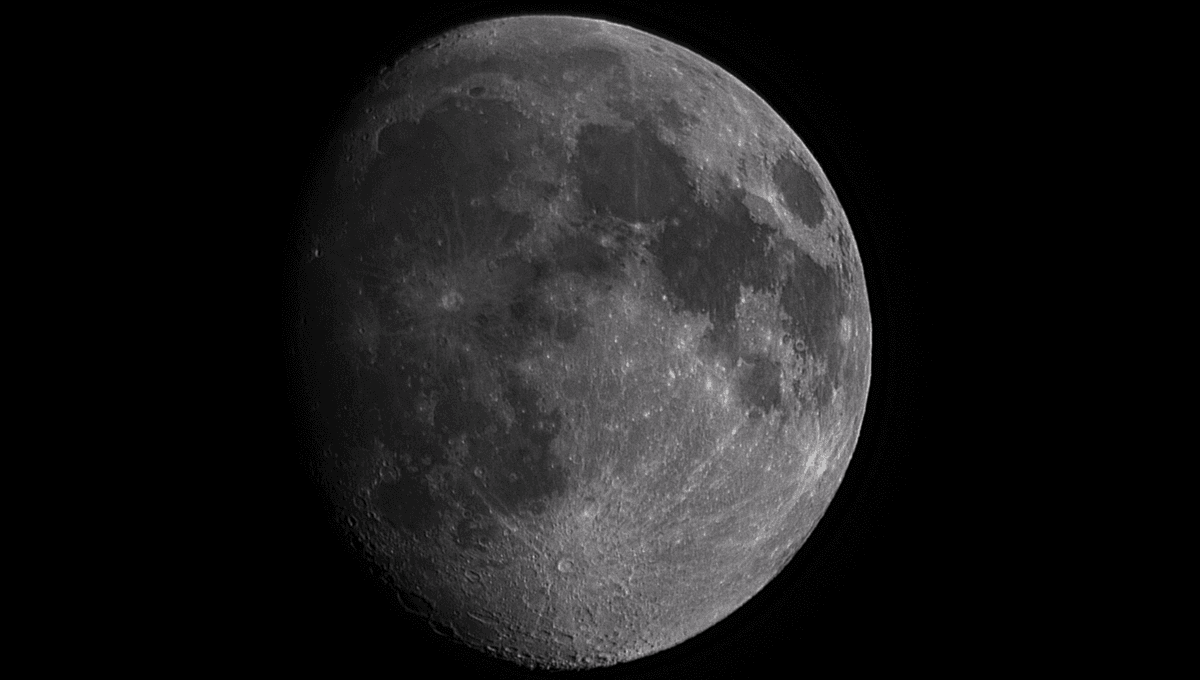
The Moon is notoriously difficult to photograph. Sometimes you want to snap a picture of it with your smartphone, and the flash goes off. It is much rarer that you are recording it and the flash happens on the Moon, but it does happen. That’s a meteor hitting our natural satellite and creating a new crater. A Japanese astronomer managed to capture it happening not once but twice, just a couple of days apart.
The rest of this article is behind a paywall. Please sign in or subscribe to access the full content. Daichi Fujii, a curator in charge of astronomy at the Hiratsuka City Museum, is not a beginner in tracking meteor impacts on the Moon. We have covered his videos before, but the latest work is a two-for-one. On Thursday, October 30, at 8:33 pm local time, with his setup pointed at the Moon, he captured a brief flash of light in the shadowed part of our satellite. ⓘ IFLScience is not responsible for content shared from external sites. Just two days later, on Saturday, November 1, at 8:49 pm, he caught another meteor in the act. ⓘ IFLScience is not responsible for content shared from external sites. Meteors that get to our planet do not make it to the ground; they burn in the atmosphere. Bigger ones, the fireballs and bolides, might fragment, and some pieces can reach the ground. But to make a crater, you need a really big chunk of rock. The Moon instead has no atmosphere. Meteors and fireballs cannot be seen before they impact, and they do impact. They are moving a 27 kilometers (17 miles) per second and once they get to the lunar soil, they form a glowing crater – an event that can be seen from Earth, as Fujii has amply demonstrated. We can just look at the Moon and see that it has been hit quite a fair bit. One estimate suggests that our satellite is hit by around 20 asteroids for every one that hits Earth. Catching that in the act is not very common but does happen, even during a lunar eclipse. Fujii suggests that those two meteorites might be either the Northern or Southern Taurids, two meteor showers active right now. The Southern Taurids, nicknamed the Halloween Fireballs, actually peak on November 2, so it is certainly possible. But it is also possible that it was an unrelated comet chunk, like the one that burned over Portugal on November 2, 2025, at 8:41 pm local time. It is very important to spot events like this. It provides insights into the risks astronauts may face on the Moon as well as the changes in asteroid strike abundance over time.

 Arabic
 French
 Spanish
 Portuguese
 Deutsch
 Turkish
 Dutch
Dutch
 Italiano
 Russian
 Romaian
 Portuguese (Brazil)
 Greek
Greek