


Ancient Micronesians Hunted Sharks 1,800 Years Ago, And Now We Know Which Species
Ancient Micronesians Hunted Sharks 1,800 Years Ago, And Now We Know Which Species
The Neolithic inhabitants of the South Pacific feasted on large, fast-moving marine predators, including multiple species of shark and tuna. By identifying the remains of these ancient meals at a 1,800-year-old site in Micronesia, researchers have begun to reveal the remarkable fishing strategies employed by these prehistoric hunter-gatherers.
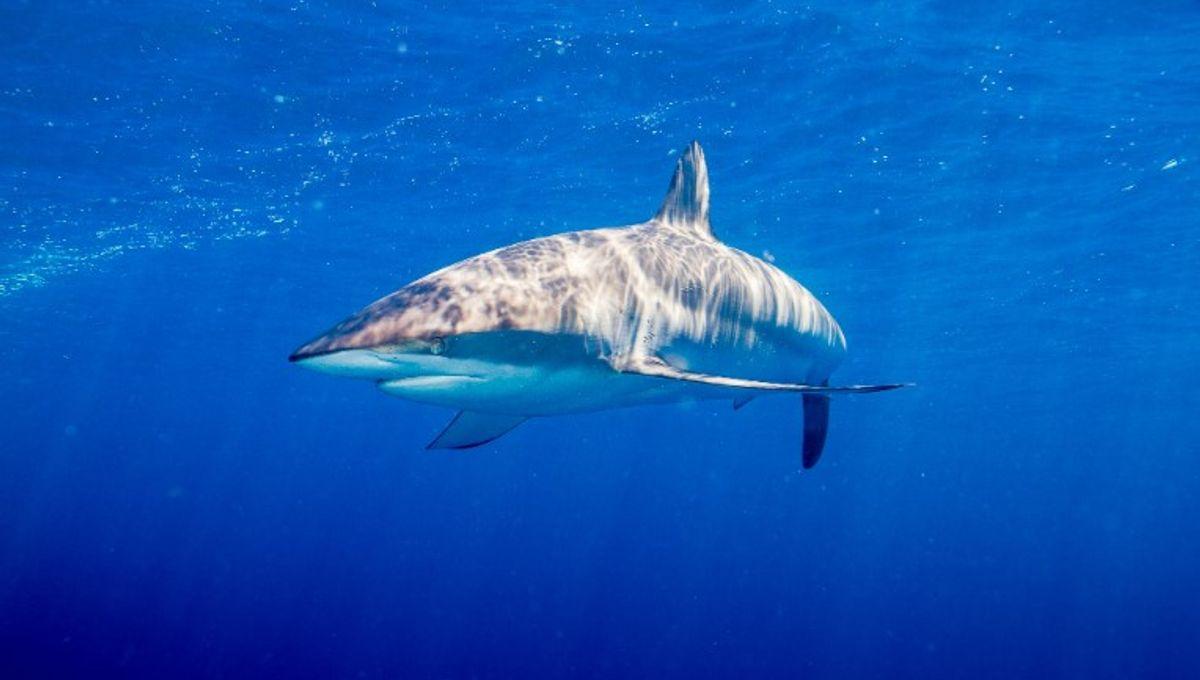
The rest of this article is behind a paywall. Please sign in or subscribe to access the full content. The new study focuses on the raised coral island of Fais, where excavations have revealed evidence that ancient humans consumed pelagic (or non-coastal) fish, including sharks and scombrids – a group encompassing open-water species like tuna, bonito, and mackerel. However, because these fish are difficult to identify using skeletal morphology – sharks don't have bones, they have cartilage, which doesn't fossilize as well – it was unclear exactly which species had been captured and eaten by the island’s early inhabitants. To resolve this uncertainty, the study authors used a method called Zooarchaeology by Mass Spectrometry (ZooMS) to analyze the bones discovered at the site and identify the exact species of fish that were hunted. Of the 77 scombrids included in the study, 75 turned out to be skipjack tuna, with the remaining individuals being identified as yellowfin tuna and wahoo. Among the 54 sharks, meanwhile, 20 were found to be silky sharks and 11 were identified as Galapagos sharks. A further 17 were tentatively categorized as silvertip sharks, although the researchers say they can’t be sure about this classification. Two whitetip sharks were also found, with the remaining shark specimens ultimately impossible to pinpoint. Nonetheless, the wide variety of species consumed by this prehistoric fishing community speaks to the complexity of their hunting strategies, targeting apex and mid-level predators as well as schooling fish, in both coastal and deep-water ecosystems. Yellowfin tuna, for instance, are typically found in deep offshore waters, while Galapagos sharks tend to reside in rugged reef environments. Skipjack tuna, meanwhile, usually swim close to the surface in large schools, while silky sharks have a tendency to tag along with these migrating tuna collectives. Exactly how the Neolithic inhabitants of Fais caught their aquatic prey remains unknown, although the study authors note that present-day Indigenous Micronesians fish “using a thick coconut fiber string (sennit cord) to encircle sharks on the water's surface… whereas tuna, on the other hand, are primarily caught through trolling with lures or hooks.” Unfortunately, however, no such fishing paraphernalia has been recovered from the archaeological site, making it impossible to discern if these same methods were used by prehistoric hunters. The study has been published in the Journal of Archaeological Science.

 English
 Arabic
 French
 Spanish
 Deutsch
 Turkish
 Dutch
Dutch
 Italiano
 Russian
 Romaian
 Portuguese (Brazil)
 Greek
Greek