


Birds, Hats, And Boycotts: The Story Behind Why It’s A Crime To Collect Feathers
Birds, Hats, And Boycotts: The Story Behind Why It’s A Crime To Collect Feathers
Spotted a pretty feather on the ground? It might be tempting to pick it up and pop it in your pocket, but that’s not as innocent an idea as it seems – you'd be committing a crime.
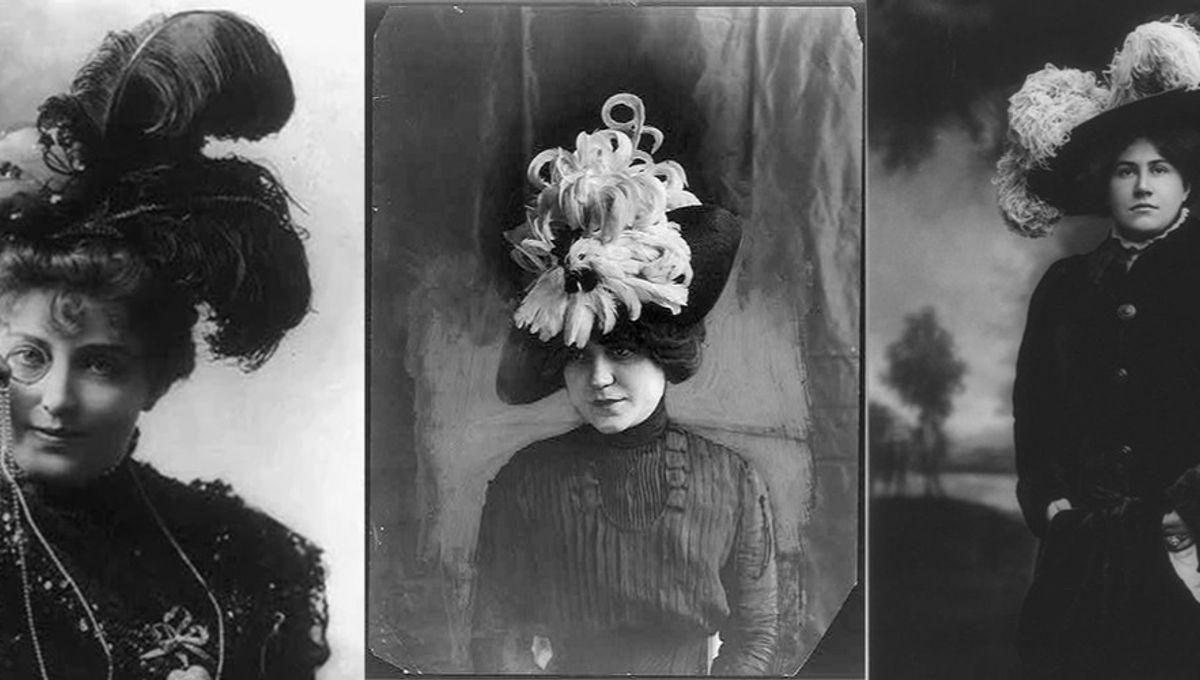
The rest of this article is behind a paywall. Please sign in or subscribe to access the full content. The reason why takes us all the way back to the late 1800s, in the Gilded Age. In those days, hats extravagantly decorated with feathers, or sometimes even parts of or entire dead birds, were the height of fashion among women in the US. Yep, you read that right – actual dead birds, and the more ostentatious, the better. “Some women even wanted a stuffed owl head on their bonnets and a full hummingbird wrapped in bejeweled vegetation as a brooch,” wrote history professor Douglas Brinkley in The Wilderness Warrior. Those freaky little Labubus seem pretty tame in comparison now, huh. As you can probably imagine at this point, behind the apparent “glamor” was a not-so-pretty picture. By 1886, “more than 5 million birds were being massacred yearly to satisfy the booming North American millinery trade,” wrote Brinkley. One of the most popular ways to jazz up hats was with the plumes of snowy egrets, and so great was the demand for these feathers that the birds were on the brink of being shot and plucked to extinction. In fact, according to the US Fish and Wildlife Service, there were over 60 bird species that faced extinction across the globe by the turn of the century as a result of the trend, and the lack of regulation surrounding it. This ended up capturing the attention of prominent Boston socialite Harriet Hemenway and her cousin, Minna Hall, who began spreading the word about the dark side of feathered headwear with tea parties and a “bird hat” boycott. This eventually transformed into the Massachusetts Audubon Society, whose campaigning helped to bring in the Lacey Act of 1900, banning the illegal killing of birds in one state to be sold in another. Then, thanks to further activism, came Migratory Bird Treaty Act of 1918, which is still in place today. Not only does this legislation prohibit the take (meaning killing, capturing, selling, trading, and transport) of migratory birds without a permit, but also any part of them or something that they produce, meaning nests, eggs, and feathers. There are some exceptions; the feathers of legally hunted waterfowl and migratory gamebirds are allowed, as is the use of feathers for cultural and religious purposes by Native Americans. And if you’re in a US national park, it’s not just feather collecting that could land you in hot water either. Taking any animal or plant, part of one, or something that they produce is strictly prohibited. Best to admire from afar, then. [H/T: Popular Science]

 English
 Arabic
 French
 Spanish
 Portuguese
 Deutsch
 Turkish
 Italiano
 Russian
 Romaian
 Portuguese (Brazil)
 Greek
Greek