


Did You Know The World’s Largest Waterfall Is Underwater?
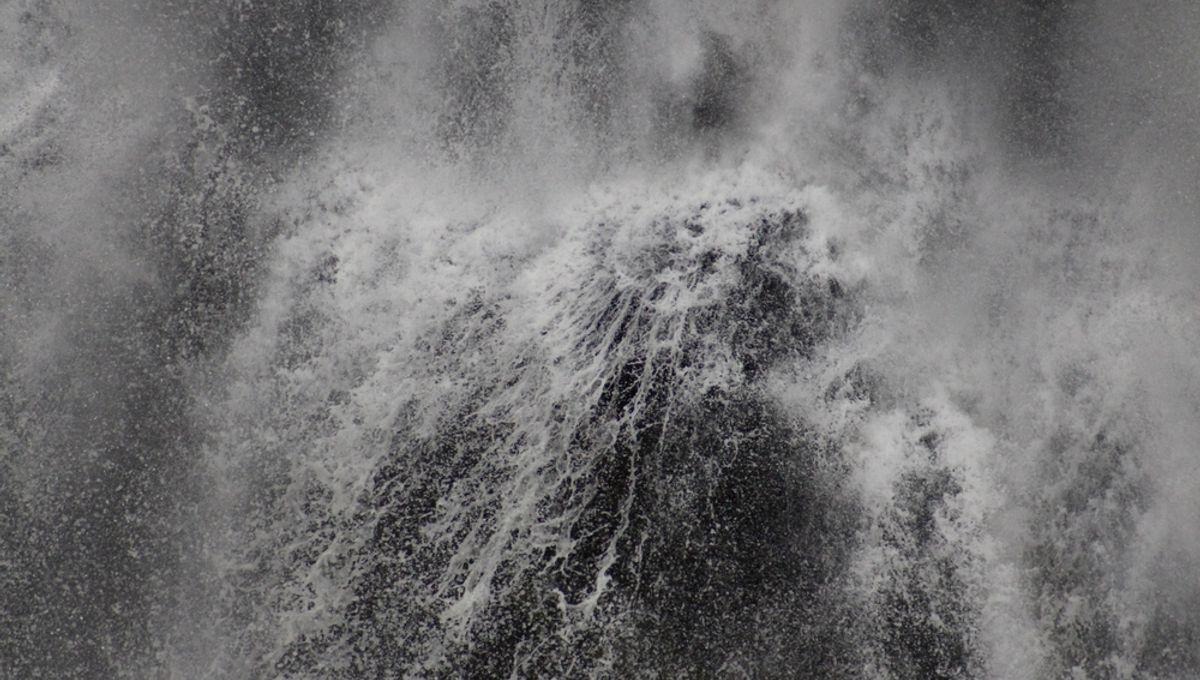
Did You Know The World’s Largest Waterfall Is Underwater?
Did you know the world’s largest waterfall is underwater? Us neither – every day’s a school day as they say. The tallest waterfall on Earth stands at a massive 3.5 kilometers (2.2 miles), next to which Angel Falls, the tallest uninterrupted waterfall over land, pales in comparison. So, where is this underwater behemoth?
The rest of this article is behind a paywall. Please sign in or subscribe to access the full content. The tallest waterfall is called the Denmark Strait cataract and can be found beneath the Denmark Strait between Greenland and Iceland. Here, water falls from the Greenland Sea into the Irminger Sea for over 3 kilometers, a drop that is more than three times the height of Venzuela’s iconic Angel Falls. The waterfall is also incredibly wide, spanning 160 kilometers (100 miles) and it plunges around 5 million cubic meters (175 million cubic feet) of water every second – that’s almost 2,000 Niagaras at peak flow. Nestled deep below the ocean’s surface, the cataract was discovered in 1989. We know you’re probably wondering how an underwater waterfall comes to be – after all, how does water “fall” underwater? According to the National Ocean Service, it’s all to do with the water’s temperature. Cold water is denser than warm water, and so when the frosty, southward-flowing water from the Nordic Seas meets the more balmy water of the Irminger Sea, it sinks. The colder, denser water is forced below the warmer water, flowing over a colossal drop in the sea floor to create a beast of a waterfall. Unfortunately, global warming is no friend of an underwater waterfall. As climate change continues to ramp up, the oceans are getting warmer and there’s a greater influx of freshwater, as well as less sea-ice formation, all of which results in a reduction in the volume of cold, dense water flowing downwards. “A good example is on the Catalan coast, where the decrease in the number of tramontane days in winter in the Gulf of Lion and north of the Catalan coast is causing a weakening of this oceanographic process, which is decisive in regulating the climate and has a great impact on deep ecosystems,” Professor Anna Sanchez-Vidal, who is leading an expedition to investigate the Denmark Strait cataract, said in a statement. Here’s hoping the world’s largest waterfall fares better. Fancy ogling some more underwater marvels? Look no further than Thor’s Well, the drainpipe of the Pacific”. An earlier version of this article was published in 2023.Where is the world’s largest waterfall?
But… how?

 Arabic
 French
 Spanish
 Portuguese
 Deutsch
 Turkish
 Dutch
Dutch
 Italiano
 Russian
 Romaian
 Portuguese (Brazil)
 Greek
Greek