


 PUBLISHED

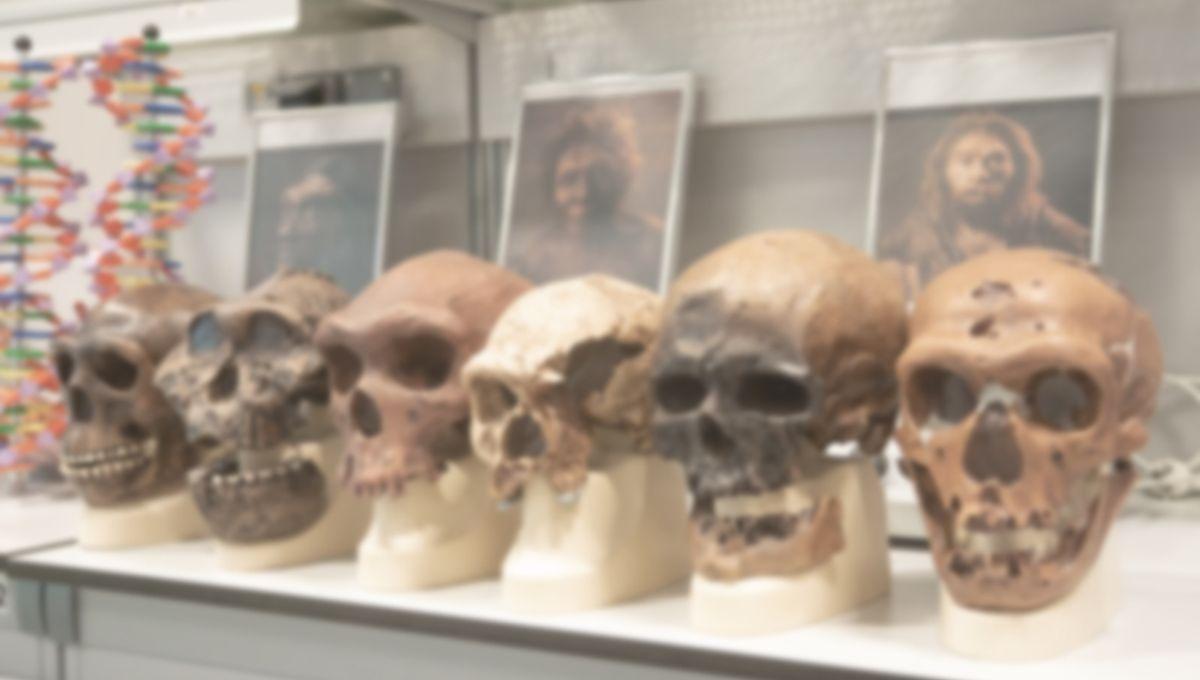
A gene that was carried by both Neanderthals and Denisovans causes mice to develop larger heads, twisted ribs, and shortened spines, according to the results pushlished in the journal Frontiers. Researchers used CRISPR gene editing technology to insert the ancient genetic code into rodents in order to understand how it might have contributed to the body shape of our extinct relatives.
The rest of this article is behind a paywall. Please sign in or subscribe to access the full content. The gene in question is known as GLI3 and plays a vital role in embryonic development in modern humans. Mutations within this gene are associated with physical malformations such as polydactyly - which refers to the growth of extra fingers or toes - and the deformation of the skull. Neanderthals and Denisovans both carried a slightly altered version of the GLI3 gene, in which an amino acid at one end of the coding region is substituted. However, neither of these ancient species had an abnormal number of digits or life-threatening cranial defects. As the study authors point out, though, these extinct hominid species displayed several morphological characteristics that differed from those of modern humans, “including elongated and low crania, larger brow ridges, and broader rib cages.” To determine how the ancient form of the GLI3 gene might have affected the development of our extinct cousins, the researchers first engineered mice to carry a faulty version of the gene. This caused the rodents to develop severe skull and brain deformities as well as polydactyly, illustrating how a functioning version of the gene is essential for healthy embryonic growth. In contrast, mice that were engineered to carry the version of the gene possessed by Neanderthals and Denisovans exhibited “altered skeletal structures, such as enlarged cranium, altered shapes of vertebrae, and rib malformations.” These findings suggest that the ancient gene didn’t completely disrupt embryonic development, but did alter the morphology of ancient humans. Compared to regular mice, those with the archaic gene had fewer vertebrae and stronger rib torsion, mirroring the differences between modern humans and Neanderthals. Some of these mice also “exhibited asymmetric shapes of rib cages associated with scoliosis,” the study authors explain. This is particularly intriguing, since recent studies into Neanderthal pathologies have indicated that the extinct species may have been susceptible to scoliosis and macrocephaly – or enlarged head size. Overall, then, it appears that the archaic version of the GLI3 carried by certain extinct hominids may have been at least partially responsible for their characteristic head and body shapes. According to the researchers, “these traits are linked with the predicted lifestyles of Neanderthals, suggesting that [the ancient gene] provided beneficial traits for extinct hominins.” The study is published in Frontiers.


 English
 Arabic
 Spanish
 Portuguese
 Deutsch
 Turkish
 Dutch
Dutch
 Italiano
 Russian
 Romaian
 Portuguese (Brazil)
 Greek
Greek