


 PUBLISHED

Many non-avian animals are capable of some form of flight. Here, we take a look at these soaring species and how they make it off the ground.
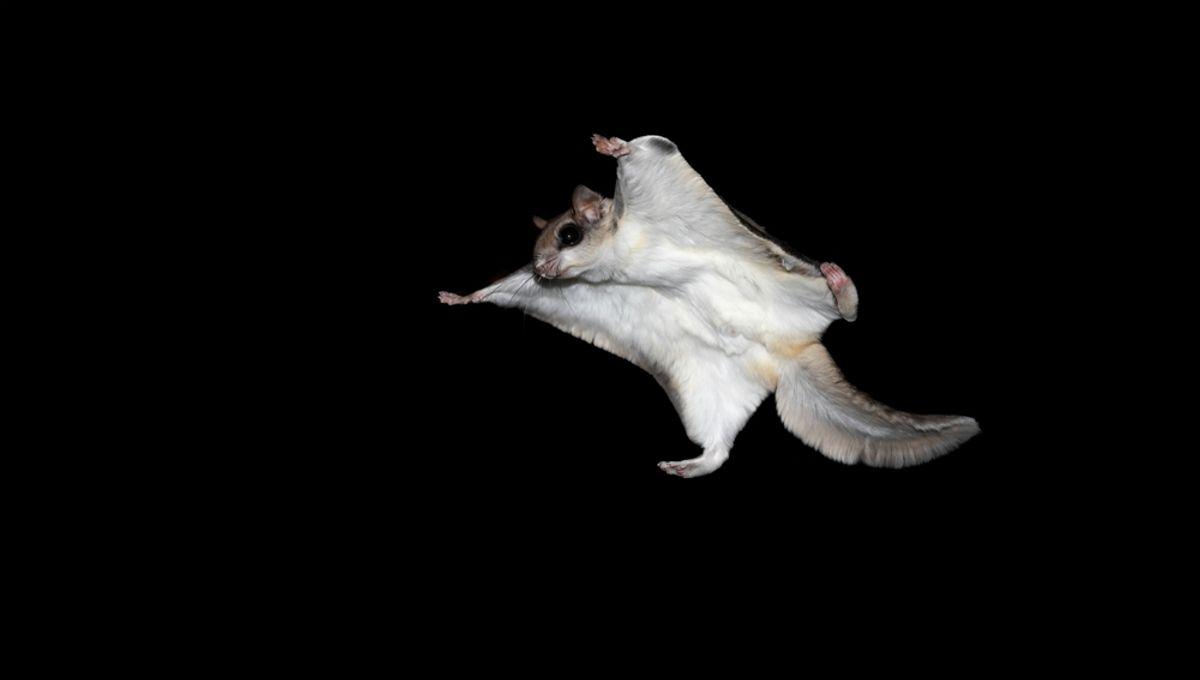
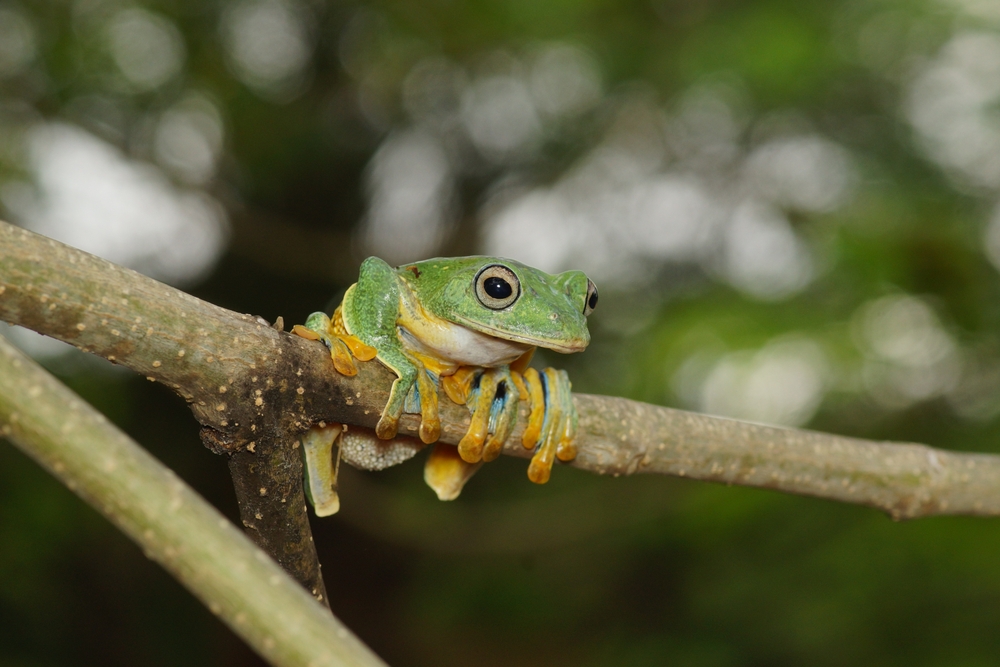
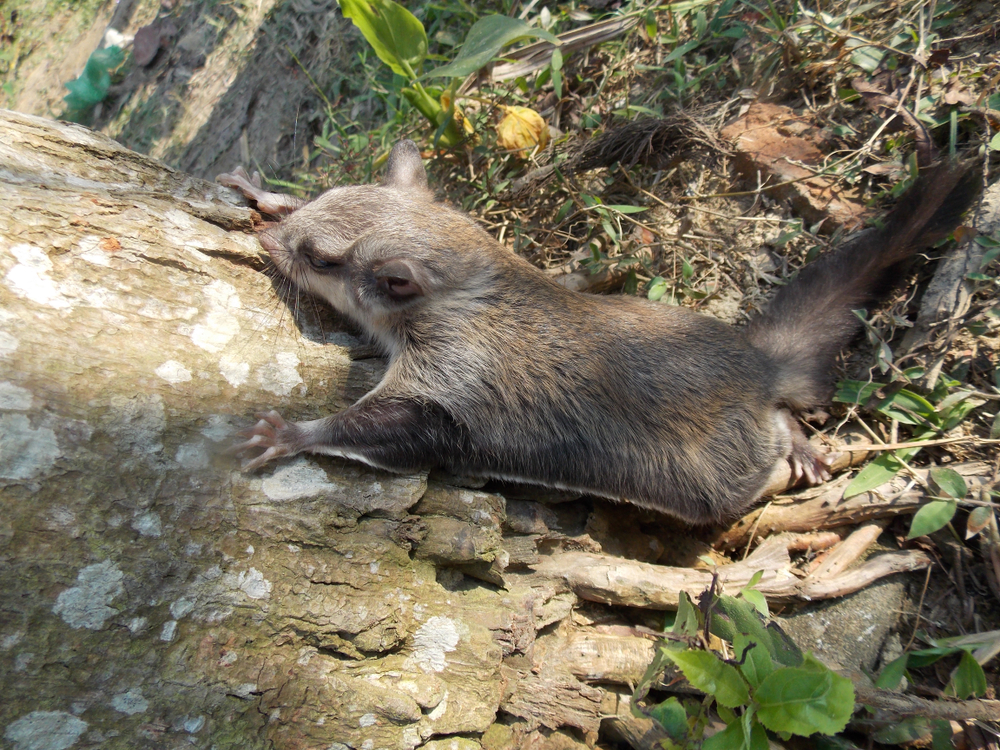
The rest of this article is behind a paywall. Please sign in or subscribe to access the full content. Let’s get one thing straight. All the animals in the first part of our list are really only capable of gliding. They use various evolutionary adaptations to slow their descent to Earth. As we’ll see, that doesn’t make them any less impressive. At least 40 different kinds of fish can fly. These animals have bullet-like bodies that help them build up speed underwater, and well-developed wing-like fins that help them glide above the ocean. These fish are always small, reaching a maximum size of about 18 inches. Species can have two or four “wings” and can hit a speed of 16 km/hour in their airborne excursions. Flying fish are thought to have evolved this behavior to help them escape predators. The longest recorded flying fish glide, in Kagoshima, Japan, was clocked at 45 seconds. In that time, waterbound predators like tuna will be left out of the chase. As if hiking through the dense jungles of Borneo didn’t present enough hazards already, intrepid walkers should be aware of the small risk of being hit by a flying frog. Named after biologist Alfred R. Wallace, this frog spends its life in the jungle’s thick trees. When it spots unsuspecting prey, the frog splays its webbed feet and takes to the air. This allows the frog to glide, up to a distance of around 50 feet. Their giant toe pads help them grab on to their chosen landing spot. Wallace's flying frog (Rhacophorus nigropalmatus) Image Credit: Hendry Hamim/Shutterstock.com Although they are only around four inches long, Wallace's flying frog is the largest of several hundred species of flying frog. Not wanting to be outglided by fish and reptiles, some mammals can also temporarily soar above the ground. This group includes any one of roughly 50 species of flying squirrel. These animals are equipped with a built-in wingsuit, called a patagium. This membrane, reaching between their front and back limbs, catches the air when they leap from treetops. Flying Squirrel Image Credit: Moushomi/Shutterstock.com This group of animals includes the petite (like the three-inch dwarf flying squirrel) and the large (the giant flying squirrel is several feet long from head to tail). All are nocturnal animals that build nests in trees and rarely, if ever, touch the ground. Aside from birds, true flight—powerful wing flaps allowing long, soaring traversals—has only evolved three other times. Ancient pterosaurs are very cool but very extinct, so that leaves us with these two extant examples. Bats are the only true flying mammals. Over 1,500 species of bat have been identified, from huge flying foxes down to minuscule bumblebee bats. This diverse group includes animals that eat exclusively insects, some that feed on nectar or fruit, and just three that drink blood. Bats fly using their hand-mimicking wings, which have large patagia stretched between the “digits”. Bat wings feature many joints, which give them unrivaled maneuverability mid-flight. While we will all have sometimes wished that the mosquitoes and wasps of the world had not evolved the ability to fly, we have to accept facts. There are over 160,000 species of flies alone, and hundreds of thousands more insect species can also take to the skies. In flies, a single gene, called spalt, is essential for flight, and it converts muscles from normal leg muscles into coordinated flight muscles that enable flies to rapidly beat their wings and lift off. Other insect species have their own bespoke flight mechanisms. These help them pollinate flowers, escape predators, and hunt down food sources. Just remember this the next time you get stung by an airborne bug: without insect flight, our green world would likely be a desert wasteland. The Gliders
Flying fish (Exocoetidae)
Wallace's flying frog (Rhacophorus nigropalmatus)
Flying squirrels (Pteromyini)
The True Fliers
Bats (Chiroptera)
Insects



 English
 Arabic
 French
 Portuguese
 Deutsch
 Turkish
 Dutch
Dutch
 Italiano
 Russian
 Romaian
 Portuguese (Brazil)
 Greek
Greek