


This Pill Is Actually A Tiny Printer That Repairs Internal Injuries Using Biocompatible Ink
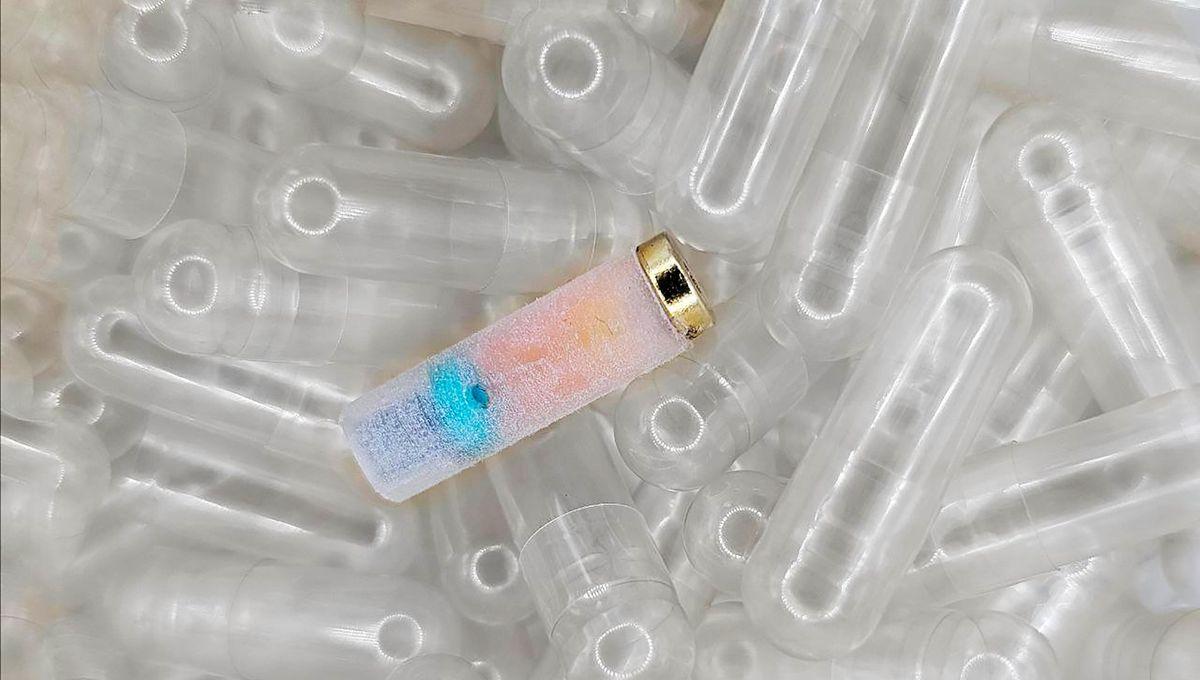
This Pill Is Actually A Tiny Printer That Repairs Internal Injuries Using Biocompatible Ink
Some of us still remember when fax machines were the height of technology, so it’s safe to say this one blew our minds a little bit. Scientists have developed a pill-sized bioprinter, designed to be swallowed and then to use “living” ink to repair damage inside the body. When it’s done its job, you simply yank it back out using a magnet.
The rest of this article is behind a paywall. Please sign in or subscribe to access the full content. Developed at the Laboratory for Advanced Fabrication Technologies at the École Polytechnique Fédérale de Lausanne (EPFL), the miniature printer takes lessons from other types of so-called “untethered” technologies that are in development. Think microscopic robots that can be set to work clearing out blood vessels, or “pill cams” that image the intestines without the need of an attached endoscope. “By combining the principles of in-situ bioprinters with the drug release concepts of smart capsules, we can envision a new class of device: a pill-sized, swallowable bioprinter,” said lab head Vivek Subramanian in a statement. Where this type of technology could come into its own is in repairing soft tissue injuries inside the gastrointestinal tract. Currently, ulcers and hemorrhages generally have to be repaired surgically, but this would be a noninvasive option. Bioprinting is similar to 3D or regular printing, except that the “ink” used is a biocompatible material that acts as a scaffold for new tissue to form onto. It’s the miniaturization of all this that’s so unique here. The authors actually describe their device as being more like a ballpoint pen than a printer, with a reservoir of bio-ink and a spring-loaded mechanism to push it out. The bio-ink can be deposited over the injured area like applying a dressing, protecting the damaged tissue underneath and allowing it to heal. In order to do that successfully, it must make contact with the walls of the gastrointestinal tract in the right place, which is tricky to navigate – it’s a known problem with other types of untethered devices that they can be harder to steer when they touch tissue walls. There are no electronics inside the miniature printer – or, to give it its proper name, the Magnetic Endoluminal Deposition System (MEDS). Once swallowed, its progress can be tracked externally. Then, at the right time, surgeons or scientists on the outside can use a near-infrared laser – which can penetrate the body wall without causing harm – to trigger the release of the bio-ink. The capsule is steerable using an external magnet on a robotic arm. That’s also how you can get it back out again, guiding it in reverse until it can be retrieved orally. The external magnet used to steer and retrieve the device. Image credit: 2025 LAFT EPFL (CC BY-SA) But does it actually work? First, the team tried some in-vitro experiments, repairing simulated gastric ulcers and a hemorrhage with success. Then, they moved into actual bodies – but not those of humans just yet. In rabbit experiments, they demonstrated how the bio-ink could be deposited and the device steered as intended. “In our controlled lab experiments, our cell-laden bio-ink retained its structural integrity for over 16 days, suggesting its potential as a ‘micro-bioreactor’ that can release growth factors and recruit new cells for wound healing,” said first author and PhD student Sanjay Manoharan. More studies are needed, and the team is also keen to try it out in other tissues, such as blood vessels and the peritoneum, which lines the abdomen. But honestly, they had us at tiny, swallowable printer. Sometimes science is just… cool. The study is published in the journal Advanced Science. 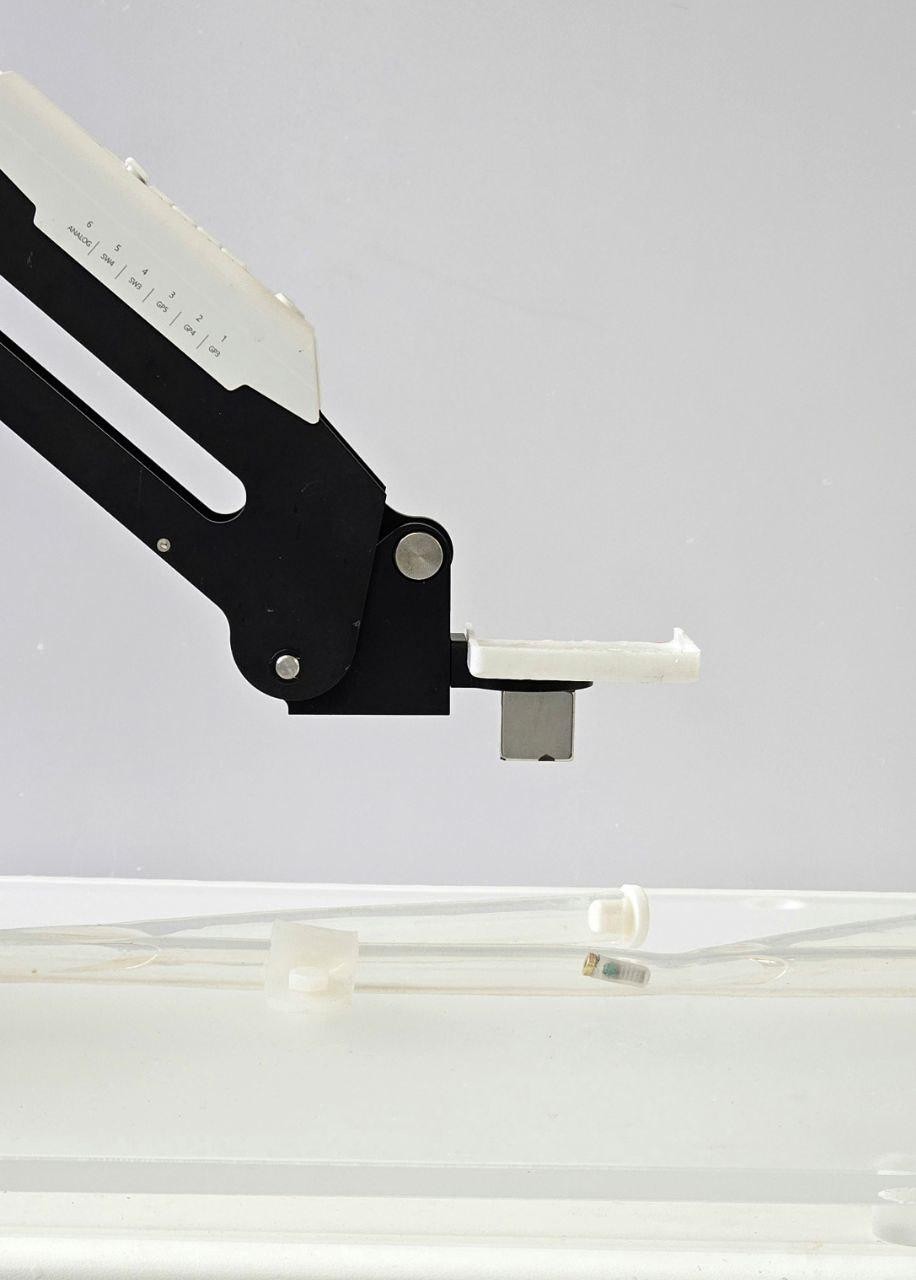

 English
 Arabic
 French
 Spanish
 Portuguese
 Deutsch
 Turkish
 Dutch
Dutch
 Russian
 Romaian
 Portuguese (Brazil)
 Greek
Greek