


COVID-19 Can Alter Sperm And Affect Brain Development In Offspring, Causing Anxious Behavior
COVID-19 Can Alter Sperm And Affect Brain Development In Offspring, Causing Anxious Behavior
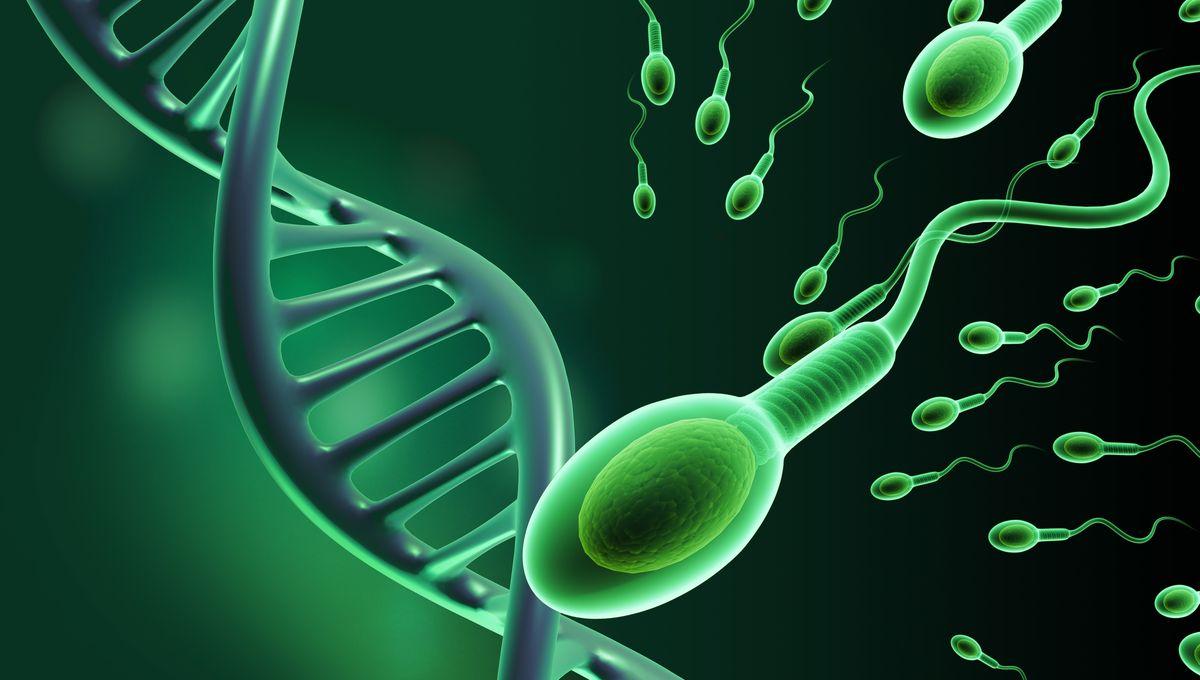
The effects of a COVID-19 infection can sometimes persist for months or years after the initial symptoms have gone, but could some of the impact even be transferred to the next generation? Scientists studying male mice infected with SARS-CoV-2 discovered that it could alter their sperm, leading to behavioral changes in their offspring. It remains to be seen whether the same is true in humans.
The rest of this article is behind a paywall. Please sign in or subscribe to access the full content. “We already knew that when male mice were exposed to specific environmental and lifestyle factors, like poor diet before mating, it could change brain development and behaviour in offspring,” said lead researcher Professor Anthony Hannan from The Florey Institute of Neuroscience and Mental Health in a statement. “This is because the father’s experiences can alter the information carried in sperm, including specific RNA molecules, which transmit instructions for offspring development.” Research had already shown how COVID-19 – which we know has effects way beyond the respiratory system – can alter sperm, potentially hanging around for up to 110 days. The team wanted to investigate whether COVID also had the potential to cause this type of RNA damage. Male mice were infected with a rodent-adapted version of the SARS-CoV-2 virus and were monitored while they recovered. It took them 7-10 days to clear the infection, and body weight loss was used as a proxy for infection severity. In order to limit the experiment to mice with moderate or severe COVID, only those with 9-15 percent weight loss were taken forward. Four weeks later, the mice were mated, as well as a group of control-infected males. The offspring underwent a series of behavioral tests from 8 weeks of age, measuring things like learning, memory, movement, and indicators of anxiety and depression. “We found that the resulting offspring showed more anxious behaviours compared to offspring from uninfected fathers,” said first author Dr Elizabeth Kleeman. All of the mice showed these behavioral signs, but the female offspring also had genetic alterations affecting gene activity in the hippocampus. “These kinds of changes in the hippocampus, as well as other brain regions, may contribute to the increased anxiety we observed in offspring, via epigenetic inheritance and altered brain development,” explained Dr Carolina Gubert, co-senior author of the study. As they suspected, the team found that the culprit appeared to be RNA molecules in the fathers’ sperm. COVID had altered a range of small, noncoding RNA molecules, some of which are known to have regulatory roles in brain development. The team also went further by generating “grand-offspring” – they mated the first round of offspring with a group of new females, to see if any changes could be noted in the next generation down. While they did observe significantly smaller litter sizes in the paternal COVID group, as well as smaller body weights in the pups prior to weaning, there were no significant behavioral changes in the grandkids of infected vs. uninfected mice. These findings are the first of their kind, but it’s important to note that the only conclusions that can be drawn from them relate to mice. The World Health Organization has recorded almost 7.8 million COVID infections globally to date; that’s a lot of possibly impacted sperm if these results are found to apply to humans too, but we can’t know for sure that that’s the case. “While more research is needed, particularly in the sperm and offspring of humans infected with the SARS-CoV-2 virus, these findings suggest that the COVID-19 pandemic could have long-lasting effects on future generations,” said Professor Hannan. “Our discoveries highlight the importance of understanding the impacts of this virus and infectious disease, not only on those directly infected, but also on their children who may be affected by their parent’s experience with COVID-19.” The study is published in Nature Communications.

 English
 Arabic
 French
 Spanish
 Deutsch
 Turkish
 Dutch
Dutch
 Italiano
 Russian
 Romaian
 Portuguese (Brazil)
 Greek
Greek