


Scientists Read The Shells Of Clams That Live For 500 Years, And They Tell A Troubling Story
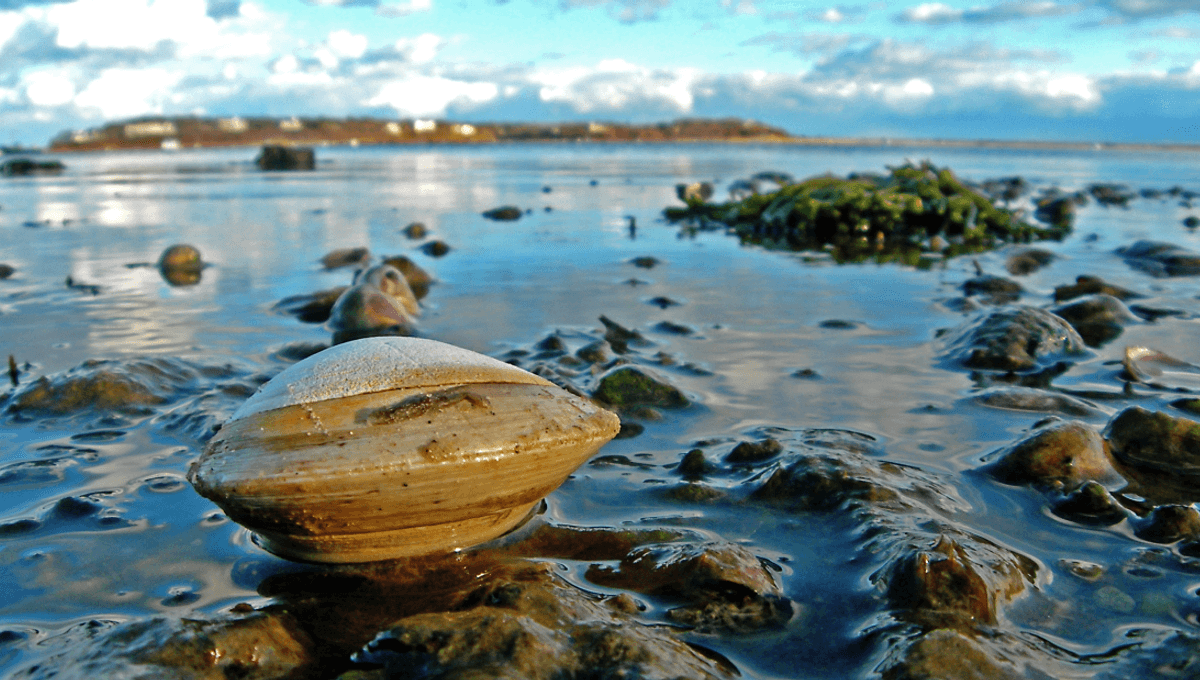
This Clam Is One Of The World’s Longest-Living Animals, And It Has Troubling News About The Future
How can we predict the future? A good way is to look into the past, and who better to ask than one of Earth’s longest-living animals: the quahog clam.
The rest of this article is behind a paywall. Please sign in or subscribe to access the full content. These modest mollusks don’t look like much, but their shells tell a staggering story as they store a record of the environmental conditions across their lifespan. For quahog clams, that can be as long as 500 years, and now scientists have figured out how to read that record and use it to anticipate what the future may hold for our oceans. The bad news? The findings suggest we may be approaching a “tipping point” for Atlantic Ocean currents. It’s important for us to be able to predict these pivotal moments, as it can help us to better prepare for the future, but we don’t always have the data we need to do that. Thankfully, we do have clams. “Anticipating a tipping point requires good data, covering a long period with no gaps,” said Dr Beatriz Arellano Nava in a statement. “We don’t have ocean observations going back into the distant past, but the bands in clam shells give us an unbroken annual record covering hundreds of years.” Get a load of these growth rings. No, not from a tree, but a dog cockle shell. Image credit: David Reynolds Quahog clams aren’t the only oracles for this kind of research, which also looked to the shells of dog cockles as they, too, provide a year-by-year account of past ocean conditions. By gathering these samples and taking a close look at the growth rings of the shells, a team of scientists were able to use these “natural archives” to understand long-term patterns in Atlantic Ocean currents. The findings revealed evidence of “stability loss” that could mean we’re “moving towards a tipping point,” an event that could have far-reaching consequences for the global climate. “When a system is stable, there will still be variations – but we would typically see a rapid return to the normal state after a change,” said Professor Paul Halloran, from the University of Exeter’s Global Systems Institute. “When a system destabilises, it doesn’t recover as quickly – and this could be a sign of an approaching tipping point.” The shells provided evidence of two destabilization events in the last 150 years, one in the early 20th century and the other beginning in 1950 and continuing to the present day. Given that the first one was linked to warming of the Arctic and North Atlantic in the 1920s, the ongoing destabilization could have a similar influence on the global climate. “Although we cannot yet say which part of the system is losing stability, or what may be causing it, our results provide independent evidence that the North Atlantic has lost stability – suggesting that a tipping point could be approaching,” Dr Arellano Nava said. “Because these circulation systems are interconnected, it is not clear whether the [Atlantic Meridional Overturning Circulation], the [subpolar gyre], or both are driving the signals we see – but any tipping point would have major implications for the climate.” “Melting of polar ice due to climate change is certainly contributing to the weakening of ocean currents and pushing them closer to a tipping point, so rapidly reducing greenhouse gas emissions is the best way to prevent tipping points in the Atlantic Ocean.” The study is published in the journal Science Advances.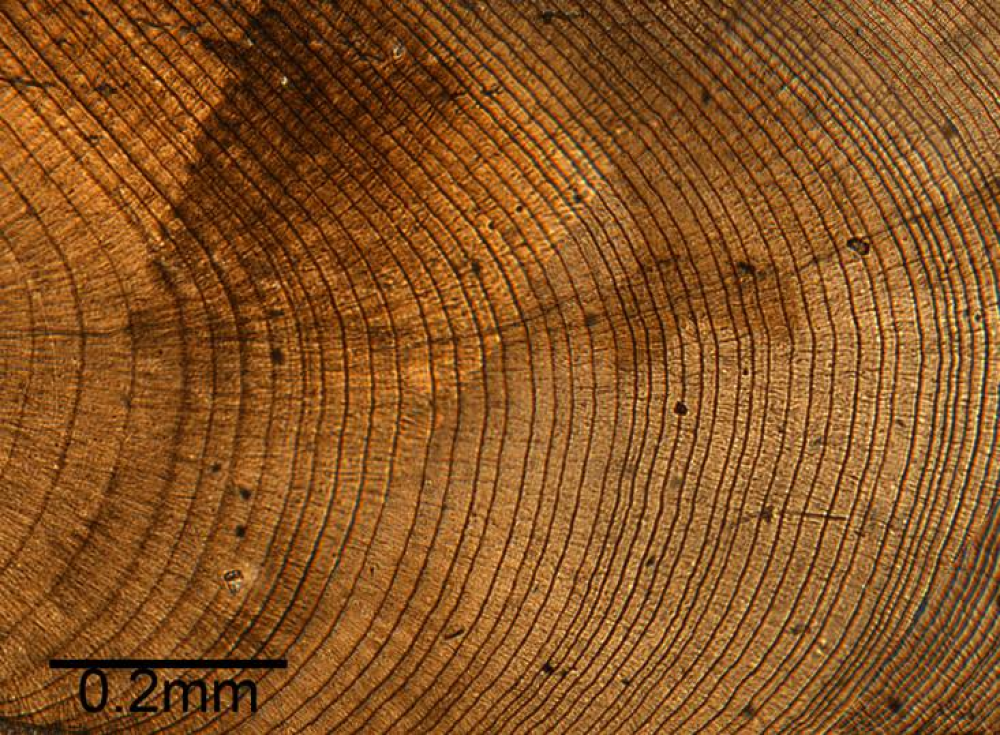

 English
 Arabic
 French
 Spanish
 Portuguese
 Deutsch
 Turkish
 Dutch
Dutch
 Italiano
 Romaian
 Portuguese (Brazil)
 Greek
Greek