


First Evidence For Chubby Cheeks In Dinosaurs Challenges Our Understanding Of How They Chewed
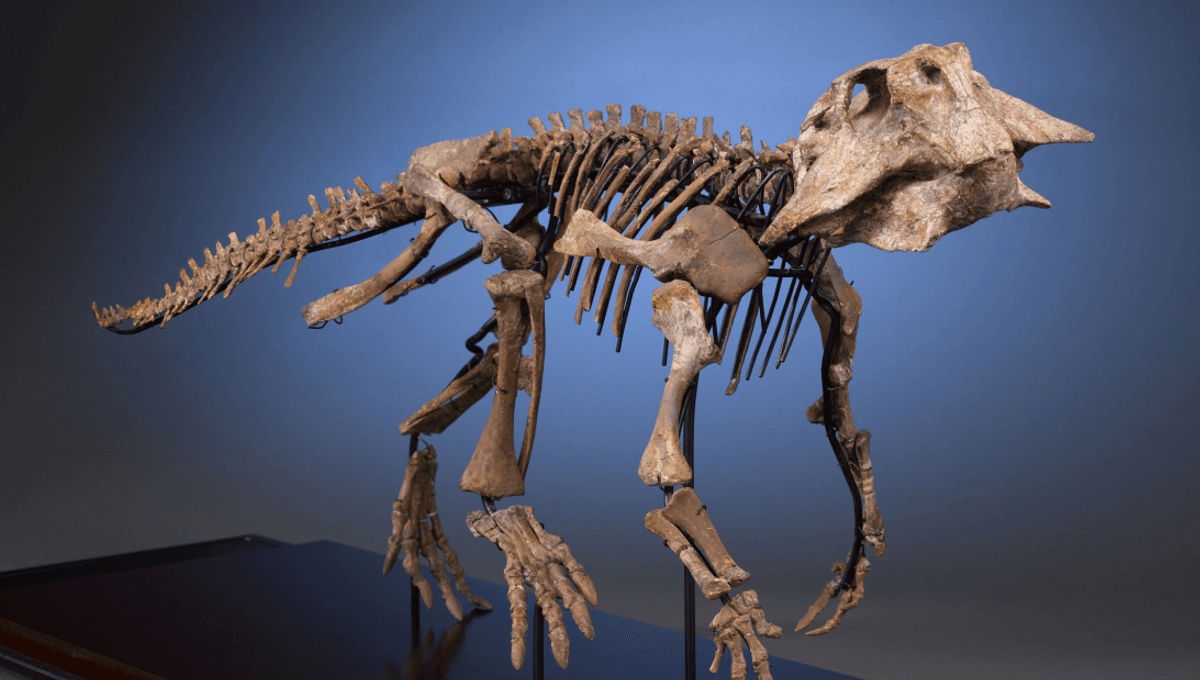
Great News Everybody! Some Dinosaurs May Have Had Lovely Chubby Cheeks
When we think of dinosaurs, images of bones and lean, reptile-like beasts come to mind, but a new study may have just revealed a softer side to dinosaurs: chubby cheeks. Technically known as soft buccal tissue, it’s being described as an “unexpected” find, changing what we know about how their lower jaw connected to the rest of the skull.
As mammals, we humans pack some sizable cheeks on either side of our faces. There’s some skin and fat, but also important muscles and ligaments that connect the lower jaw – known as the mandible – to an area of the skull known as the zygoma. Reptiles typically lack these connective tissues, and for a long time, we have been recreating dinosaurs with a craniomandibular setup that looks more reptilian than mammalian. In short, no dinosaur cheeks. This makes sense because of something known as phylogenetic bracketing, where we look to close living relatives to work out how another animal might have looked and behaved. Though some dinosaur skulls (including Psittacosaurus, pictured above) have bony structures that might indicate some kind of muscular attachment here, we’ve typically left out the mammalian-like masseter in dinosaurs. However, that might be about to change thanks to a new study that’s taken a very close look at the external skull morphology of lots of dinosaurs. They looked for signs in the bone that could indicate where connective tissues were attached and then innovated a new methodology for working out the orientation of the missing soft tissue (a methodology they’re calling, adorably, THLEEP – not sleep with a lisp, but “Three-dimensional HistoLogical Enthesis Entry-angle Prediction"). They then took 10 specimens for further histological investigation and discovered that for most dinosauriforms studied, there was evidence of connective tissues between the zygomata and mandible. They’ve given this soft buccal tissue a new name, exoparia, and it could have big implications for our understanding of how dinosaurs chewed. “We hypothesise a strong connective tissue structure bridging the zygoma and mandible in dinosaurs, termed the ‘exoparia’,” wrote the authors. “This structure's size and proximity to the craniomandibular joint would be advantageous in stabilising the mandible relative to the cranium during jaw movement, particularly in dinosaurs thought to process their masticate.” We unfortunately don’t have any fossilized dinosaur cheeks to confirm this (a girl can dream, though). If correct, however, the exoparia could have big implications for how we interpret skull anatomy and dinosaur feeding habits. Perhaps their jaws were more mammalian than previously realized, and if so, that suggests the possibility of horrible dinosaur chewing sounds (don’t make me bring up T. rex lips again). Anyone for a bit of dinosaur ASMR? The study is published in the Journal of Anatomy.

 English
 Arabic
 French
 Spanish
 Portuguese
 Deutsch
 Turkish
 Dutch
Dutch
 Italiano
 Russian
 Portuguese (Brazil)
 Greek
Greek