




Almost anything can happen when we fall asleep. Dreams can take us flying, they can see us living out our dreams, or realizing our worst nightmares. Fortunately, we stay safely in our beds while all the drama is unfolding, but why is that? Why don’t humans act out their dreams?
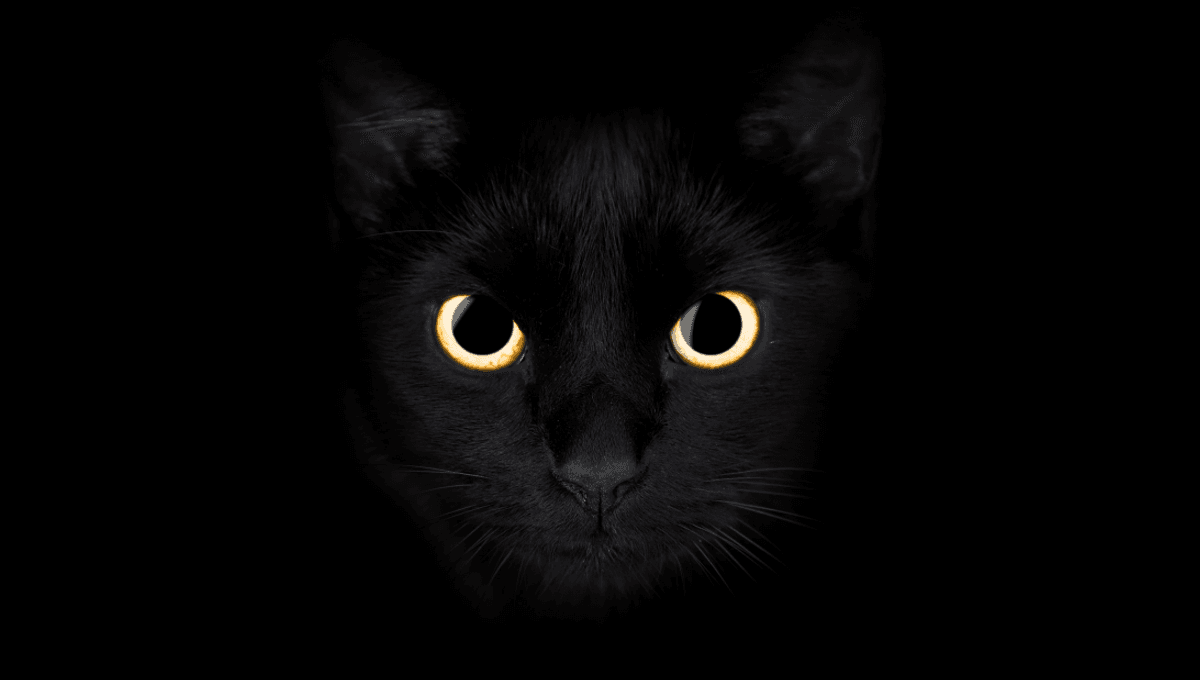
A pivotal moment in our understanding of the internal mechanisms that keep us in our beds unfolded in the 1960s and 70s when French neuroscientist Michel Jouvet, a pioneer in sleep research, got curious about REM sleep and dreaming behaviors. One of his many experiments involved essentially zapping a part of the brain stem in cats to see how creating a lesion on a region known as the dorsal pons affected their sleep behavior. The study used little electroencephalograms (EEGs) strapped onto the cats’ heads to keep track of when they were in REM sleep. What happened next was seriously freaky. “The cats would doze off to sleep, and their brains would go into REM activity, but their muscles wouldn’t lose tone as you’d expect,” wrote neuroscientist Dr Austin Lim in Horror On The Brain: The Neuroscience Behind Science Fiction. “Instead, they moved around as if they were awake.” “Some of the cats would stretch out their paws and rock their heads back and forth. In other cats, they would fully raise their heads and forearms in a searching and scanning pattern, as if the dreaming cat were tracking a fly in their slumber. The most interesting of these cats pounced and clawed at the floor, acting out an exciting dream of stalking and hunting a mouse (presumably).” What they were witnessing was the disruption of atonia, which is a paralysis of the skeletal muscles that happens during the dreaming segment of sleep. This is why you can have a dream about marching up a mountain without waking up on top of your house, because your brain is free to act out whatever it wants without dragging your limbs with it. Disrupt this region of the brainstem and you inhibit the mechanism that achieves that paralysis. Hey presto, you’ve got snoozing cats chasing after dream mice. This research was among the first to demonstrate that specific brain regions are responsible for this motor inhibition during REM sleep, laying the groundwork for better understanding why not everyone sleeps so restfully. It's easy to imagine a cat in REM sleep, chasing little rodents around its dreamworld, but did you know that spiders display REM-like sleep behavior, too? Oh yes, those little arachnids just might be dreaming.


 English
 Arabic
 French
 Spanish
 Portuguese
 Deutsch
 Turkish
 Italiano
 Russian
 Romaian
 Portuguese (Brazil)
 Greek
Greek