


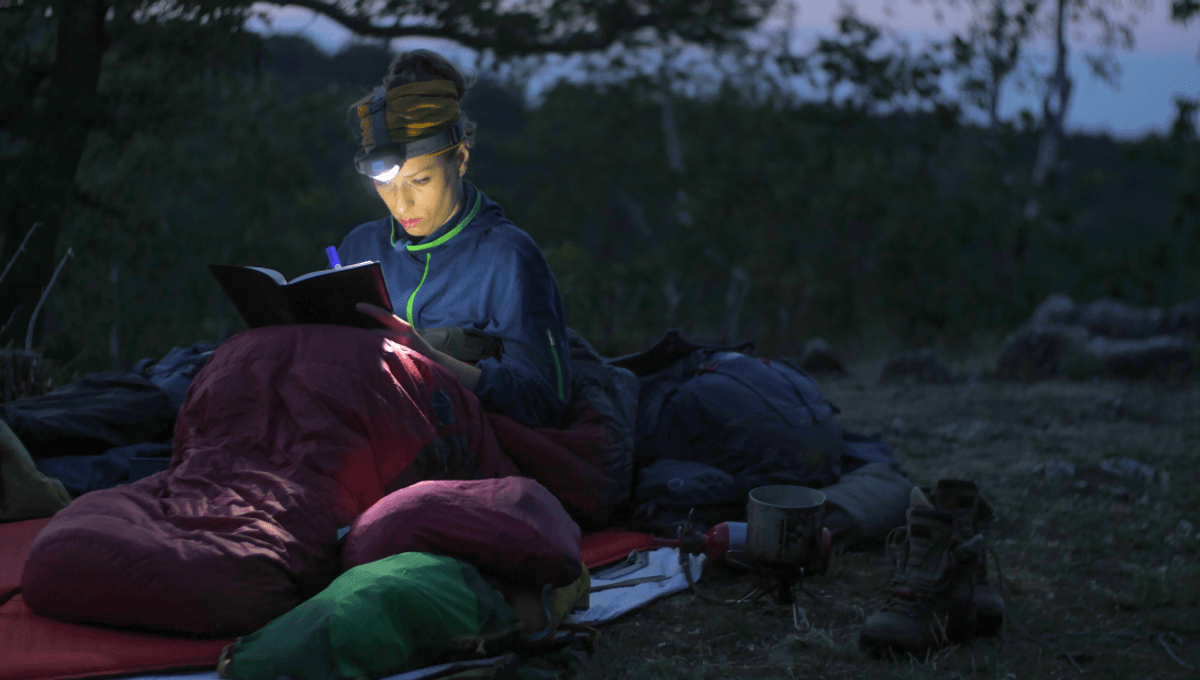

Few feelings can top getting into a bed with fresh sheets and laying your weary head down on the cool side of the pillow, but are we getting bedtime all wrong? There was a time it wasn’t so comfy, back when we were living in the great outdoors rather than tucked away in houses, and while the security of a warm bed is a privilege, science suggests that there are some benefits to snoozing outside.
The rest of this article is behind a paywall. Please sign in or subscribe to access the full content. A 2018 review became the first meta-analysis to quantify the impact of what they termed “greenspace exposure”. It sifted through five online databases leading up to January 2017 to look at the health outcomes of exposure to the great outdoors and found that “green prescriptions” could have substantial benefits to human health. Perks mentioned included decreased salivary cortisol (the “stress hormone”), lower heart rate, blood pressure, and cholesterol, among others. “Incidence of stroke, hypertension, dyslipidaemia, asthma, and coronary heart disease were reduced,” wrote the authors. “For several non-pooled health outcomes, between 66.7% and 100% of studies showed health-denoting associations with increased greenspace exposure, including neurological and cancer-related outcomes, and respiratory mortality.” It's clear that time in the great outdoors can have myriad benefits, and that can extend to sleeping. Key factors do, of course, include things like favorable weather conditions (you probably aren’t going to catch many zees during a typhoon), safety, and choice. For those of us with the luxury of that choice, it can help reset our circadian rhythm, making it easier to drift off and wake up, even after just one week of camping. “What’s remarkable is how, when we’re exposed to natural sunlight, our clocks perfectly become in synch in less than a week to the solar day,” said CU-Boulder integrative physiology Professor Kenneth Wright, who led the study, in a statement. “When people are living in the modern world—living in these constructed environments—we have the opportunity to have a lot of differences among individuals.” “Some people are morning types and others like to stay up later. What we found is that natural light-dark cycles provide a strong signal that reduces the differences that we see among people—night owls and early birds—dramatically.” So, if you’ll excuse me and my sleeping bag, we’re off for some wild napping.


 English
 Arabic
 French
 Spanish
 Portuguese
 Deutsch
 Turkish
 Dutch
Dutch
 Italiano
 Russian
 Romaian
 Greek
Greek