• ALLTHATSINTERESTING.COM
    A 65-Year-Old Thai Woman Was Declared Dead Then She Knocked On Her Coffin Just Before Her Cremation
    Wat Rat Prakongtham Temple/FacebookThe woman, Chonthirat Sakulkoo, was taken to the hospital and stabilized shortly after she was found alive in her coffin.A 65-year-old woman who was believed to be dead stunned workers at a Thai Buddhist temple when, moments before she was meant to be cremated, she began rattling her coffin and knocking on the lid clear indicators that she was, in fact, alive. The shocking incident occurred on Sunday, Nov. 23, at Wat Rat Prakongtham, a temple in Nonthaburi on the outskirts of Bangkok that livestreams its cremation ceremonies as a community service. In the video captured of the incident, temple staff are seen looking bewildered as they prepare for the ritual, only to realize that the woman lying in her coffin in the back of a pick-up truck is moving her arms and head.Naturally, the abbot immediately stopped the ceremony and called for the woman, identified as Chonthirat Sakulkoo, to be taken to the hospital. Knocking From Inside The Coffin Alerts StaffI was a bit surprised, so I asked them to open the coffin, and everyone was startled, Pairat Soodthoop, the temples general and financial affairs manager, told the Associated Press. I saw her opening her eyes slightly and knocking on the side of the coffin. She must have been knocking for quite some time.Mongkol Sakulkoo, Chonthirats brother, told the Bangkok Post that his sisters health had been declining and that she was bedridden for about two years prior to this incident.Ive cared for my sister for three years. Officials told us she had died, he said. All the documents had been issued, so we placed her in a coffin and brought her to the temple for cremation.Mongkol told reporters that he had found his sister unresponsive in their home a day earlier, leading relatives and local officials to believe she was dead. Although no death certificate was issued, the village headman did sign documentation for a coffin donation. Thai hospitals, however, require an official death certificate before they can accept bodies for organ donation which Chonthirat wished to do. So, to honor his sisters wish, Mongkol had driven roughly 300 miles to Bangkok after leaving his home at 3 a.m. to take Chonthirat to Chulalongkorn University Hospital. The hospital declined to take the corpse and instructed Mongkol to obtain an autopsy report. Now worried that his sisters corpse would begin to decompose, Mongkol instead drove the coffin to Wat Rat Prakongtham temple, which provides free cremation services. As the temple workers were explaining that they, too, needed an official death certificate before they could cremate the body, Chonthirat made everyone aware that she was still quite alive. Chonthirat Sakulkoos Miraculous RecoveryWat Rat Prakongtham Temple/FacebookTemple staff visiting Chonthirat Sukulkoo in the hospital.Once temple officials realized that Chonthirat was breathing and moving, they rushed her to the hospital, where doctors stabilized the 65-year-old and determined what had caused her unresponsive condition. As they explained, Chonthirat had been suffering from extreme hypoglycemia, a critically low level of blood sugar that can result in unresponsiveness that resembles death. By Sunday evening, however, Chonthirat was stable enough to return home.Soodthoop noted that he had overseen thousands of cremations, but he had never seen someone who had been declared dead regain consciousness. Authorities clarified that the family, temple, and hospital had all complied with medical and legal standards, though the incident has drawn significant public attention in Thailand for exposing potential holes in end-of-life procedures. The family had received proper documentation to transport a corpse, for instance, but had not gone through a formal hospital or medical process to obtain a declaration of death. Had everyone involved not responded so quickly, things may very well have turned out differently.After reading about this nearly premature cremation, go inside the terrifying stories of five people who were buried alive. Or, learn about the death and bizarre cremation of Gram Parsons.The post A 65-Year-Old Thai Woman Was Declared Dead Then She Knocked On Her Coffin Just Before Her Cremation appeared first on All That's Interesting.
    0 Commentaires 0 Parts 0 Vue
  • ALLTHATSINTERESTING.COM
    Surprising Study Finds That Most Modern Dogs Have Wolf DNA And Reveals Which Breeds Are Most Wolflike
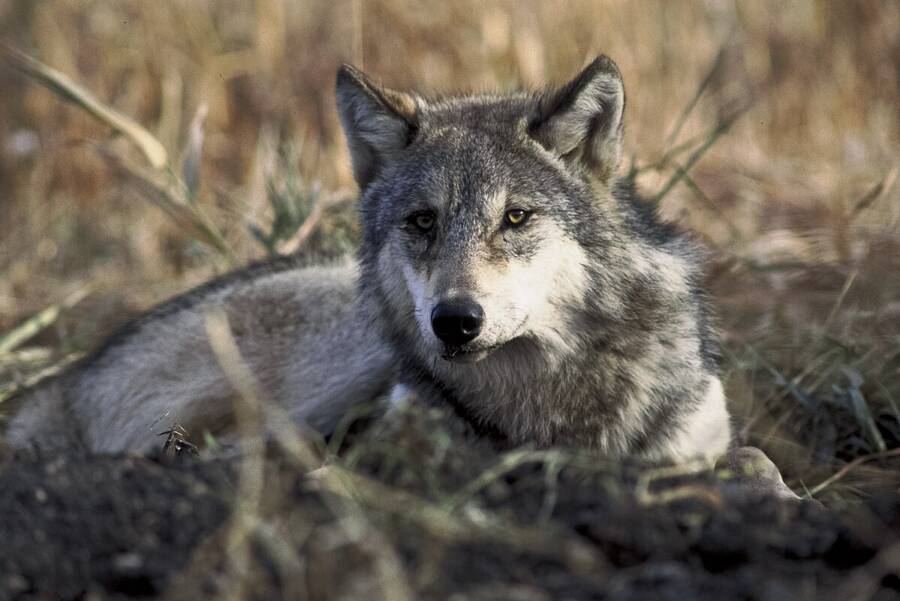
    Wikimedia CommonsMost modern dogs have at least a little recent wolf DNA that entered their genome after the two species evolutionary split roughly 20,000 years ago.Most of todays domesticated dogs have noticeable, albeit often small, amounts of wolf DNA in their genome, according to a new study.This discovery challenges the theory that, since dogs made their evolutionary split from wolves roughly 20,000 years ago, there has been very limited breeding between the two groups. Researchers analyzed nearly 2,700 genomes from modern and ancient canines and found that most modern domesticated dogs have at least a little recent wolf DNA.Furthermore, the wolf DNA present in modern dogs may have had an impact in shaping their behaviors and adaptability to human environments. However, the exact correlation between prevalence of wolf DNA and a given dogs behavior remains unclear.How Researchers Uncovered Recent Wolf DNA In The Genomes Of Modern Dog BreedsWikimedia CommonsResearchers analyzed nearly 2,700 canine genomes.The new study, which was published in the Proceedings of the National Academy of Sciences, found that at least two-thirds of modern dog breeds have wolf DNA that was acquired about 1,000 generations ago. This would have been after domesticated dogs and wolves split off from each other in the evolutionary tree.Prior to this study, the leading science seemed to suggest that in order for a dog to be a dog, there cant be very much wolf DNA present, if any, said lead study author Audrey Lin in a statement from the American Museum of Natural History. But we found if you look very closely in modern dog genomes, wolf is there. This suggests that dog genomes can tolerate wolf DNA up to an unknown level and still remain the dogs we know and love.While there have been times when dogs and wolves have been deliberately cross-bred, there had previously been little evidence to suggest regular breeding between the two groups since the two species split. This is despite the fact that these two groups have often inhabited similar environments.To further investigate how often wolves and dogs may have actually cross-bred, the researchers looked at the genomes of 146 ancient dogs and wolves covering about 100,000 years of history. They also studied 1,872 modern dogs, including everything from golden retrievers, to chihuahuas to malamutes 246 breeds in total.Researchers also included about 300 village dogs in their analysis, or dogs that are not owned by one specific person, but instead are independent yet rely on proximity to human environments in order to live. While these dogs, unsurprisingly, had a higher proportion of wolf DNA than their fully domesticated counterparts, the other data regarding amounts of wolf DNA in various breeds was often unexpected.How Much Wolf DNA Is In Each Of Todays Various Dog Breeds?Audrey LinPip, a shepherd mix, as photographed by one of the new studys lead authors.Unsurprisingly, dog breeds like the Czechoslovakian and Saarloos wolfdogs had the most amount of recent wolf DNA, as these dog types were purposefully bred with wolves. Of non-wolfdog breeds, Anglo-French tricolour hounds had the greatest amount of wolf DNA, averaging between 4.7 and 5.7 percent.Shiloh shepherds werent too far behind with about 2.7 percent wolf DNA. In general, dogs bred to complete specific tasks, such as sled dogs, had more wolf ancestry than other breeds.But it wasnt just the larger, working dogs that had higher proportions of recent wolf DNA even chihuahuas had about 0.2 percent wolf ancestry.This completely makes sense to anyone who owns a chihuahua, Lin said. And what weve found is that this is the norm most dogs are a little bit wolfy.Logan KistlerDogs bred for specific jobs like Tilly, a sled dog mix were more likely to have recent wolf ancestry.Not all modern breeds have wolf DNA, however. In fact, researchers found that some larger, imposing guard dogs like the Neapolitan mastiff, bullmastiff, and the St. Bernard had no traceable recent wolf DNA.Researchers speculate that its possible that wolf DNA has contributed to some breeds abilities to adapt to human environments, as there is some evidence that it gives them a genetic advantage. However, more research is needed to conclude whether a correlation exists between wolf ancestry and dog behavior.When dogs encountered evolutionary challenges such as how to survive harsh climates, scavenge for food in the streets or guard livestock, it appears theyve been able to tap into wolf ancestry as part of their evolutionary survival kit, Lin and study co-author Logan Kistler wrote in The Conversation.But still, much about the connection between wolves and modern dogs remains a mystery.After reading about the wolf DNA present in modern dogs, discover the stories of these famous dogs from history. Then, meet the dogs of famous historical figures and celebrities of decades past.The post Surprising Study Finds That Most Modern Dogs Have Wolf DNA And Reveals Which Breeds Are Most Wolflike appeared first on All That's Interesting.

    0 Commentaires 0 Parts 0 Vue
  • ALLTHATSINTERESTING.COM
    A Mining Company Just Blew Up A 46,000-Year-Old Aboriginal Site And It Was Totally Legal
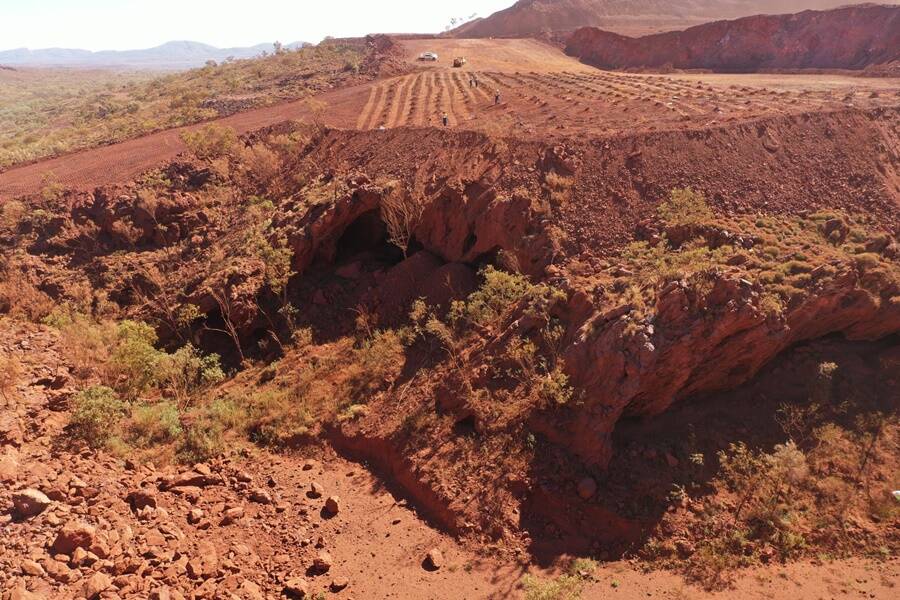
    Puutu Kunti Kurrama and Pinikura Aboriginal Corporation/GuardianA mining company destroyed a 46,000-year-old rock shelter that was sacred to Australias Indigenous peoples.A 46,000-year-old cultural site significant to Australias indigenous people was destroyed by a mining company expanding its iron ore territory. The destructive act was deliberately done with the permission of the Australian government.According to the Guardian, the destroyed site was a rock shelter located in Juukan Gorge in western Australia that had been continuously occupied for over 46,000 years.The cave was one of the oldest in the western Pilbara region and the only inland site with evidence of continual habitation which lasted through the last Ice Age.Its one of the most sacred sites in the Pilbara regionwe wanted to have that area protected, said Burchell Hayes, the director of the Puutu Kunti Kurrama and Pinikura (PKKP) Aboriginal Corporation which oversees the land. Mark Evans/Getty ImagesReforms to the Aboriginal Heritage Act were postponed due to the 2020 coronavirus pandemic.In addition to its meaning to indigenous people, the site also held great archeological value. Excavations there unearthed a bevy of precious artifacts, including a 4,000-year-old length of plaited human hair. Incredibly, DNA analysis showed the hair belonged to the direct ancestors of the PKKP peoples today.It is precious to have something like that plaited hair, found on our country, and then have further testing link it back to the Kurrama people. Its something to be proud of, but its also sad. Its resting place for 4,000 years is no longer there, Hayes said.Rio Tinto, the mining company that destroyed the cave, had received permission to demolish the sacred site in 2013. The permission was granted by the Department of Aboriginal Affairs under Western Australias outdated Aboriginal Heritage Act which was first established in 1972.In 2014, an archaeological dig was approved so that researchers could salvage the artifacts inside the rock shelter. The excavation revealed that the site was actually twice as old as previously estimated and carried a trove of more than 7,000 sacred artifacts, including 40,000-year-old grindstones and thousands of bones from refuse piles which showed changes in wildlife during the prehistoric period.Archeologist Michael Slack, who led the project, said it was a once-in-a-lifetime discovery.But the Aboriginal Act law was drafted in favor of mining proponents and did not allow for amendments to consent orders or agreements. On May 24, 2020, the cave was blasted by Rio Tinto to make way for its iron ore mining expansion.FlickrThe cave site in Western Australia boasted a trove of precious artifacts that told of the countrys rich history.Now, the 46,000-year-old enclave no longer exists.Now, if this site has been destroyed, then we can tell them stories but we cant show them photographs or take them out there to stand at the rock shelter and say: this is where your ancestors lived, starting 46,000 years ago, Hayes said of the sacred sites demolition.Rio Tinto first signed a native title agreement with the traditional PKKP owners in 2011, four years before the tribespeoples native title claim was formally ruled on by the federal court. The company also facilitated the dig in 2014.Following the new discoveries, the company pushed for its original agreement with the government over the Juukan site to be carried out, even after the Aboriginal Heritage Act was put under review when the Labor administration took over in 2017. The company stated it was supportive of the proposed reforms but argued that the consent orders that had already been approved should continue.The final consultation of the bills draft was pushed back by Aboriginal Affairs Minister Ken Wyatt due to the coronavirus outbreak this year.Meanwhile, the loss of a rich source of Australias history is mourned by Indigenous advocates and researchers.It was the sort of site you do not get very often, you could have worked there for years, Slack said. How significant does something have to be, to be valued by wider society?Next, read about the terrifying megafauna that lived alongside Australias early inhabitants before they went extinct and take a look inside Coober Pedy, Australias underground city. The post A Mining Company Just Blew Up A 46,000-Year-Old Aboriginal Site And It Was Totally Legal appeared first on All That's Interesting.

    0 Commentaires 0 Parts 0 Vue
  • TECHCRUNCH.COM
    Bending Spoons agrees to buy Eventbrite for $500M to revive stalled brand
    The acquisition price for the events marketplace is a fraction of the $1.76 billion valuation it achieved during its 2018 IPO.
    0 Commentaires 0 Parts 0 Vue
  • OpenAI in “code red” after losing 6% of its users in a week due to Gemini 3, report says
    OpenAI has lost 6% of its users after Gemini 3 launch, report says Recently, Google introduced Gemini 3, which the company called its "most intelligent" AI model yet. So far, the AI leaderboards agree, with Gemini 3 surging ahead of rivals like ChatGPT at LMArena. Now, OpenAI head honcho Sam Altman has reportedly declared "code red" at...
    0 Commentaires 0 Parts 1 Vue
  • 8TB is a long-term fix for digital storage — and it’s 59% off right now
    8TB is a long-term fix for digital storage — and it’s 59% off right now TL;DR: FileLu gives you 8TB of private, encrypted lifetime cloud storage for a one-time payment of $649.99 (reg. $1,600). $649.99...
    0 Commentaires 0 Parts 1 Vue
  • This AI model prioritizes privacy, and now it’s yours for life for $80
    This AI model prioritizes privacy, and now it’s yours for life for $80 TL;DR: If you’re looking for an AI that is more discreet, you’ll love this lifetime subscription to the Pansophy Private Personal AI Desktop Assistant Base Plan, now just $79 (reg. $199). AI is great, but is your information staying private and secure? If you’re...
    0 Commentaires 0 Parts 2 Vue
  • Global Biomaterials Market Trends: Growth, Share, Value, Size, and Analysis By 2030
    As per MarkNtel Advisors The Global Biomaterials Market size is valued at around USD 45.15 billion in 2024 & is projected to reach USD 59.11 billion by 2030. The market is also estimated to grow at a CAGR of around 5.60% during the forecast period, i.e., 2025-30. Global Biomaterials Market Systems Market Outlook: The Russian Seed Market is rapidly...
    0 Commentaires 0 Parts 1 Vue