
• WWW.THECOLLECTOR.COM
    How the Clotilda Survivors Founded Africatown in Alabama
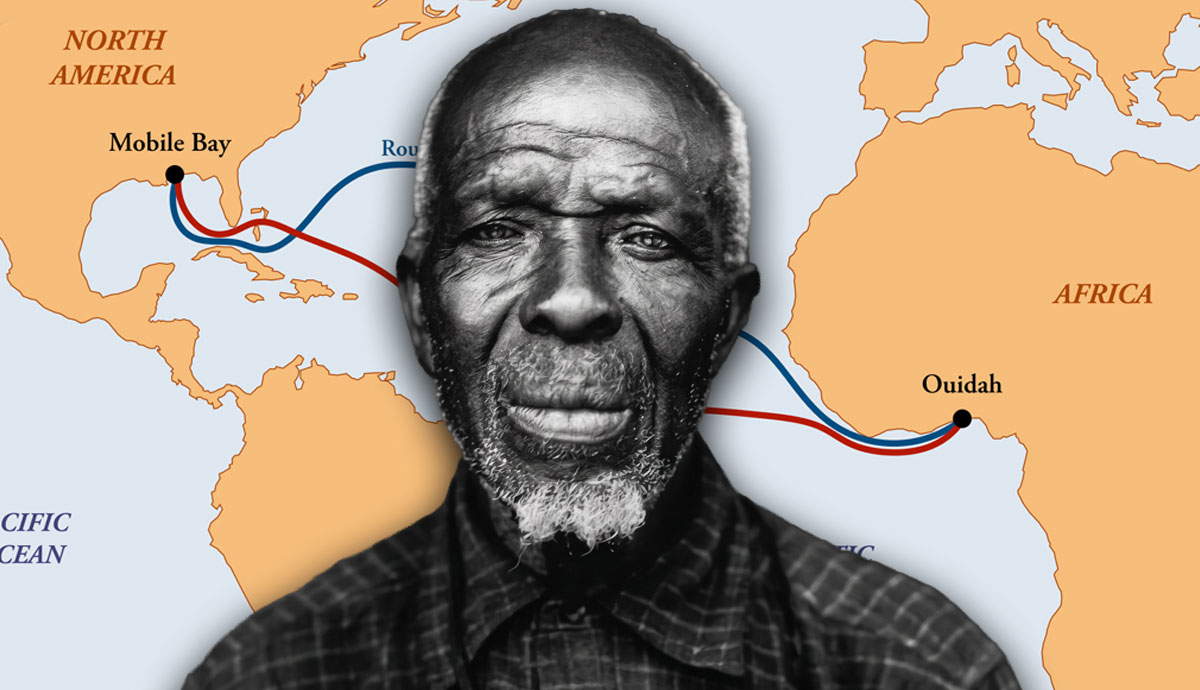
    In 1860, a full 52 years after the United States banned the transatlantic slave trade, one final ship crossed the Atlantic. Funded by a wealthy Alabama planter and built to defy the law, the Clotilda smuggled 105 Africans into Mobile, Alabama. Though the voyage was illegal, those responsible went unpunished. The survivors, once freed, formed their own community: Africatown.The Last Illegal VoyageWreckage of slave ship, Clotilda, from Historic Sketches of the South by Emma Langdon Roche, c.1914. Source: Wikimedia CommonsThe United States banned the importation of slaves from Africa in 1807, yet the buying and selling of human property continued, as part of the intercontinental slave trade, for nearly 60 more years. Individuals sold at auction during this period were several generations removed from living in Africa.In 1860, a wealthy Alabama planter named Timothy Meaher decided to challenge the federal law banning the importation of slaves. Confident he could smuggle enslaved Africans into the country without consequence, Meaher wagered a bet that he could break the law and never be caught. To do it, he commissioned the construction of a sleek, fast ship named the Clotilda. The ship was built solely for the purpose of the illegal act, and its design mirrored its intended use.While slave ships varied in size, they tended to be longer so as to fit more cargo, maximizing profit. Classified as a schooner, the Clotilda measured only 86 feet in length and could hold roughly 100 human souls below its deck. To captain the vessel, Meaher hired Captain William Foster, an experienced mariner who understood the risks involved with such an act. While partaking in sea voyages came with inherent risks, Meaher and Foster were also breaking a Federal law. Smuggling slaves into the United States became punishable by death in 1820.Undated photos of Cudjo Lewis, the last remaining survivor of the Atlantic slave trade between Africa and the United States. Source: The IndependentThe Clotilda left Mobile, sailing under false papers stating the ships cargo was lumber, and made its way across the Atlantic, heading to the West African coast. In what is now Benin, Foster negotiated with local rulers of the Kingdom of Dahomey, who had captured and imprisoned men, women, and children from rival tribes during a series of regional wars. Foster purchased 110 people, both male and female, of various ages, and loaded them into the cramped hold of the Clotilda.The journey back across the Atlantic took nearly two months. Conditions on board were brutal. Captives were shackled in place with barely enough room to lie flat. They were fed just enough to keep them alive, exposed to disease, and forced to relieve themselves where they lay. Due to the abhorrent conditions, five died before reaching the US.When the Clotilda finally neared Mobile Bay, Foster took every precaution to avoid detection. Under cover of darkness, the captives were hurriedly offloaded and hidden in the swamp of the Mobile-Tensaw Delta. Fearing that the ship might be discovered and used as evidence, Foster ordered it burned and sunk deep in the swamp. For over 150 years, the location of the Clotilda remained a mystery to anyone other than Foster and Maeher.Arrival in AlabamaVarious regions of the state of Alabama. The Clotilda arrived in Mobile Bay, the water source that backs up to the city of Mobile. Source Wikimedia CommonsAfter arriving in Mobile Bay under the cover of night, the Clotildas human cargo was quickly removed. The 105 African captives were taken off the ship and hidden deep within the swamps of the Mobile-Tensaw Delta until Maher could decide what to do with his illegally acquired property. With the ship gone, there was no physical proof of the crime. For years, people would claim the story was just a rumor. But for the captives, there was nothing vague about what happened next.The new arrivals were split up among the conspirators. Meaher kept many for himself and handed others over to friends and family. Stripped of their names, denied their language, and sold like cattle, they found themselves enslaved in a strange land. Unlike the other slaves in their new home, few of these new arrivals spoke English. They had no idea where they were, could not understand what had happened to them, and had lost loved ones. Now they were forced to work in plantations, sawmills, and fields, silently enduring abuse in a country where they did not legally belong.Life After EmancipationOne of the original buildings in Africatown, now abandoned. Source: Wikimedia CommonsWhen the Civil War ended in 1865, the Africans brought over on the Clotilda were finally freed with the passage of the 13th Amendment, but freedom didnt come with compensation, land, or real protection. Most of them had spent five years in bondage working for Meaher and others around Mobile. Now free, they faced the challenge of building new lives in a country that they barely understood.Unlike American-born Black people who had grown up enslaved, the Clotilda survivors were Africans. They had known freedom, and they wanted to reclaim it. This goal presented a problem, however, as southern states pushed back on the Federal governments efforts to force equality for Black people in the South. To accomplish their goal, the Clotildas survivors lived frugally, took on low-paying jobs, and saved every cent they could. Eventually, their goal was realized: a community all their own.Building AfricatownWelcome to Africatown sign located at the intersection of Bay Bridge Road and Bay Bridge Cutoff Road in Mobile, Alabama. Source: Wikimedia CommonsRefusing to be pushed to the margins, the Clotilda survivors pooled their resources and bought a plot of land from the Meaher family. It was a small area just north of Mobile, but it was theirs. They named it Africatown. There, they set out to recreate the life they had known in Africa. The community spoke their native languages, practiced African customs, and governed themselves. They built homes, churches, and a school. Their oral traditions, passed down from generation to generation, preserved the history that America tried to erase. Through these oral traditions the story of Meahers deceit and their abduction lived on.Erasure and RediscoveryAfricatown Boulevard street sign in Mobile, Alabama. Africatown is on Mobiles African-American Heritage Trail. Source: Wikimedia CommonsFor decades, local officials and powerful families in Mobile, including the Foster and Meaher families, did everything they could to deny what had happened. The Meaher family remained influential, and the story of the Clotilda was treated as a rumor. There were no official records. The ship had been burned and sunk, with the location of the wreckage a mystery. And many didnt want to believe, or admit, that the transatlantic slave trade had been restarted illegally on American soil just a year before the Civil War.But the survivors of the Clotilda never stopped telling their story. Men like Cudjo Lewis gave interviews; he shared his tale with writers, including Zora Neale Hurston, who turned his story into Barracoon: The Story of the Last Black Cargo. Hurstons work was not published during her lifetime, as publishers felt Hurstons preservation of Lewiss vernacular would lead to limited sales. Barracoon was finally published in 2018.In 2019, after years of searching, the wreckage of the Clotilda was finally located in the Mobile River. For the descendants of Africatown, it was a moment of truth. The story their ancestors had told was finally proven beyond doubt. The ship was real. The voyage happened. And the survivors had not been exaggerating. The discovery sparked renewed interest in Africatown and its history. Journalists, historians, and filmmakers arrived in droves. The search for the Clotilda and the history of Africatown were the subjects of Descendants, a 2022 Netflix documentary.Legacy of AfricatownCast iron bust in front of the historic Union Missionary Baptist Church, c. 1869, in Africatown, Mobile, Alabama. This church was co-founded by Cudjo Lewis. Source: Wikimedia CommonsToday, Africatown stands as a living monument to survival and resistance. Though the community has faced decades of economic hardship, environmental racism, and political neglect, its legacy endures. A heritage museum now tells the story of the Clotilda and its survivors. The wreck of the ship remains protected under federal law, and efforts are underway to preserve it as a historical site.Descendants of the original Africans who sailed on the Clotilda continue to live in the area, carrying on the traditions and memories of their ancestors. Their fight, however, continues as local industry surrounds Africatown. Smog causes residents health issues, and runoff from factories pollutes local waterways. The Meaher family, who still reside in Mobile, have repeatedly refused requests to be interviewed.
    0 Comentários 0 Compartilhamentos 0 Visualizações
  • WWW.THECOLLECTOR.COM
    Was Anne of Clevess Marriage to Henry VIII the Worlds First Catfish?
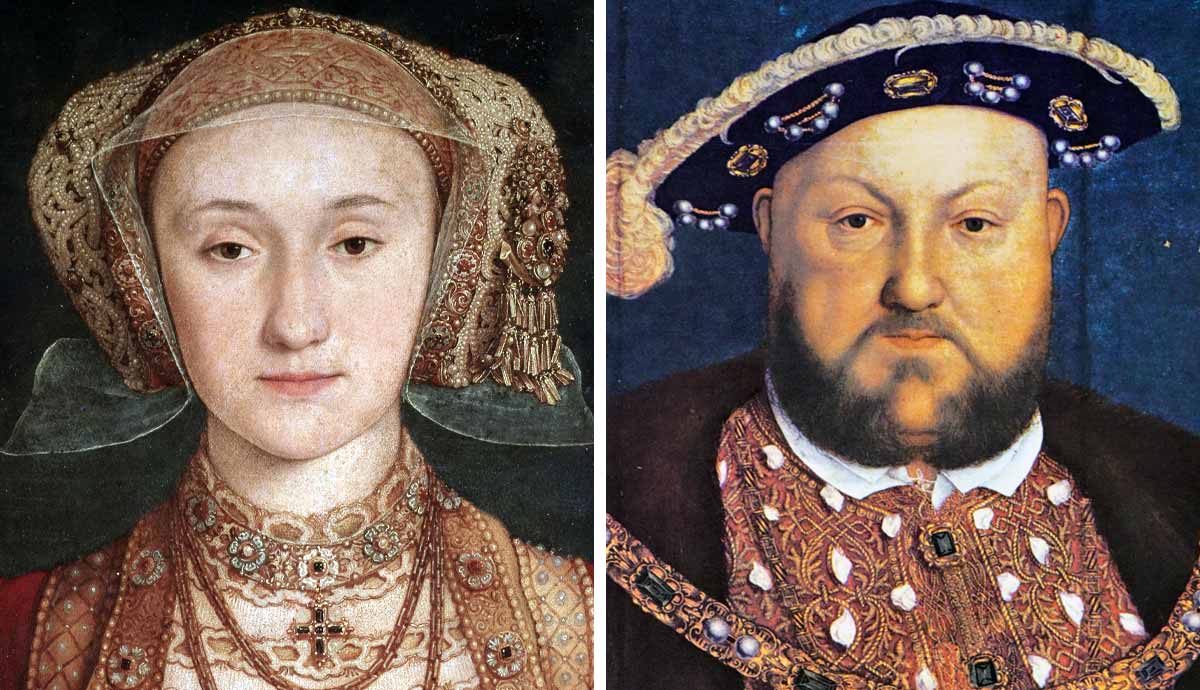
    On January 6, 1540, as the Christmas festivities drew to a close, King Henry VIII married Anne of Cleves. She was his fourth wife. However, their marriage only lasted six months as Henry declared he could not consummate the marriage, citing Anne of Cleves appearance as the reason for his lack of interest and inability to fall in love with her. Despite this, Anne of Cleves remained friends with the king and resided in England for the rest of her life.Who Was Anne of Cleves?Photograph of Schloss Burg in Solingen. Source: Unser Remscheid Unsere StadtBorn in 1515 in Dsseldorf, Germany, Anne of Cleves was the second daughter of John III (Duke of Cleves) of the House of La Marck, an ancient, noble German family. Her mother was Maria, Duchess of Julich-Berg.Anne grew up at Schloss Burg in Solingen, a castle in North Rhine-Westphalia, Germany. The territory was part of the Holy Roman Empire, which stretched from the Baltic to the Italian Peninsula. Annes mother was in charge of her education, teaching her daughters traditional skills that German noblewomen were expected to have, including cooking, managing the household, and reading and writing in their own language.Alongside these skills, Anne also likely learned regional property laws, taxation laws, and how to manage finances. However, Anne and her sisters were not educated in subjects that other noblewomen in places like England would have been exposed to, including singing, playing musical instruments, learning foreign languages, and playing cards. Anne spent much of her time secluded in womens quarters and was taught to be pious like her mother, who was a devout Catholic.Unlike her mother, Annes father, inspired by the Renaissance theologian and philosopher Erasmus, was much more tolerant of religious differences. Though he remained Catholic for the duration of his life, he was accepting of other beliefs entering his duchies, including Lutheranism. In fact, he arranged the marriage of his eldest daughter, Sibylle, to Johann Friedrich of Saxony, a Protestant friend and supporter of Martin Luther, as well as an enemy of the Holy Roman Emperor, Charles V.At the age of 11, Anne was betrothed to the Duke of Lorraines son, eight-year-old Francis. The betrothal was not a formal marriage, however, as Francis was not of age to contract a legal marriage in Germany, and the betrothal was nullified seven years later.A Key AllianceThomas Cromwell, after Hans Holbein the Younger, 17th-century copy of a 16th-century original. Source: National Portrait GalleryAdvised by politician and lawyer Thomas Cromwell, who served as his chief minister for six years, King Henry VIII sought a political alliance with Annes brother, William, Duke of Cleves. William was a leader amongst the Protestants of western Germany.Both Cromwell and Henry believed the alliance was necessary as they felt threatened by France and the Holy Roman Empire. Since both countries were major Roman Catholic powers, Cromwell and Henry worried they would attack England, a Protestant country. Cromwell advised that a marriage should be arranged to establish ties with England and Lutheran leaders within the Holy Roman Empire.Anne of Cleves by Hans Holbein the Younger, 1539. Source: LouvreIn light of this, in 1538, Cromwell contacted the Cleves family to arrange a marriage between Henry and one of the daughters. When the family agreed to a potential union, Cromwell sent the acclaimed Renaissance artist Hans Holbein the Younger to paint two portraits of the sisters, Amalia and Anne. The portrait of Anne depicted her as tall, slender, with blue eyes and blonde hair. She wore a Dutch-style dress and appeared serene and content. Once in possession of the portraits, Henry was blown away by Annes beauty and chose her to be his next wife.Henry VIII, Catfished?Anne of Cleves, by Bartholomaeus Bruyn the Elder, 16th century. Source: St. Johns College, OxfordIn November 1539, Anne traveled from Germany to England to marry Henry. Despite experiencing tempestuous weather on the English Channel, which delayed her journey by a few days, Anne finally made it to England and was warmly greeted by large crowds. Upon meeting Anne along her journey, Henrys noblemen and ambassadors wrote to Henry and expressed that Anne was amiable, cheerful, and kind, and that the portrait was an accurate depiction of her beauty.Anxious to meet Anne for the first time, Henry set off on January 1, 1540, to meet her, which was earlier than planned. Though Henry had hoped to marry Anne by Christmas, the wedding was postponed to January 6 as Annes journey had taken longer than expected. When Henry arrived to meet Anne, he disguised himself in a costume. He knelt before Anne and kissed her hand. However, Anne was taken aback by this gesture. She was unfamiliar with English Medieval culture and therefore did not understand that Henry expected her to recognize her future husband through his disguise.Henry was humiliated by the awkward interaction with his future wife, believing that she disliked him and was ignoring him. He left the room in a huff and threw off his disguise, only returning to Anne once he adorned himself in a royal purple coat. Upon seeing Henry for the second time, Anne bowed before him and expressed her embarrassment as Henry briefly kissed her and then left the room.An Unhappy KingEtching depicting the Palace of Placentia at Greenwich as it would have looked during the reign of the Tudors, c. 19th or 20th century. Source: Royal Museums GreenwichHenry was not pleased with his bride-to-be and loudly expressed his dissatisfaction when he returned to his residence at the Palace of Placentia in Greenwich. He argued with courtiers who had found the portrait of Anne beautiful and complained to Cromwell, expressing his disdain for his future wife.The king expressed that he did not find Anne as fair as she had looked in the portrait and had been reported by others. He also complained that Anne knew very little English. Cromwell listened as Henry told him how much he disliked Anne and pleaded with him to find a way to end the arrangement.However, to Henrys dismay, it was decided that there was no way to nullify the engagement without angering the Cleves family, particularly Annes powerful brother, so Henry proceeded with the marriage.The unhappy marriage of Henry and Anne would prove to be Cromwells downfall, as the king blamed Cromwell for the arrangement and his subsequent disappointment upon meeting Anne.Marriage on the RocksDetail from a painting of Anne by Bartholomaeus Bruyn the Elder, 16th century. Source: Hever Castle & GardensThough the wedding went ahead, Henry spent six months trying to find a way to divorce Anne.The morning after their wedding night, it was reported that Cromwell asked Henry how he liked the queen, and Henry responded that he liked her even less than before. The king added that he did not consummate the marriage since Anne repulsed him, and he even doubted her virginity.Within a few weeks, Henry informed his Privy Council that God would not allow him to consummate the marriage and that the union was doomed. He also requested that Annes previous betrothal to the Duke of Lorraines son be examined to make sure that the contract had not been binding. From the outset, Henry began setting the stage for an annulment based on non-consummation of the marriage.Henry VIII, by Hans Holbein the Younger, 1540. Source: Barberini Gallery, RomeAt first, Anne did not seem concerned about her relationship with Henry, but by February 1540, she was aware that her marriage was struggling. She tried desperately to win over the king as he continued to dine with her and sleep beside her each night. However, as weeks and months ticked by, Anne did not become pregnant, and her ladies-in-waiting feared what would happen if she did not bear a child soon.By the spring, the king was spotted crossing the Thames in the evenings to visit his new mistress, 16-year-old Catherine Howard, the Duke of Norfolks niece. The public was unhappy with Henrys infidelity, expressing similar sympathy to Anne of Cleves as they had with Anne Boleyn, the kings second wife, who was also a victim of Henrys infidelity as he pursued a relationship with Jane Seymour.Union DissolvedPortrait of Anne of Cleves, by Hans Holbein the Younger, c. 1540s. Source: Wikimedia CommonsOn June 24, 1540, Henry sent Anne to live at Richmond Palace. He shrouded the move in concern for his wifes safety and well-being as a plague ravaged London. However, Henry clearly was not concerned about the plague since he himself remained in the city.Three weeks later, Henry obtained the annulment of his marriage based on non-consummation and Annes prior betrothal to the Duke of Lorraines son. Anne received notice of the divorce on July 10, 1540. She was told that if she agreed to it, the king would provide for her for the rest of her life, and she would be treated kindly and fairly at court.Anne was tearful and humiliated when she received notice that Henry desired to divorce her. Initially, she refused to agree to the divorce and summoned the Cleves family ambassador. However, a day later, Anne settled for Henrys wishes, realizing that if she refused, she might be the next victim of his temper. She accepted the divorce and even noted that she hoped to still meet Henry occasionally as friends.Henry was generous with Anne, as he was delighted that she calmly agreed to the terms without threats or backlash. On July 12, he wrote to Anne, informing her that she was free to return home to Germany. However, if she decided to remain in England, Anne would be given an annual income of 4,000 pounds along with the estates of Richmond, Bletchingly, and Hever Castle. He also said she would be allowed to marry again if she wished and that she was welcome at court any time, as he saw her as a beloved sister.Anne readily accepted Henrys offer and decided to remain in England. She wrote to her brother, indicating that she was happy and content with the agreement and would be spending the remainder of her life in her adopted country.Anne of Cleves Life After QueendomSketch of Old Chelsea Manor as it would have looked during the Tudor period, c. 1873. Source: Wikimedia CommonsAfter her marriage to Henry ended, Anne lived for over a decade on her English estates and was known for being kind and generous to all those who served her. She remained devoted to Henry and his family. After the execution of Catherine Howard, rumors circulated that Anne might remarry Henry. However, she remained single for the rest of her life.Anne was especially close to Henrys daughters, whom she corresponded with and offered guidance and support. Even after Henrys death in 1547, Anne was still welcomed at court, including during the reigns of Edward VI and Mary I. She walked with her former stepdaughter, Elizabeth, in Marys coronation procession.Anne remained in royal favor until Wyatts Rebellion in 1554, when Queen Mary I suspected that Anne might have aided the rebels because she was a suspected Protestant sympathizer and was friendly with Elizabeth. After the rebellion, she was no longer welcomed at court and lived in solitude on her estates. Anne passed away at Chelsea Manor on July 16, 1557, from what historians believe was cancer. She was buried in Westminster Abbey.Though Anne of Cleves marriage to King Henry VIII lasted only six months, she emerged with wealth, autonomy, and a respected position at court. Unlike many of Henrys wives, she avoided scandal or execution, instead building a secure and peaceful life in England. Annes legacy is often seen as one of diplomacy and survival, as she avoided the wrath of Henry and was able to live independently for the remainder of her days.
    0 Comentários 0 Compartilhamentos 0 Visualizações

  • WWW.DUALSHOCKERS.COM
    Super Mario Galaxy Movie Bath Bomb Is Scaring Away Customers
    A strange piece of Super Mario Galaxy Movie merchandise holds a creepy secret, one that doesn't reveal itself until a fan actually uses it. Those who are fans of Yoshi's appearance in the movie are the ones who are going to get caught out by it, potentially at a time when they're extremely vulnerable.
    0 Comentários 0 Compartilhamentos 1 Visualizações
  • WWW.PCGAMESN.COM
    PUBG and Stellar Blade come together in the unlikeliest collab, and it'll make your wallet cry
    PUBG Battlegrounds and Stellar Blade could not be more different, but they do say that opposites attract. Well, the effect must've been especially potent for PUBG Studios and Shift Up, because the neighbouring developers have teamed up on something more than a little unexpected. Stellar Blade protagonist Eve has just been announced as PUBG's third Contender, and the Naytiba-slaying heroine has today traded her sword for a frying pan in the freshly-dropped Update 41.1.
    0 Comentários 0 Compartilhamentos 1 Visualizações
  • WWW.PCGAMESN.COM
    Dungeon Heroes codes April 2026
    Clearing huge caves of mobs has never been easier with Dungeon Heroes codes, so you can stay calm in the heat of battle. This RPG is super fun, especially if you play it with friends, but if you're feeling a bit left in the dust by your peers' cool appearances and how fast they level up, we have your back. Codes offer you free potions, which can be used to claim boosts to experience, luck, gems, and more. You can also sometimes get crystals or keys.
    0 Comentários 0 Compartilhamentos 1 Visualizações
  • TECHCRUNCH.COM
    Hackers steal and leak sensitive LAPD police documents
    The LAPD said the breach affected a digital storage system belonging to the citys Attorney's Office. The World Leaks extortion gang was reported to be behind the attack.
    0 Comentários 0 Compartilhamentos 0 Visualizações
  • TECHCRUNCH.COM
    OpenAI releases a new safety blueprint to address the rise in child sexual exploitation
    OpenAI's new Child Safety Blueprint aims to tackle the alarming rise in child sexual exploitation linked to advancements in AI.
    0 Comentários 0 Compartilhamentos 0 Visualizações
  • TECHCRUNCH.COM
    Developer of VeraCrypt encryption software says Windows users may face boot-up issues after Microsoft locked his account
    The maker of the popular open-source file encryption software VeraCrypt said Microsoft locked his online account, which may prevent device owners from booting up their computers.
    0 Comentários 0 Compartilhamentos 0 Visualizações
  • Ozzy and Sharon Osbourne's L.A. Home Lands on Market (PHOTOS)
    Look Inside Ozzy and Sharon Osbourne's Luxurious Mansion That Just Went on the MarketInside Ozzy and Sharon Osbourne’s Sprawling Los Angeles Mansion That Just Went Up for SaleBerlyn Media/Carolwood Estates photo, Getty Iamges, Tyler Hogan/Carolwood Estates photoSharon Osbourne is looking to unload the luxurious Los Angeles home she shared with Ozzy.A listing from real estate group...
    0 Comentários 0 Compartilhamentos 1 Visualizações
  • YUBNUB.NEWS
    ICE Agent Shoots Gang Member After He Tries to Run Them Over in California
    An 18th Street Gang member in the country illegally was shot by Immigration and Customs Enforcement agents Tuesday after he attempted to use his vehicle to run over federal officers during an arrest operation
    0 Comentários 0 Compartilhamentos 0 Visualizações