• YUBNUB.NEWS
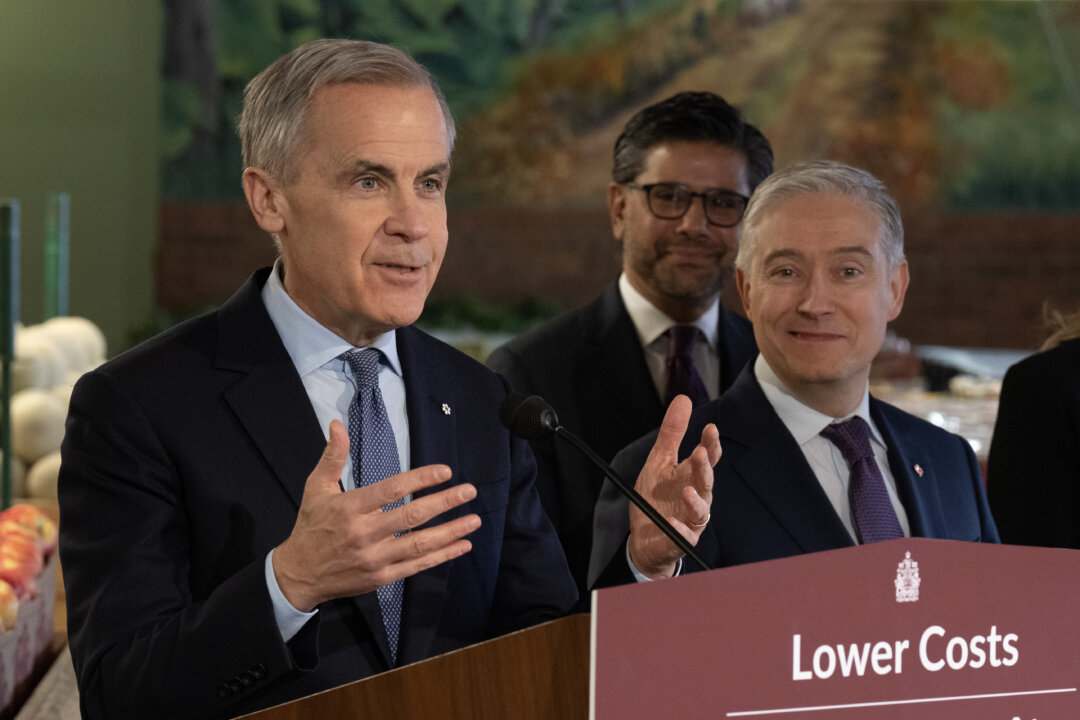
    Carney Says He Regrets Not a Word of Davos Speech That Drew Trump Response
    Finance and National Revenue Minister Francois-Philippe Champagne looks on as Prime Minister Mark Carney speaks during an event at a grocery store in Ottawa on Jan. 26, 2026. Adrian Wyld/The Canadian
    0 Comments 0 Shares 0 Views
  • YUBNUB.NEWS
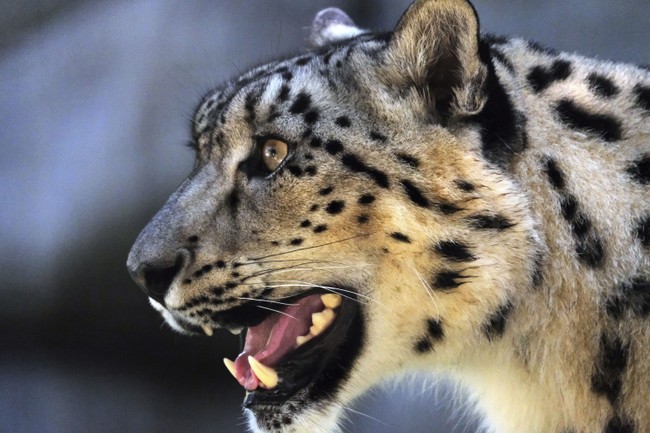
    Dangerous Incaution: Snow Leopard Pounces on Selfie-Seeking Skier
    This just in: Apex predators are dangerous, particularly to clueless people looking for a great selfie.Of course, anyone who grew up around wild critters knows this. There's a reason that there is a metaphorical
    0 Comments 0 Shares 0 Views
  • YUBNUB.NEWS
    Jury Awards $7.5M After Texas School Officials Violate Parents and Students First Amendment Rights
    A federal jury has determined that officials at Marlin Independent School District (ISD) violated the constitutional rights of several parents and students after the families criticized school leadership
    0 Comments 0 Shares 0 Views
  • YUBNUB.NEWS
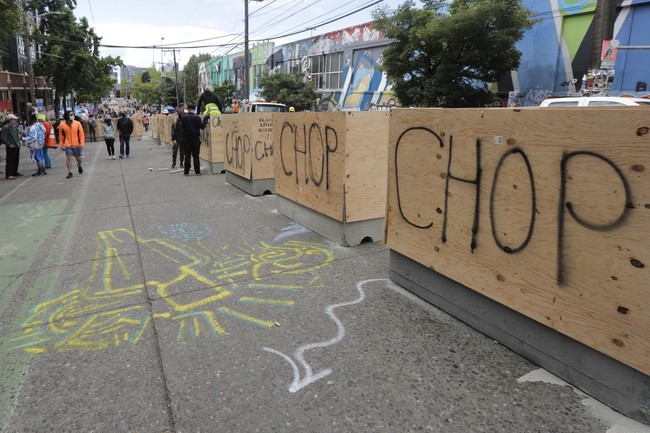
    Minneapolis Has a New Autonomous Zone with Armed Guards
    The left is running their playbook in Minneapolis and that includes establishing a new autonomous zone where law enforcement are not allowed. Several people were able to get inside and seemed surprised
    0 Comments 0 Shares 0 Views
  • YUBNUB.NEWS
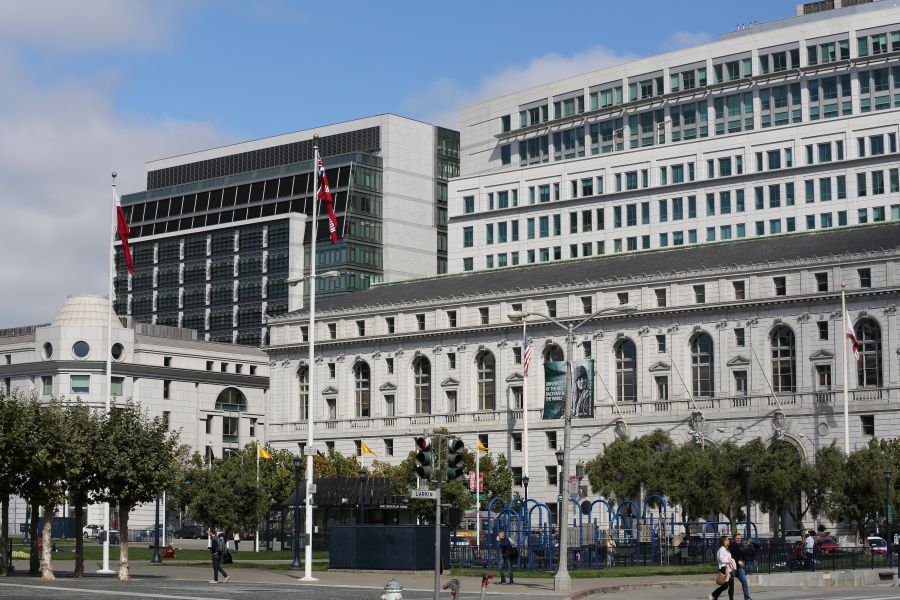
    Supreme Court Makes Huge Decision On Californias New Congressional Map
    The Supreme Court last week ordered California Democrats to respond within a week to a Republican-backed request seeking to block the states newly drawn congressional maps from being used in the 2026
    0 Comments 0 Shares 0 Views
  • YUBNUB.NEWS
    Carney Walks Back Deal with China
    Canadian Prime Minister Mark Carney has seemingly walked back comments relating to a deal with China following President Trumps tariff threat. Carney told reporters that under the United StatesMexicoCanada
    0 Comments 0 Shares 0 Views
  • WWW.THECOLLECTOR.COM
    Here Are The 10 Largest Cities of the Silk Road
    The Silk Road connected Asia and Europe through a complex network of overland routes spanning Central Asia. From Han foundations to a Tang-era peak, it facilitated the movement of goods, people, and ideas on an unmatched scale. These are the ten largest hubs by peak urban scale and overland trade weightwhere they were, when they reached their peak, and why they mattered.What Was the Silk Road?Click here to see the map in full size. Source: TheCollectorSpanning Central Asia, the Silk Road linked the economies and courts of Asia and Europe. Travelers and traders came from areas such as present-day China, Iran, Trkiye, Greece, and Italy, all of which were part of the Silk Road. The roots of the Silk Road go back to the Western Han Dynasty (202 BCE9 CE). However, it was during the Tang Dynasty (618907 CE) that the Silk Road experienced its greatest international activity.From archaeological finds and surviving texts, especially those discovered in the last two decades, there is evidence of an almost incessant flow of goods and ideas across Eurasia. Porcelain, silk, paper, and gunpowder traveled from East to West, while chariots, wool, glass, and wine came into China. Even ostriches and rhinos found their way to the Chinese imperial court in Changan. The linking of diverse foreign lands made the Silk Road a melting pot of cultural fusion, and this was no more evident than in the cities that developed along the ancient trade routes.1. ChanganTang Paradise Center, present-day Xian, at night. Source: AlamyWith more than a million inhabitants at its height, Changan was among the largest cities in the world and a magnet for foreigners arriving overland. During the Tang Dynasty, the citys two great markets divided roles: the Eastern Market catered to the imperial household and aristocrats, while the Western Market was open to the public and was best known for its foreign goods. There, jewelry, silk, tea, exotic herbs, and rare medicines drew crowds, and fashions arriving by caravan quickly shaped local taste.Key Takeaways: ChanganLocationXian, ChinaPeak eraTang dynasty (7th9th centuries CE)Why it matteredCapital-level hub for politics, culture, and long-distance tradeSignature sitesWestern Market (foreign goods) and Eastern Market (elite buyers)Trade focusSilk, tea, spices, jewelry, rare medicines2. DunhuangThe cave temples of Mogao at Dunhuang, the Dunhuang Academy. Source: The Getty BlogFor over a thousand years, Dunhuang was a pivotal hub for commerce, culture, and military activity on the Silk Roadan oasis at the western end of the Hexi Corridor. After Emperor Wus forces defeated the Xiongnu in 121 BCE, Dunhuang became a center for imperial movement and exchange despite slow travel, difficult communication, and a harsh desert environment.Dunhuang was also the first major gateway through which Buddhism entered the East. Zhu Fahu and his disciples translated scriptures here during the Jin Dynasty (265420 CE), and the monk Lezun excavated the first Mogao Grotto. In 1907, the earliest dated printed book, the Tang-era Diamond Sutra, was discovered at Dunhuang.Key Takeaways: DunhuangLocationDunhuang, Gansu, ChinaPeak eraHan to Tang dynasties (2nd century BCE10th century CE)Why it matteredStrategic desert waypoint and early Buddhist gateway to the EastSignature sitesMogao Grottoes; Diamond Sutra cache discoveryTrade focusTransit of silk, scriptures, and devotional art3. KashgarAerial views of Kashgar, where old meets new. Source: CGTN NewsKashgar, often described as Chinas Wild West, long served as the interface between Central Asia and China. It was an assembly point for caravans bound west toward Samarkand or east across the Taklamakan Desert. According to legend, Emperor Wu sought the regions blood-sweating heavenly horses for the Han armies, opening the way beyond the desert. Chinese control was intermittent over the course of two millennia, and the Uyghur minority has remained the local majority in the oasis.In the last century, Kashgar stood at the center of the Great Game between England, Russia, and China. Diplomats, officers, archaeologists, explorers, and agents crowded the bazaars, where languages and interests overlapped.Key Takeaways: KashgarLocationKashgar, Xinjiang, ChinaPeak eraHan dynasty onward, with peaks in medieval and early modern periodsWhy it matteredCaravan junction before choosing north or south rim of the TaklamakanSignature sitesOld City bazaars and caravan yardsTrade focusHorses, jade, hides; intelligence and diplomacy during the Great Game4. SamarkandSamarkand, photographed by Leonid Andronov. Source: The TelegraphThe Sogdians, now often forgotten, organized much of the transcontinental luxury trade that enriched Tang China. By the end of the 1st millennium BCE, they had built fortified cities such as Samarkand (Maracanda), set on a plateau at the western tip of the Alai Mountains. Founded around 2,750 years ago, Samarkand was conquered by Alexander the Great, Genghis Khan, and Timur (Tamerlane), yet commerce continued to persist.Between the 6th and 8th centuries, Sogdian merchants created Asias largest trading empire. Their success rested on languages, a religiously open outlookZoroastrian in many communities, but receptive to Buddhism, Christianity, and Manichaeismand an ability to adapt quickly to new political conditions.Key Takeaways: SamarkandLocationSamarkand, UzbekistanPeak eraLate antiquity to medieval era with strong Sogdian phase (6th8th centuries CE)Why it matteredSogdian merchant capital organizing long-distance luxury tradeSignature sitesSogdian urban core and workshopsTrade focusCut stones, fine metalwork, textiles tailored to regional tastes5. BalkhBalkh, the birthplace of Zoroaster and Rumi. Source: SOAS UniversityKnown as the Mother of Cities, Balkh was once a hub for trade and belief across the region. The city is located approximately 22 km (13 mi) west of Mazar-i-Sharif, on the banks of the Balkh River. Alexander the Great fought here and married Roxanne, the princess, soon after.In the early 7th century, before the Arab invasion of Persia, the Chinese Buddhist monk Xuanzang noted the presence of many Buddhists in Balkh. Zoroaster was said to have been born here and perhaps died here. Centuries later, it was also the birthplace of Rumi, and some traditions hold that he was buried here.The city was devastated in the 1220s when Genghis Khans forces razed it.Key Takeaways: BalkhLocationBalkh, AfghanistanPeak eraAntiquity to early 13th century (pre-Mongol sack)Why it matteredMother of Cities; crossroads of belief, letters, and powerSignature sitesBactrian walls and later shrinesTrade focusCaravan crossroad for Bactria; flow of scholars and pilgrims6. MervThe Great Kyz Kala at Merv. Source: Adventurous TravelsMerv, east of Mary in Turkmenistans Karakum Desert, is one of Central Asias most important historical sites. It appears in Achaemenid-era sources, and by the 12th century, it rivaled Damascus, Baghdad, and Cairo as a major Islamic center. The Parthians, Sassanids, and Seljuk Turks all left their mark, and the citys growth created a layered urban landscape of forts, palaces, and religious buildings; the oldest surviving structure, El Kekara, dates to the 6th century BCE.In 1218, the Mongols demanded tribute. After the envoy was killed, Tolui led an army that in 1221 razed Merv, massacred its population, and left a thriving metropolis in ruins.Key Takeaways: MervLocationnear Mary, TurkmenistanPeak era12th century (major Islamic center under the Seljuks)Why it matteredJunction linking Central Asia and Persia; court, colleges, caravan quartersSignature sitesEl Kekara fortress; Great Kyz Kala monumentsTrade focusRegional redistribution of goods along east-west routes7. CtesiphonThe great arch at Ctesiphon, the tallest single-span brick vault in the world. Source: HistoryArchive.orgCtesiphon, on the Tigris southeast of Baghdad, served as the capital of the Parthian Empire and later the Sassanid Dynasty. The Romans held it at times; the Sasanian state made it a seat of power until, in 637 CE, Arab armies captured the city and used it as a base for conquering eastern Persia.Though only ruins remain, such as mud-brick walls and vestiges of palaces, Ctesiphons scale is still clear at the Taq Kasra, the vaulted hall of Khosrow I. Its unreinforced brick arch rises about 100 feet and is the tallest single-span brick vault in the world.Key Takeaways: CtesiphonLocationnear Salman Pak, Iraq (SE of Baghdad)Peak eraParthian and Sassanid periods (fell to Arab forces in 637 CE)Why it matteredImperial capital and Silk Road powerhouse of administration and ceremonySignature siteTaq Kasra hall (tallest single-span brick vault)Trade focusRegional redistribution of goods along east-west routes8. PalmyraPalmyras Temple of Baalshamin, photographed by Bernard Gagnon. Source: Smithsonian MagazineSet in an oasis on the edge of the Syrian Desert, Palmyra connected the Persian Gulf and Asia with the Mediterranean and Europe. From the 1st century CE, it grew rich as a trading center. Merchants brought Chinese silk, pottery, and herbs through Syria in exchange for glass, dyes, and pearls.Often called Syrias Pearl of the Desert, Palmyra experienced rapid expansion under Roman rule, reaching its peak in the 2nd century CE. In 1957, workers building an oil pipeline uncovered a catacomb linked to Queen Zenobia (c. 240274 CE), who broke from Rome to establish the Palmyrene Empire. Rome destroyed Palmyra in 273 CE. However, the citys colonnades, towers, tombs, and temples still cover roughly 2.3 square miles.Key Takeaways: PalmyraLocationTadmur (Palmyra), SyriaPeak era2nd century CE under Rome; brief independence in the 260s-273Why it matteredEntrepot taxing and protecting east-west caravans across the steppeSignature sitesColonnaded avenues and temples, including BaalshaminTrade focusSilk, dyes, glass, pearls moving between Asia and the Mediterranean9. DamascusThe Gate of the Great Umayyad Mosque, Damascus by Gustav Bauernfeind, 1890. Source: ChristiesDamascus sits at the foot of Mount Qasioun, where the Baradas tributaries feed gardens and workshops. Chinese silk was being processed here by 115 CE: bolts were dyed and finished to suit Roman markets, then shipped to Rome and sold locally. Several caravanserais survive near the Old City souqs. With animals stabled below and rooms above, their open courtyards served as trading floors, an arrangement once common along the route and still legible in Damascuss lanes.Key Takeaways: DamascusLocationDamascus, SyriaPeak eraLong continuity; notable early silk processing by 115 CEWhy it matteredProcessing hub adapting Asian silks for Roman and Mediterranean marketsSignature sitesOld City caravanserais near the souqsTrade focusSilk dyeing and finishing; regional redistribution10. ConstantinopleMap of Byzantine Constantinople. Source: History.comKnown in the past as Constantinople, Istanbul has served as the capital of the Roman, Byzantine, and Ottoman empires and, briefly in the early republic, as the capital of Trkiye. It was renamed Constantinople in 330 CE and became Istanbul after the Ottoman conquest in 1453. In 1923, the new republic moved the capital to Ankara, yet Istanbul remained the countrys largest city.Historically, Constantinople was a commercial hub and the indispensable route for merchant ships from Black Sea ports. Built at the meeting point of Asia and Europe, it is often considered the terminus of the Asian overland Silk Road.Key Takeaways: ConstantinopleLocationIstanbul, TrkiyePeak eraLate Roman/Byzantine to Ottoman (4th15th centuries CE and beyond)Why it matteredImperial capital and customs chokepoint for Black Sea-Mediterranean tradeSignature sitesGolden Horn harbors and customs housesTrade focusGrain, timber, and luxury goods; taxation and brokerageModern Cities on the Silk RoadBeijings 21st-century skyline. Source: Zhang Kaiyv/UnsplashIn recent years, China has revived the idea of the Silk Road through the Belt and Road Initiative, developing overland and maritime routes to boost connectivity. The corridors run through more than 60 countries. Cities seeing major change include New Lanzhou, Wuwei, and Khorgas (China), Aktau (Kazakhstan), Gwadar (Pakistan), Anaklia (Georgia), Istanbul (Trkiye), Duisburg (Germany), and Rotterdam (Netherlands).FAQs: Largest Cities of the Silk RoadQ: What does largest mean here?A: Biggest at their peak in people, trade, and government importance.Q: Was the Silk Road a single road?A: No. It was a network of routes that changed over time.Q: When did the Silk Road reach its peak?A: It began in the Western Han (202 BCE9 CE) and peaked in the Tang Dynasty (618907 CE).Q: What moved along the routes besides luxury goods?A: Ideas, religions (like Buddhism), people, technologies, and texts.Q: Why did some great cities decline or fall?A: War and conquest, routes shifting, and, later, the rise of sea trade.

    0 Comments 0 Shares 0 Views
  • WWW.THECOLLECTOR.COM
    What Were the Crusades & Why Do They Still Matter?
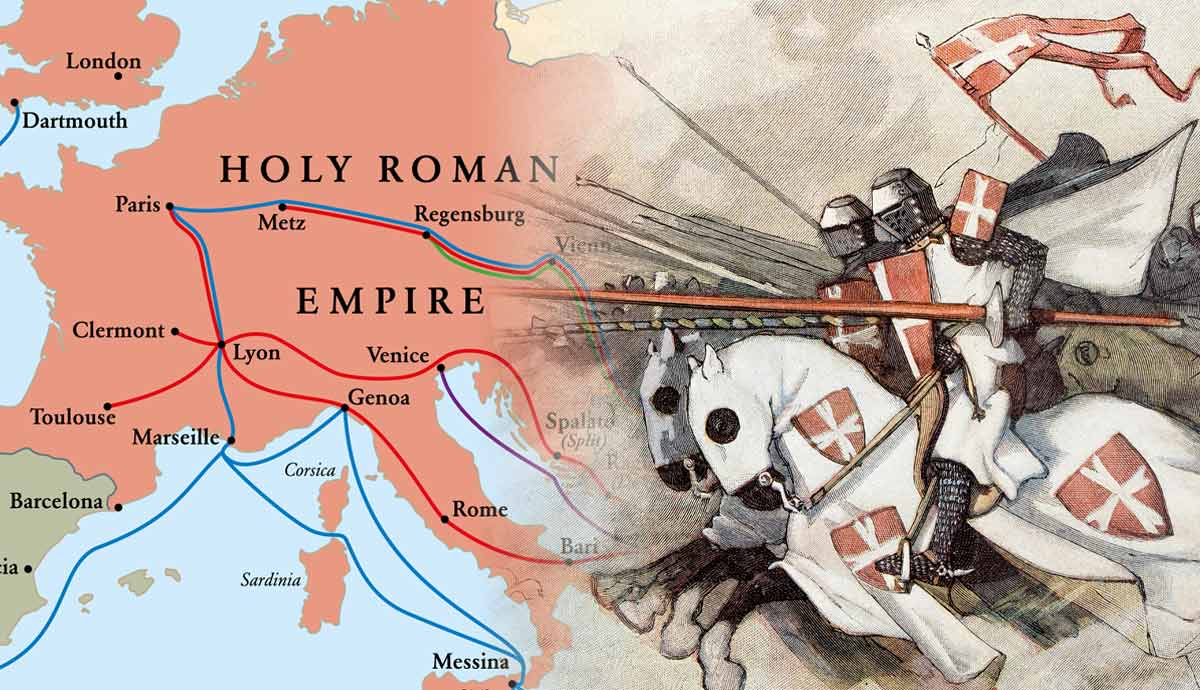
    Throughout the Medieval Period, there were nine major crusades, with most aspiring to reclaim the holy city of Jerusalem from Muslim control. While some saw minor, short-lived successes, the majority resulted in humiliating defeats for the Christians and reaffirmed the power and strength of Muslim forces in the East. With the Ninth Crusade concluding in 1272 CE due to King Edward I of Englands return home to claim his crown, the impact and legacy of the Crusades can still be seen across both East and West almost 800 years later.The First, Second, and Third Crusades, 10961192Peter the Hermit preaching the First Crusade, by James Archer, 19th century. Source: Wikimedia CommonsA cry for help from Emperor Alexios I of the Byzantine Empire against the Seljuk Turks saw Pope Urban II launch the First Crusade, sparking a series of holy wars that lasted almost 200 years. Men across Christendom embarked east in search of adventure, wealth, and spiritual salvation. The Crusaders mission to help Alexios reclaim Byzantine land was a mere stop on the road as the Christians pushed on to their true goal of capturing Jerusalem. The Muslims, disorganized with no leadership, were unable to hold off Christian advances. By 1099, the Crusaders had won, and Jerusalem now came under Christian control.The Muslim counterattack was swift, and with the unification of Muslim forces under one leader, Imad al-Din Zengi, the Crusaders were forced to launch the Second Crusade in defense of the Holy City. A succession of powerful Islamic leaders in Nur al-Din and Saladin saw Muslim forces sweep through the Holy Lands, with each victory dealing devastating blows to Christian forces and their morale. With Saladins unification of his own lands in Egypt and Nur al-Dins territories in Syria, Saladins forces overwhelmed his Christian enemies, and the city fell into Muslim control once more in 1187.Christian kings across Europe vowed to reconquer Jerusalem. The Third Crusade was launched in 1189 with King Richard I of England, King Philip II of France, Emperor Frederick Barbarossa, and Guy de Lusignan uniting their forces to challenge Saladins hold over Jerusalem. However, constant quarrelling between the Christian leaders led to continuous military failure, and the Crusaders were unable to secure the Holy City. The Third Crusade ended in 1192 with Jerusalem still firmly under Saladins control. However, a truce between Saladin and Richard I allowed Christian pilgrims and merchants to pass freely through the holy city.The Fourth, Fifth, and Sixth Crusades, 12021229Frederick II from De arte venandi cum avibus from the Vatican Library, late 13th century. Source: Wikimedia CommonsDespite Christian failures, Pope Innocent III launched the Fourth Crusade in 1202. Jerusalem was, again, the main target; however, the Crusaders faced financial difficulties in Venice. Unable to pay the Venetians for a fleet to sail east, the Crusaders helped Alexios Angelos, the son of a deposed Byzantine emperor, to reclaim the Byzantine throne in return for payment. The Crusaders succeeded; however, Alexios was unable to pay. Alexioss rule was soon usurped, leaving the Crusaders without their pay. In 1204, the Crusaders sacked Constantinople, desperate for financial gain. The aim of conquering Jerusalem was soon abandoned as many Crusaders were too exhausted physically, mentally, and financially to continue.Innocent was determined to reclaim Jerusalem, but the Fifth Crusades goal was to conquer Egypt, securing it as a strong base for future attacks on Jerusalem. The Siege of Damietta in 1218 saw initial Crusader success; however, it came with high Christian casualties. Sultan al-Kamil of Egypt offered Jerusalem in exchange for a Crusader withdrawal from Egypt. Papal legate, Pelagius, however, rejected his offer and instead marched towards Cairo. The Crusading armies found themselves ensnared in the flooding of the Nile and surrounded by Egyptian forces. Innocents armies were forced to surrender, give up Damietta, and return home with the Crusade in tatters.Pope Gregory IX looked to launch a Sixth Crusade with the support of the Holy Roman Emperor, Frederick II. However, Frederick continually delayed the crusades launch, leading to Gregory excommunicating Frederick in 1227. Despite this, Frederick launched his own crusade, turning to diplomacy and negotiation with Sultan al-Kamil for success. The two agreed Jerusalem was to return to Christian control, with Temple Mount and Al-Aqsa Mosque remaining under Muslim control. The Treaty of Jaffa was to last ten years, with Frederick II named King of Jerusalem outside the Roman Church.The Seventh, Eighth, and Ninth Crusades, 12481272Louis IXs arrival at Tunis in 1270, from the Chroniques de Saint-Denis, 14th century. Source: Wikimedia CommonsFredericks ten-year truce soon expired, and Jerusalem fell once again in 1244 to Egypt with the help of Muslim mercenaries. King Louis IX of France, after recovering from illness, vowed to launch the Seventh Crusade as thanks to God for his mercy. Egypt remained the Crusader target, and after successfully capturing Damietta, Louis turned his attention towards Cairo. The Christians faced further humiliating defeats en route at Al Mansurah and Fariskur, where Louis was captured and ransomed for the return of Damietta. The Seventh Crusade marked yet another defeat, costing France huge numbers of casualties and financial strain.Despite his failures, Louis launched the Eighth Crusade. The conflict in Egypt had paved the way for the rise of the Mamluk Sultanate, which had now begun to target the Crusader states in the Holy Land. Louis, aged and his health deteriorating, was determined to keep fighting, and focused on Tunis, where he hoped an attack would force its ruler to convert to Christianity and gain an ally for his cause. However, disease swept through the Christian armies in the intense heat, leading to Louiss death in August 1270. With their leader dead, the Crusader troops withdrew from North Africa.One leader, however, continued towards the Holy Land, launching the Ninth Crusade. Prince Edward of England was determined to defend Crusader lands in the East, as the Mamluks now threatened the Christians remaining territories. Edward experienced some success, from allies with the Mongols who attacked Muslim forces in Syria, to Edwards own small victories in the Holy Land against his enemies. However, in 1272, Edwards father, the King of England, died, forcing Edward to return home to claim his position as King Edward I. Edwards departure left the Crusader states almost defenseless, resulting in the final fall of Acre to the Mamluks in 1291.Lessons From the PastRobert Clive and Mir Jafar at the Battle of Plassey, 1757, painted by Francis Hayman, 1760. Source: National Portrait Gallery, LondonWith the last major crusade concluding almost 800 years ago, it can be difficult to see their relevance in modern society. The passion and intensity with which participants fought to claim or defend the Holy Land demonstrates the spiritual gravitas the Crusades had within both Christianity and Islam.Jerusalem was a city that was fought for, in some capacity, in all nine of the Crusades. The bloodshed during and since the Crusades is exemplary of the devastation and chaos that can ensue from a lack of tolerance and understanding of different faiths and cultures. Frederick IIs negotiations during the Sixth Crusade demonstrate the power of negotiation, and the cohabitation of Christian and Muslim peoples under the Treaty of Jaffa shows how differences can not only be put aside but celebrated together.The Crusade ideology of the other has inspired many throughout history to use religion to justify expansion and conquest. The concept of holy war brought military action and religious belief together, laying the groundwork for later colonial and imperialistic tendencies. The British Empire is but one example of this, where belief in the superiority of the white, Christian world drove a desire to spread British control and Christianize colonies.The Legacy of Crusading LeadersSaladin, by Cristofano Dell Altissimo, 1568. Source: Wikimedia CommonsMany of the Crusades leaders have been revered and remembered in history for their part played in the wars. Saladin, a hugely successful military strategist, is revered today as a great historical leader. His tactics and strategies have been studied by military commanders since, hoping to learn from his expertise.Richard I is also remembered as one of the greatest British monarchs in history. Richards strategies and determination to stand alone after disagreements with his allies have overshadowed Richards own spending of English wealth on the Third Crusade, leading to King Johns unpopular, yet arguably necessary, decision to tax the English people to replenish his coffers.Some legacies, however, remain more hidden than the characters that appear frequently in popular culture. The Knights Templar, a religious, military brotherhood founded to defend Christian pilgrims venturing to the Holy Land, have been credited with the creation of the modern banking system. Originally designed for travelers to keep possessions safe during their travels to Jerusalem for a small fee, the financial system we use today is immediately recognizable in the Templars early creation.
    0 Comments 0 Shares 0 Views
  • WWW.THECOLLECTOR.COM
    The Short Life of Henry FitzRoy, the Tudor Prince Who Never Became a King
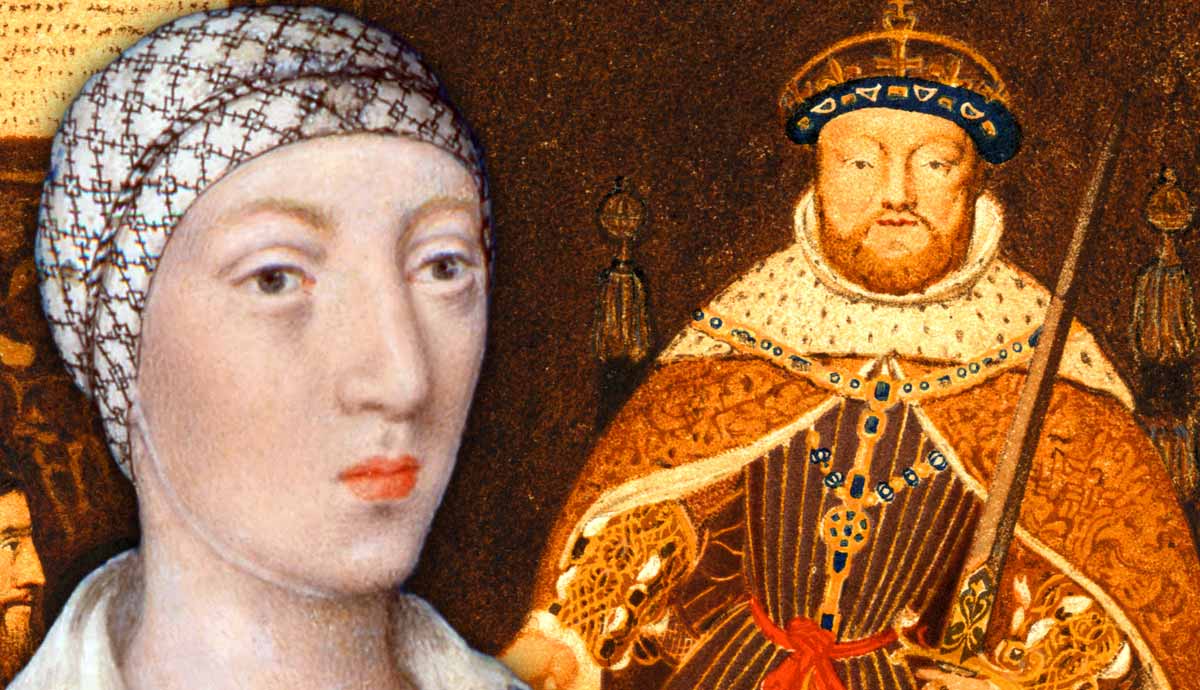
    During the course of the Tudor Dynasty, no two royal successions were alike. England, which had never previously been ruled by a woman, had three Tudor queens on the throne, two of whose legitimate status varied over time. In an age when monarchs could create acts of succession, spelling out who was legitimate and whose royal claim was valid, it is curious that Henry VIIIs illegitimate son, Henry FitzRoy, was never legitimized and given a place in the succession to the English throne, especially as before the birth of the future Edward VI, King Henry had no legitimate male heir.The (Relatively Short) Life of Henry FitzRoyHenry FitzRoy, Duke of Somerset and Richmond, by Lucas Horenbout, c. 1533. Source: Wikimedia CommonsHenry FitzRoy was born on June 15, 1519, the son of Henry VIII and his mistress, Elizabeth Blount, one of the ladies-in-waiting of the English queen, Katherine of Aragon. Although royal mistresses were not as publicly accepted in England as they were in France, where they could even hold positions at court, they were certainly not unheard of.As the queen had not produced a son who had lived past infancy (only one daughter, Mary) in a decade of marriage, the fact that Blount could sire a son for the king proved that Henry could produce healthy male children, while also implying that Katherine could not. King Henry was overjoyed at his sons birth, openly acknowledging him as his own, and naming him Henry with the surname FitzRoy, literally son of the king, as if to quell any doubts as to whose son he was.In 1525, at the young age of six, Henry FitzRoy was admitted into the prestigious Order of the Garter, the English chivalric order begun by King Edward III in the 14th century, perhaps the highest honor possible in England. That same year, Henry VIII began bestowing upon him an impressive array of titles: Duke of Richmond and Somerset, Lord High Admiral of England, Lord President of the Council of the North, and Warden of the Marches. A princely household was established for him, and his upbringing varied little from that of a royal heir. This was by no means the usual curriculum vitae of a bastard son in Tudor England, and this fact would have been lost on no one at court.Catherine of Aragon as the Magdalene, by Michael Sittow, c. 1515-16. Source: Detroit Institute of ArtsIn 1533, Henry FitzRoy married Mary Howard, daughter of Thomas Howard, Duke of Norfolk, and one of the most powerful men in England. However, Henry VIII refused to allow the marriage to be consummated, purportedly out of concern for young FitzRoys health (which it could be argued was entirely ineffective preventative healthcare).Although there was a precedent for such thinking, as it was rumored that the kings older brother, Arthur, had become ill and died after sexual overindulgence, the true motivation for such a restriction was far more likely one much more in keeping with Henrys Machiavellian naturenamely, that if the marriage was never consummated, it could be easily annulled if a more politically advantageous match should present itself.And indeed, there is evidence that as early as 1534, Henry began exploring the possibilities for a marriage between FitzRoy and Mary of Guise, which, if brought to fruition, would have required an annulment of his marriage with Mary Howard.The fact that Henry considered a match for his son with the Guisesone of the most powerful families in Franceis a clear indication that he held open the possibility of great things for FitzRoy, perhaps even legitimization and naming him as heir to the throne, especially as Anne Boleyn had not yet produced a male heir. However, Henry FitzRoy became ill, most likely with tuberculosis, and died at the age of 17 in July 1536.The Many Paths to the Tudor ThroneThomas Howard, Third Duke of Norfolk (1473-1554), by Hans Holbein the Younger, c. 1539. Source: Wikimedia CommonsThe fact that Henry FitzRoy, born illegitimate, was never named to the royal succession would come as no surprise in another age. But in Tudor England, an illegitimate birth was not quite the obstacle it was in other lands or even in other eras of English history. Indeed, the only normal royal succession of the entire Tudor Dynastywherein the crown passed from father to (indisputably) legitimate male heirwas that of Henry VIII, when he succeeded to the throne upon the death of his father, Henry VII. A brief look at how the English crown was passed down the Tudor line will put Henry FitzRoys royal eligibility in context.With the exception of Jane Grey, all of the Tudor monarchs of England after Henry VIII were his offspring, and each ones legitimacy and right to rule were questioned from at least one corner. The annulment of Henrys marriage to Katherine of Aragon, his first wife, was held to be invalid by Catholics since it was obtained outside the church of Rome. Thus, to Catholics, Henrys only legitimate child was Mary, his daughter with Katherine. According to this interpretation, both Elizabeth, Henrys daughter with Anne Boleyn, and Edward, his son with Jane Seymour, were illegitimate since he was still married to Katherine of Aragon. In order to quell any doubts over the crowns future, Henry turned to a parliamentary tactic called an Act of Succession, of which there were three during his reign.Portrait of Jane Seymour, by the workshop of Hans Holbein the Younger, c. 1540. Source: Wikimedia CommonsThe first Act of Succession (1534) illegitimized Mary, removed her from the line of succession, and declared Elizabeth and any other future offspring of Henry and Anne Boleyn as legitimate heirs to the throne. The second Act of Succession (1536) declared Elizabeth also illegitimate (now that her mother had been executed) and, importantly, gave Henry the power to name his successor by letters patent or royal will in the event that he died without a legitimate heir. The third Act of Succession restored both Mary and Elizabeth to the royal succession (though without restoring their legitimacy) and confirmed Edward, Henrys son by Jane Seymour, as heir to the throne (followed by Mary and Elizabeth if Edward were to die childless).Edward VI continued his fathers use of letters patent to ensure (unsuccessfully) that his Catholic sister Mary would not succeed to the throne, leading to the brief (and disputed) reign of Jane Grey, the so-called Nine Days Queen. Ultimately, Mary and Elizabeth, both of whom had been alternatively legitimate and illegitimate, succeeded to the English throne.How Henry FitzRoy Could Have Been KingPortrait of Henry VIII, by the workshop of Hans Holbein the Younger, c. 1540-47. Source: Walker Art GalleryAs he demonstrated repeatedly, there were few rules that Henry VIII was unwilling to either bend or break to have his way regarding both his marital status and the royal succession. The favors which Henry showered upon FitzRoy from an early age demonstrated to everyone that he considered the boy to be much more than simply the bastard offspring of a royal mistress. And speculation regarding FitzRoys royal candidacy was not limited to the English court. Eustace Chapuys, the Imperial ambassador in England, wrote to Emperor Charles V in 1536 regarding the possibility that Henry might legitimize FitzRoy and designate him as heir.When the second Act of Succession was enacted in the summer of 1536, there was still no legitimate male heir. This would have been the perfect time for Henry to legitimize his bastard son, and he may well have intended to do so, but the fact that FitzRoy died in July of that year is a likely indication that he was already too sickly for such a consideration.Catherine of Aragon, by Lucas Horenbout, 1525. Source: Wikimedia CommonsPossessing both the motive and means to do so, it is unclear why Henry did not ever legitimize FitzRoy or name him to the succession before his fatal illness, but one possibility at least seems plausiblenamely, that Henry and Elizabeth Blount had never been married. Now, in Catholic eyes, Henry had never been married to anyone other than Katherine of Aragon, but as far as Henry was concerned, his subsequent marriages were equally valid, even though they took place outside the church of Rome. A son or daughter could be legitimized or illegitimized, but an extramarital relationship could not be converted into a marriage ex post facto, within or without the bounds of the Catholic Church.This may have been an important distinction in Henrys mind, especially since his chief rival, King Francis I of France, had two unquestionably legitimate sons, one of whom would succeed him as king of France (Henry II). Perhaps Henry believed that only a son born in wedlock could be the equal of one of Franciss sons.The Ambassadors, by Hans Holbein the Younger, 1533. Source: Wikimedia CommonsIf Henry FitzRoy had survived his illness in 1536, then it seems likely that Edward VI would have named him to the succession, assuming Henry VIII had not done so already. Perhaps even more than his father, who had already (most likely reluctantly) restored Mary and Elizabeth to the succession, Edward was insistent that only a male heir should succeed to the throne. In the early drafts of his Devise for the Succession (1553) he made it clear that only a male could succeed to the throne, but his deteriorating health, the lack of a viable male candidate, and pressure from the powerful Duke of Northumberland led to several modifications, resulting in Edward naming Jane Grey as heir to the throne in the final Letters Patent.However, if his illegitimate half-brother, Henry FitzRoy, had still been alive when Edwards health began to fail, he most assuredly would have named him as heir to the throne over any female candidate, no matter her lineage or the validity of her claim. By 1553, FitzRoy would most likely have had one or more surviving children of his own, perhaps even a son or two, to succeed to the throne after him. The Tudor Dynasty would have continued with a king instead of a queen, and the second half of the 16th century would have looked quite different.More Unknowns Than KnownsEdward VI as a Child, by Hans Holbein the Younger, c. 1538. Source: National Gallery of Art (Washington, DC)Unfortunately, we simply do not know what Henry FitzRoy himself thought about his own position in Tudor England. If he had any hopes or dreams of one day succeeding to the English throne, there is no record of it, which is hardly surprising given that putting such a sentiment down in writing could have been dangerous. What little writing exists from his own hand mostly consists of correspondence related to his various positions as Duke of Richmond, Warden of the Marches, and others.It would be fascinating to know whether he resented his father for not legitimizing him, especially after the divorce from Katherine of Aragon and the delegitimization of Mary. Henry FitzRoy spent his entire life as the only son of Henry VIII (he died before Edward was born), so one can only assume that at least once he asked the question, Why not me?
    0 Comments 0 Shares 0 Views
  • 0 Comments 0 Shares 0 Views