


For The First Time Ever We Have A Complete Map Of Brain Activity, And It’s Dazzling
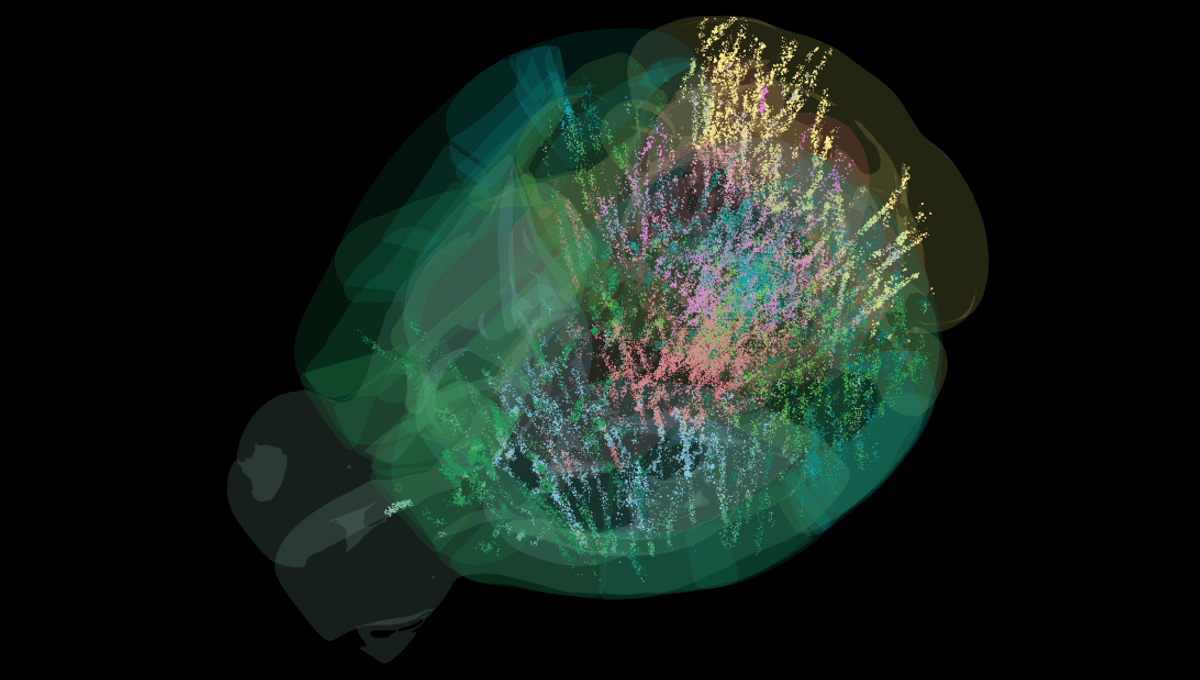
First-Ever Complete Map Of Brain Activity Reveals Decision Making “Is Distributed Over A Huge Chunk Of Brain”
A huge project led by neuroscientists from all across the world has achieved world-first insight into what decision-making looks like in the brain. It marks the first time a single-cell, electrophysiological brain map of this size has been generated in a mammal, and it’s already challenging what we thought we knew about how decisions are made.
The rest of this article is behind a paywall. Please sign in or subscribe to access the full content. Using the brains of mice, the novel map has revealed brain activity in unprecedented detail as the researchers were able to record from over half a million neurons covering 279 brain areas. In total, that represents 95 percent of the brain volume of the mice that were studied in 12 labs across the globe. According to a statement from Professor Alexandre Pouget, Co-Founder of The International Brain Laboratory (IBL) and Group Leader at the University of Geneva, “The decision-making activity, and particularly reward, lit up the brain like a Christmas tree.” “Having these single cell measurements afforded unprecedented insight into how these many cells collectively support decision-making,” said Dr Anne Churchland, Professor of Neurobiology at the University of California, Los Angeles (UCLA) and one of the core members of IBL, to IFLScience. “One thing that surprised many of us was how many brain areas were involved.” “This was surprising because the decision being made was rather simple; conventional wisdom held that such decisions would activate only a small number of highly dedicated areas. The observations points to a new way of thinking which is that the job of making a decision is distributed over a huge chunk of brain.” Those 12 labs used state-of-the-art electrodes called Neuropixels probes to capture simultaneous neural recordings as mice were given a task: a screen would show a light on the left or right side, and when the mouse moved a wheel in that direction, it got a treat. To make it a little bit harder, they adjusted the brightness of the lights until the mice were, essentially, guessing which way to roll the wheel. This meant the researchers got a snapshot of their brain activity when making a decision, and got to see how it reacted when they had to use prior expectations to inform a new decision. We can't use the same technology to study human brains, but we share many similarities with the brains of mice. Image credit: Dan Birman, International Brain Laboratory This turned up some surprising results, as the brain activity map shows that these expectations aren’t only in cognitive areas but also parts of the brain connected to processing sensory information such as the thalamus, which is the frontrunner for visual processing. Where this gets particularly interesting from a human health perspective is that it could help us to better understand conditions such as schizophrenia and autism, which are thought to be caused by differences in the way expectations are coded in the brain. This kind of brain activity map can’t be scaled to human brains for ethical reasons, but we have good reason to believe that much of what we learn from animal brains will be applicable to our own species, or at least be a reasonable starting point, because our brains share so many similarities. Here, the international team of neuroscientists are already making progress. “We discovered that neural activity in many brain areas is modulated by prior beliefs about the decision (for instance, the likelihood that the stimulus would appear on one side or the other),” explained Churchland. “Previous work has demonstrated that human and animal behavior are very similarly modulated by prior beliefs, suggesting that the underlying brain circuits might likewise be similar. Since the ability to combine prior beliefs with evidence is disrupted in psychiatric disease, our observations could pave the way for a deeper understanding of how these diseases alter brain circuits.” This research is presented in two studies published in the journal Nature: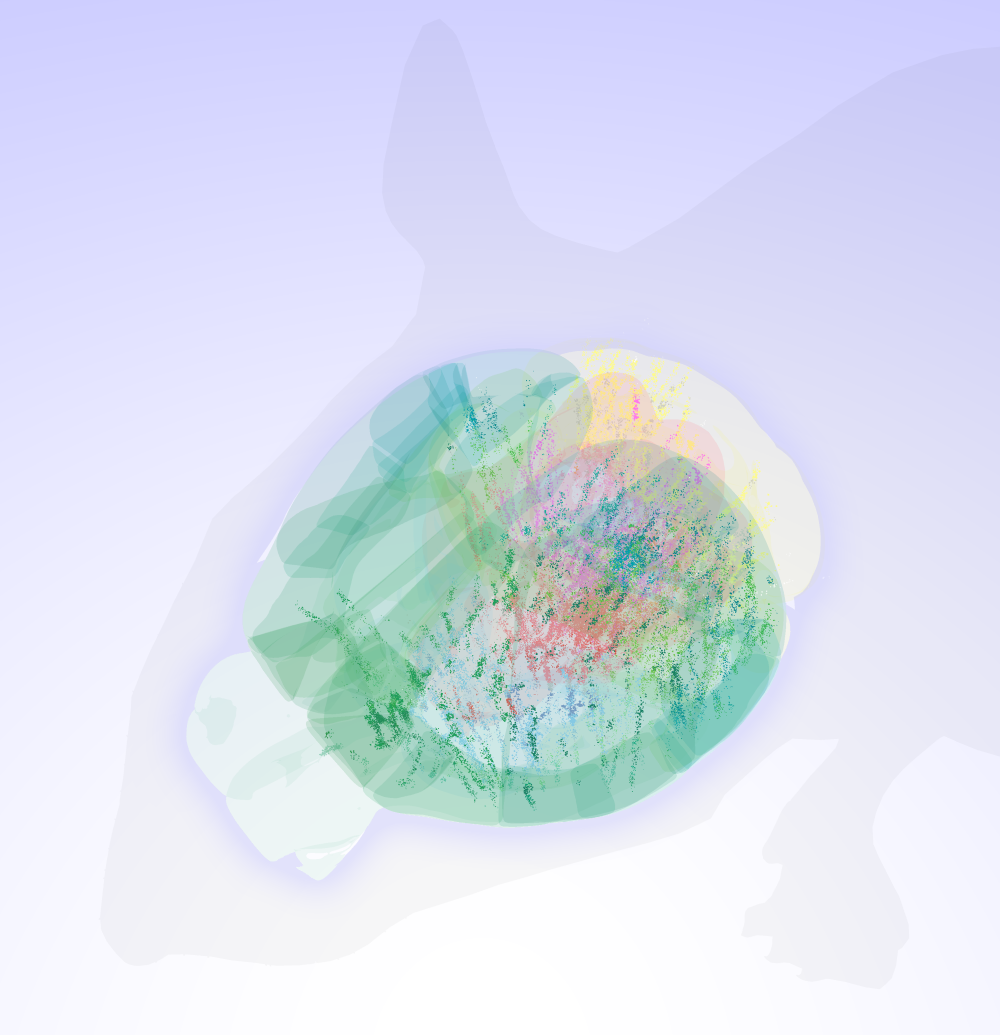

 Arabic
 French
 Spanish
 Portuguese
 Deutsch
 Turkish
 Dutch
Dutch
 Italiano
 Russian
 Romaian
 Portuguese (Brazil)
 Greek
Greek