


Onurdongel/Getty Images
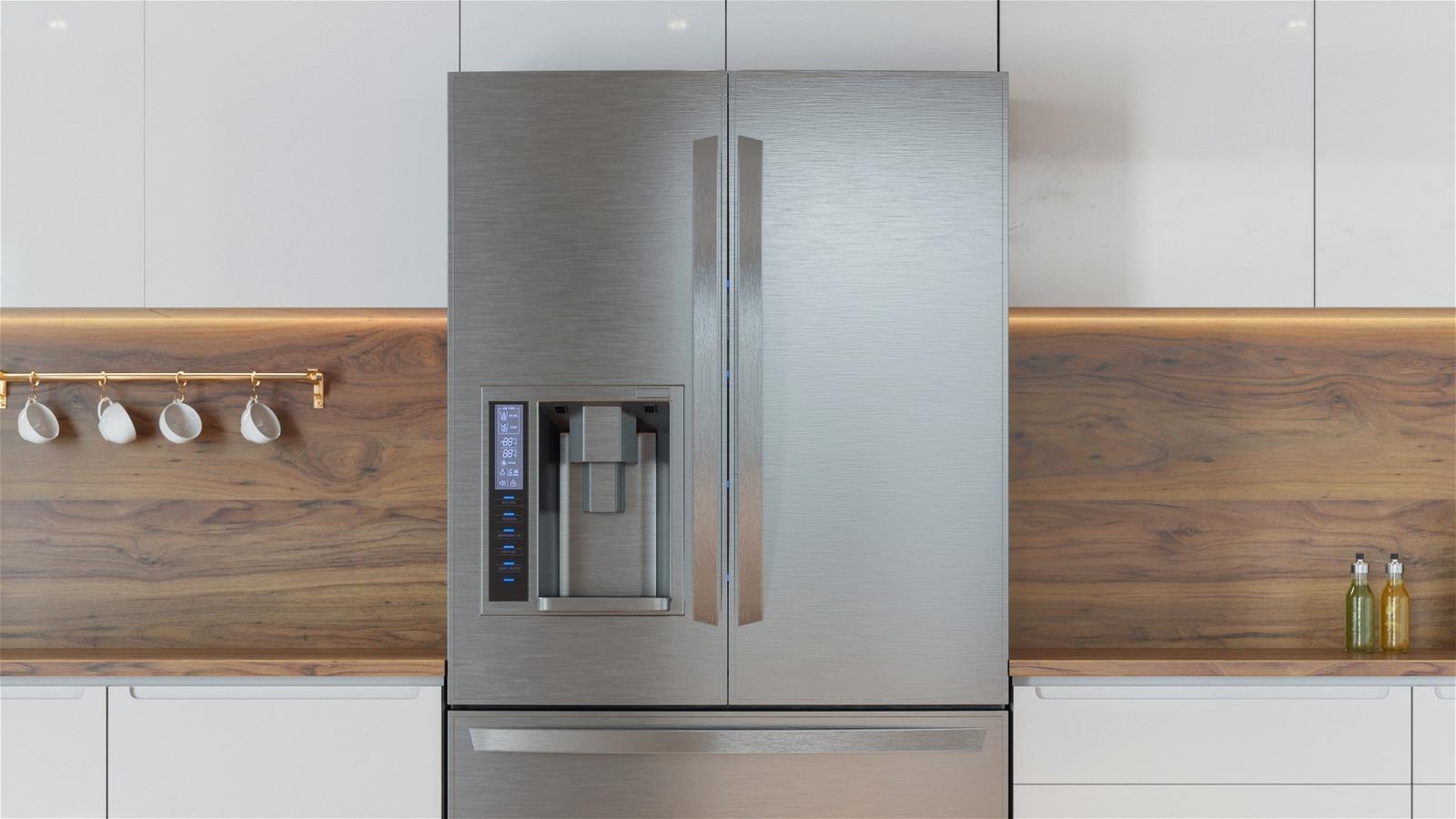
If you've shopped around for refrigerators within the past few years, you might have noticed that a growing number of them have a built-in Sabbath mode. This feature allows Jewish people who observe Sabbath laws and traditions to use their appliances without much fuss.
Depending on the refrigerator's brand and model, Sabbath mode can alter or disable a variety of features. In most of them, the interior lights won't turn on when you open the door. Others will instead keep the lights on even with the door closed, usually at a dimmer setting. Models with water dispensers and ice makers will temporarily shut down those features when Sabbath mode is enabled, as well as any touchscreens or displays. Temperature controls are also disabled, with some refrigerators entering a timed defrost mode to keep things cool. In short, everything that constitutes "work" is turned off, but the fridge can still chill food — meaning your aunt's gefilte (or "stuffed") fish stays safe.
These changes allow homeowners to use their refrigerators without the risk of breaking certain prohibitions on work during the Sabbath, with the exact reason depending on interpretation. For instance, turning your refrigerator light on when opening the door can constitute igniting a flame, since the bulb itself generates light and heat. Prior to Sabbath mode, some owners would have to resort to workarounds like removing the bulbs in order to open their fridges during the Sabbath, so for many customers, this mode is a welcome improvement.
Sabbath mode has been around longer than you may think
Sabbath mode has been a kitchen appliance feature for more than 30 years and was introduced by KitchenAid, the top kitchen appliance brand in the U.S. The mode's earliest known published mention appeared in a late 1994 issue of The Weekly Home Furnishings Newspaper (via Word Spy). The paper reported that the brand began adding Sabbath mode to some of its new ovens as a feature requested by customers who were Orthodox Jews.
According to the story, the mode allowed the ovens to disable the safety feature that made the appliances turn off after 12 hours of operation, allowing customers to run them indefinitely. By setting the oven to run ahead of time, people could use the ovens to warm their food without having to turn them on during the Sabbath itself.
In 1996, Whirlpool — which acquired KitchenAid in 1986 — pioneered the formalization of Sabbath mode by filing a patent that was eventually granted in 1998. The patent was originally for a range but later expanded to other products in the company's lineup. A year after filing the patent, Whirlpool began collaborating with nonprofit organization Star-K on its designs in order to secure kosher certification. Other manufacturers like GE and Samsung followed suit in later years. Across all brands, refrigerators became one of the more common appliances to feature the mode.
What happens in other appliances with Sabbath mode?
Benedek/Getty Images
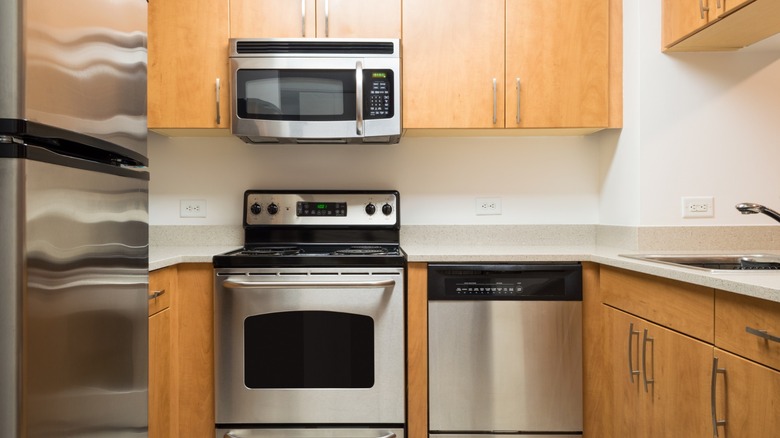
Modern ranges with Sabbath modes do more than stay warm indefinitely. Depending on the model, the range will also cease displaying the time or temperature while the mode is active. Sounds, alerts, and certain energy-saving features may be disabled, as are certain keys that are potentially problematic when it comes to the prohibition on adjusting or "kindling" flames. Some models may also lock oven controls and restrict the temperature to a "heating" setting. Cooking is forbidden during the Sabbath, so the mode won't allow your oven to reach a high enough temperature to actually cook anything. So, if you plan on making a vivid rainbow challah for Sabbath, bake it the day before.
In dishwashers, Sabbath mode can disable displays, sounds, and alerts while also ensuring the light stays off when you open the door. Simpler refrigeration units like wine chillers will usually just disable the lights, allowing you to store your bottles properly (aka in the dark) without worry.
Some Whirlpool appliances might also have a Kosher Consumer Friendly mode, which is basically a lighter version of Sabbath mode. Microwaves with this feature will disable their interior lights when the mode is activated, but the exterior display will remain on — it'll just be frozen at its current reading. The keypad will be deactivated except for the cancel button, and the heating elements will immediately shut down when the door is opened.

 Arabic
 French
 Spanish
 Portuguese
 Deutsch
 Turkish
 Dutch
Dutch
 Italiano
 Russian
 Romaian
 Portuguese (Brazil)
 Greek
Greek