


Zeljkosantrac/Getty Images
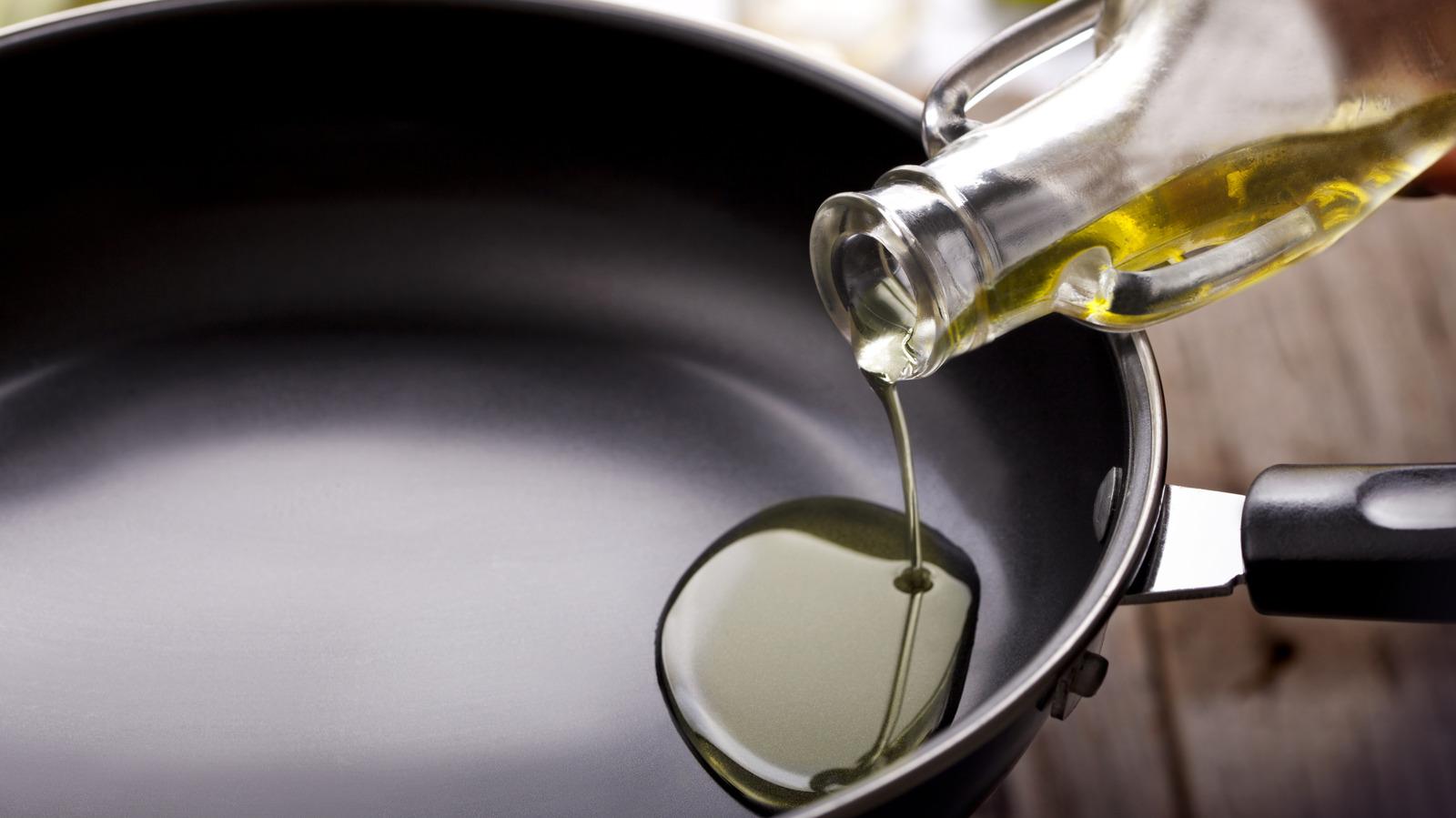
Sometimes, it feels like eating healthily has become a minefield. There are so many contradictory claims about various cooking oils that it makes you wonder if you have to swear off things like fried chicken for good, which not many people actually want to do. Still, even oils that have earned praise in the wellness world, like olive oil, are very calorie-dense. For those trying to slim down or maintain their weight, the idea of going overboard with cooking oils can be anxiety-inducing.
If you're the type of person who does generous pours of cooking oil each time you cook, cutting back could have some positive effects, such as reducing inflammation and bad cholesterol. If your doctor has advised you to lower your fat intake, you may think that your meals have to suffer. The truth is that cooking with less oil doesn't mean your meals will be bland or have a boring texture. You just need to learn how to avoid some common pitfalls. Read on to discover 12 simple cooking tips for using less oil that will change your perspective on cooking techniques.
1. Sautée veggies with water or broth
CLWphoto/Shutterstock
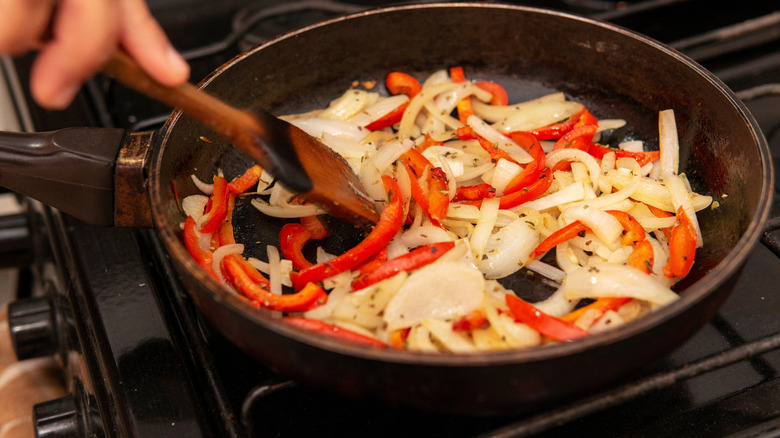
When learning how to sautée onions, traditional methods call for generous amounts of oil and butter. Undoubtedly, those onions come out gorgeous and flavorful, yet some folks only want to caramelize onions like that for special occasions. For everyday cooking, you can still develop nice browning on onions with just one ingredient: Water. If you want to get a little fancy, a broth of your choice can add more flavor while having minimal impact on calories.
To start, always preheat the pan. Starting with a cold pan will not only slow down the process, but will also cause your onions to steam rather than caramelize. Once the pan is ready, pour the sliced or chopped onions into it and spread them out to maximize direct contact with the hot pan. Let them sit for about 30 seconds without touching them. Then use a cooking spoon to constantly shuffle the onions around the pan to prevent sticking. You should notice that they're already starting to brown.
Don't worry if some onions don't want to let go of the pan. This is when you can dump a little bit of broth or water in to free them and deglaze the pan, which boosts the flavor. Avoid pouring too much liquid in at once because that's when the onions will steam.
2. Use an air fryer
Milan_jovic/Getty Images
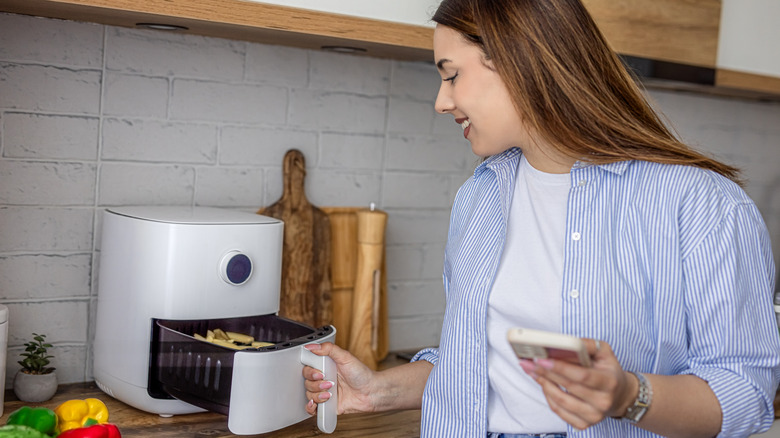
Some people just want to dump their food into a device and forget about it, which is why air fryers skyrocketed in popularity. People love air fryer recipes for their simplicity and reliably scrumptious results. It seems like magic that just a little bit of oil can make food so crispy in about 20 minutes.
Shockingly, using an air fryer can reduce your oil intake by 70-80% over traditional deep frying. The brilliance lies in its thoughtful design. The inventor of the air fryer utilized rapid-air technology, which is similar to what a convection oven does. It uses a fan to circulate hot air so more surface area can crisp up without the need for flipping. Another lesser-known benefit of using an air fryer is reduced acrylamide, which is a cancer-causing compound that forms when foods are cooked at high heat, such as during deep frying. All in all, air fryers are a cool tool that lets people enjoy crispy treats without excess calories or harmful compounds.
If you don't already own an air fryer, it's helpful to keep in mind that there is a wide variety of sizes and features that suit various households and cooking preferences. Taking a look at our review of the best air fryers can help you familiarize yourself with different models and find your ideal option.
3. Brush your food with oil
Arina P Habich/Shutterstock
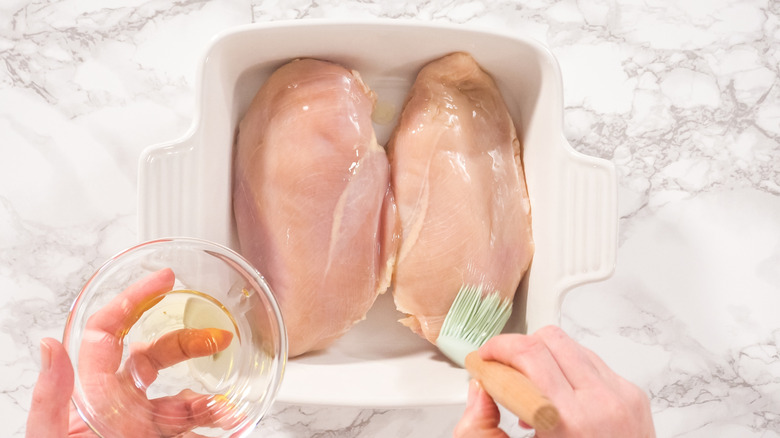
Adding a splash of oil to your pan can help develop a crust on your protein and prevent sticking, but this isn't the only way you can reap those benefits. Instead of adding a few extra hundred calories to the meal, you can be more mindful about oil use. With a brush, you can dip into the oil and create a fatty layer that sears beautifully. If you plan on flipping the meat, add another layer on top before rotating the protein. This technique can cut down on calories a substantial amount.
When it comes to brushes, consider upgrading your utensils. Bristled basting brushes have been people's go-to, especially when barbecuing meat. However, there have been an alarming number of hospitalizations when people started experiencing throat pain after eating meat that's been basted with these brushes. Sometimes, the bristles can come off, stick to the meat, and then lodge in your throat. They're extremely difficult to remove on your own.
Instead, you may want to make the switch to a silicone basting brush. These brushes are much more durable, and you never need to worry about swallowing any part of them. If you'd like a more flavorful approach, you definitely need to try creating an herb brush for your next steak. It's a clever trick to enhance the taste of your protein while reducing the amount of fat you use.
4. Spread your food out on parchment paper and roast on high heat
Volha Van Meer/Getty Images
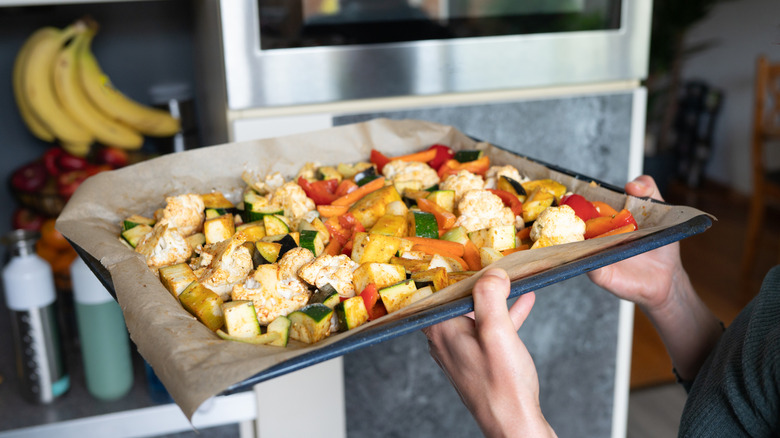
Our recipe for the best roasted vegetables requires just two tablespoons of olive oil. However, if you're dedicated to not adding any extra fat to your meal, you can still achieve an incredible texture. A tool that's non-negotiable, though, is parchment paper. The last thing you'd want to do is invest time roasting veggies only to ruin your food and pan because everything is stuck. Besides, there are many more effective and enjoyable arm workouts than wrangling an unruly sheet pan in the sink.
To start, preheat an oven to 425 F, and line a sheet pan with parchment paper. Next, carefully set out all your veggies, cut to a uniform size, and make sure each one has room to breathe. If not, the steam from a neighboring chunk will soften the surrounding veggies. Halfway through the cooking time, flip the vegetables over so the other side has a chance to brown. The oven may have hot spots, so after you're done flipping, place the pan in the opposite direction to prevent anything from getting scorched. Only season and dress the veggies after they're done cooking.
The trickiest aspect of this cooking method is that there is no set cooking time. Each veggie has its own water content, so some ingredients need to be roasted longer than others. Thicker cuts also need more time, so just keep an eye on your pan and consider adding vegetables in stages.
5. Use an oil sprayer
Liudmila Chernetska/Getty Images
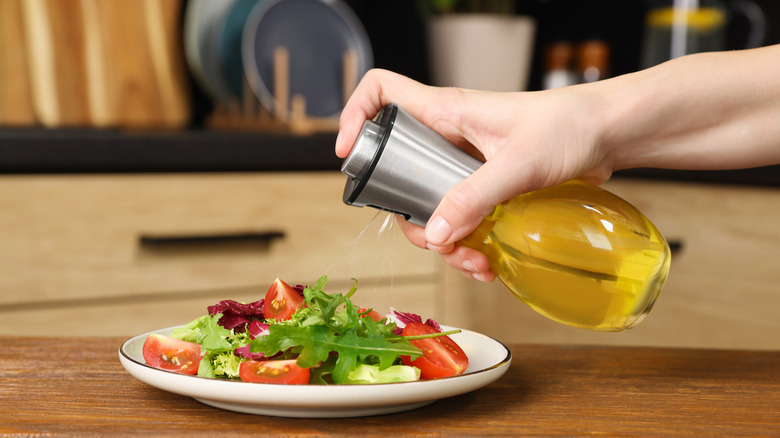
If you check out our guide for the best olive oil dispensers, you'll know that some tools help drizzle while others spray. Investing in an olive oil sprayer can help you get more bang for your buck in terms of wellness and finances. Extra-virgin olive oil isn't cheap, and it packs 119 calories per tablespoon. Some people truly believe that you can never eat enough olive oil because it has protective qualities, but the calories can put folks in a tough spot.
With a sprayer, you can get excellent coverage on your pots, pans, and baking sheets without feeling like you're drowning the cookware in oil. The benefits of buying your own sprayer are that it's reusable, and you don't have to worry about the nasty chemicals that are added to store-bought cooking sprays. Don't stop at extra-virgin olive oil. You can swap out other healthier oils whenever you run out or buy extra sprayers to fill with your favorites. For example, have one sprayer filled with avocado oil for dishes that require a high cooking temperature. Avocado oil can withstand temperatures up to 520 F, while extra-virgin olive oil has a smoke point between 325 and 410 F. You can still use extra-virgin olive oil at a moderately high heat; you'll just have to keep a closer eye on the food to avoid burning it.
6. Experiment with water-velveting
Jem Jez Sahagun/Shutterstock
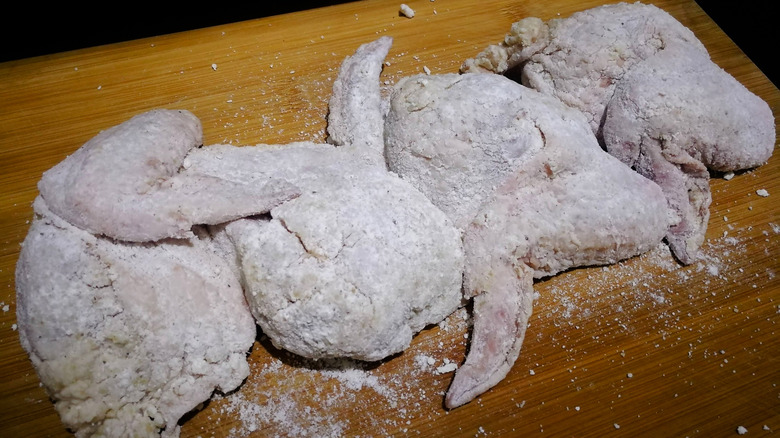
If you want super tender chicken, you need to learn the power of velveting, which is a traditional Chinese cooking technique. That delicious stir-fry that you order from your favorite takeout joint when you're trying to choose a healthier entree is likely made with velveting. Essentially, the technique calls for marinating the chicken in cornstarch before frying it quickly in hot oil. It works on any cut of meat, and the result is always impeccable tenderness.
However, even a flash-fry won't work if you're trying to be mindful of your oil consumption. Cue water-velveting, which is a similar technique that removes oil from the equation entirely. Instead, the meat is quickly boiled in water before going into the wok for stir-frying.
Some cooks prefer to coat their meat with cornstarch, while others also add egg whites. Once the coated meat touches the hot water, the starch forms a protective seal that shields it from the high-temperature wok. At the same time, the texture becomes smooth and silky, which is why your at-home stir-fries never seem to taste as good. Taking the time to use this water-velveting technique will not only reduce your oil intake but also make your proteins taste much more luxurious. The process may seem intimidating to newbies, but there's really not much to it. You'll be blown away by how much of a difference this one step makes.
7. Always use measuring spoons when pouring oil
Joey Evans/Getty Images
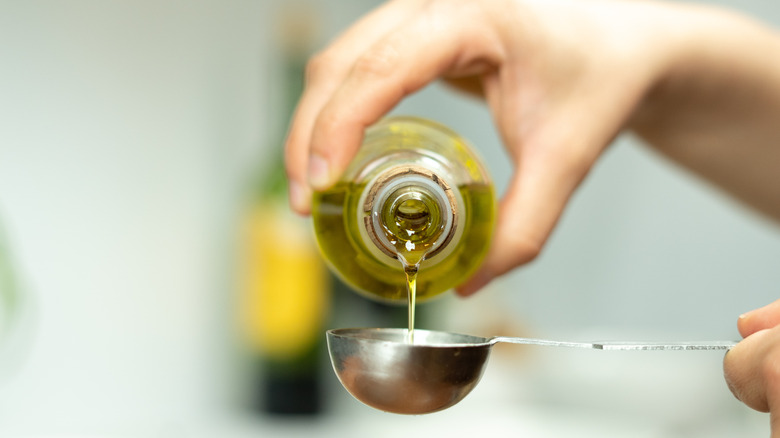
Bakers always emphasize how critical it is to use precise measurements when following recipes. If not, you could wind up with flat cupcakes or sickly sweet cookies. Yet how often do you hear chefs instruct home cooks to add a splash or a glug of something while cooking a meal? It's fun to have all of that freedom, but it can also really get in the way of your wellness goals if you're not careful.
Limiting the amount of dishes you dirty while preparing a meal is a valid struggle, but it's worth pulling out your measuring spoons to get a precise amount of cooking oil. It's the only way you'll know how much you're using, rather than relying on a guesstimate. The sad reality is that most casual home cooks tend to underestimate how much oil they use because eyeballing a tablespoon of liquid is challenging. Plus, it can be disturbing to accept that giving your pan a generous coating could add 500 calories to a dish when you swear you only added a tablespoon or two.
If you use your measuring spoon often enough, you might be able to memorize when to lift the jug of cooking oil back up before pouring more than a tablespoon. Until then, give yourself the peace of mind that you're staying within your nutritional boundaries.
8. Make creamy sauces with whole foods
Mariha-kitchen/Getty Images
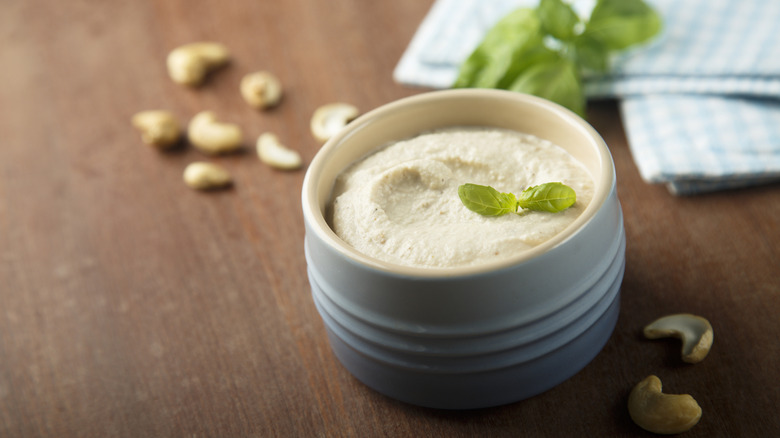
One of the most exciting ways to cut added oils from your diet is by experimenting with delicious whole-food alternatives that offer incredible health benefits. Seriously, you'll feel like a wizard when you blitz cashews in a blender with some water and discover a creamy sauce inside that's fairly neutral tasting. Once you doctor the mixture up with some spices and other ingredients, you can add it to all kinds of dishes where you'd normally use oil as the base.
Some other common plant-based ingredients you can throw in a blender include boiled potatoes, cannellini beans, silken tofu, aquafaba (the liquid from canned chickpeas), cauliflower, tahini, hummus, yogurt, avocado, and oats. This definitely requires experimentation, but if you plan on sticking to a low-oil diet long-term, it's worth tweaking your recipes until they're perfect for your taste buds. These nutritious bases can lead to creamy mac and cheese and alfredo, as well as rich stews and so much more.
You don't need to buy salad dressings that are loaded with highly processed oils that increase inflammation in your body, or drench your greens in a homemade dressing that contains hundreds of calories of extra-virgin olive oil. With so many oil-free recipes, you can make luscious sauces that are great on salads, pasta, rice, or can be used for dipping.
9. Don't use overpowering bananas when making healthier pancakes
Fcafotodigital/Getty Images
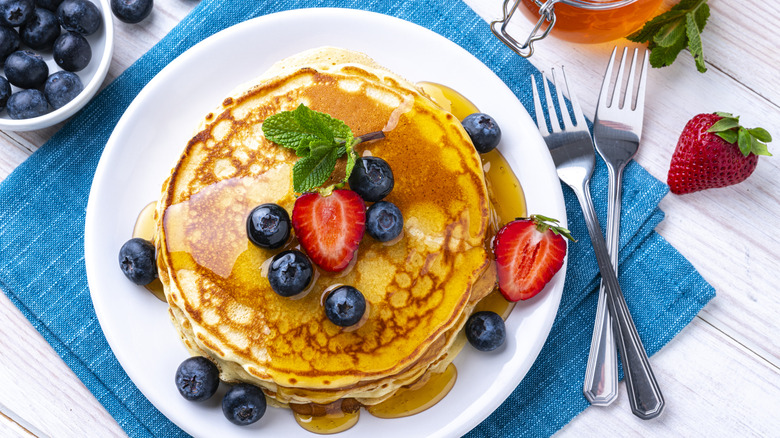
Most traditional buttermilk pancakes call for melted butter. Sometimes folks use cooking oil for convenience when they don't want to wrangle a greasy stick of butter or have run out of it. Believe it or not, you can still make a glorious stack of fluffy pancakes without any added oil.
The problem is that most healthier pancake recipes call for bananas. It's true that this fruit has magical powers. It's sweet and can really bind everything together. The problem is that bananas are large and in charge. When you include even a little bit of banana in a recipe, your taste buds will detect it. There's certainly a time and a place for banana-flavored treats. Chocolate chip banana bread is one of the most popular ways to make use of overly ripe bananas. Yet most people would agree that pancakes made with mashed banana don't scratch the itch for traditional pancakes.
That's why Mashed developed a 3-ingredient pancake recipe that removes bananas from the equation. All you need is self-rising flour, one egg, and milk. As long as you pay attention to the pancakes while they cook and flip them once bubbles form, your pancakes will be perfect. It's totally up to you if you want to top your stack with a pat of butter, but at least you can feel great about creating a tasty oil-free batter. Nut butter could also be a wholesome, rich topping option.
10. Don't overlook the power of arrowroot or cornstarch
Mescioglu/Getty Images
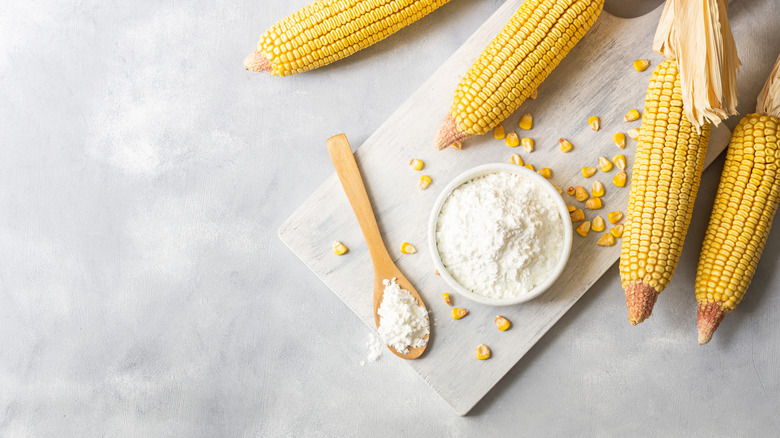
Did you know that the secret ingredient for extra crispy fries is cornstarch? In some cases, people apply a coating of cornstarch before throwing the fries into a deep fryer. However, that's oil city! This humble starch can still lend a helping hand when you make oven-roasted fries without any oil. Just give them a quick toss before carefully spreading the potatoes on your sheet pan, so each fry has room to crisp up.
For an even healthier alternative that's less processed than cornstarch, you can also try arrowroot. It may not be as widespread as cornstarch, but plenty of grocery stores sell it. This starch accomplishes the same task. It'll create a lovely layer around the fries that crisps beautifully in the oven.
If you aren't afraid of getting your hands a little messy, "America's Test Kitchen" came up with a way to get more out of starch-coated fries. Instead of tossing the fries into the powder, they recommend adding water to the bowl with starch and microwaving it until it thickens. Then you can dump the potatoes in and work the mixture onto every surface. Doing this eliminates the risk of your potatoes looking dusty.
11. Use high-quality nonstick pots and pans
Donita Studio/Shutterstock
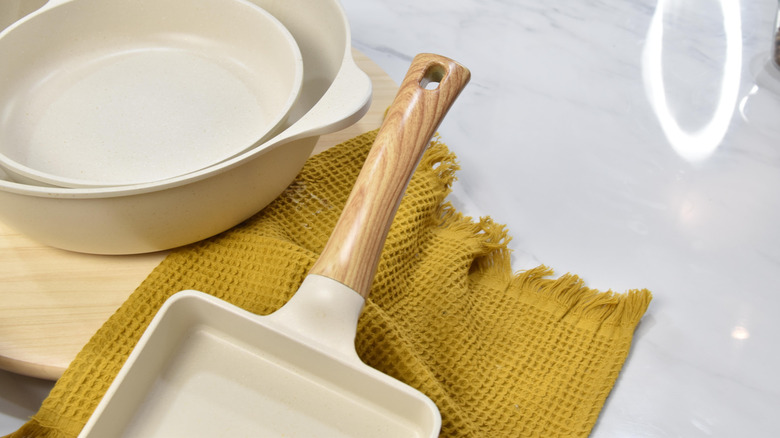
Embracing an oil-free or oil-light lifestyle may require upgrading your cookware. The most glaring issue is fighting foods that stick to your pan. A simple solution that makes sense at first glance is buying some brand-spanking-new nonstick pots and pans. We've all seen the commercials where eggs and other notoriously sticky foods glide around magically without any cooking sprays or oils. However, you're doing your health a disservice.
Why are nonstick pots and pans so bad? The reason why they do such a good job of repelling sticky foods is that they're coated in toxic chemicals called PFAs, otherwise known as forever chemicals. They're called this because not only do they stay in your body forever, but they also build up the more you're exposed to them. Over time, they wreak havoc and harm your body's ability to fight off cancers and other alarming health issues. If you use an old, scratched nonstick pan, the broken seal means more PFAs can leach into your food.
So now that nonstick pans are off the table, what other options do you have? There are several alternatives, but ceramic cookware is perhaps the easiest to maintain and use without oil. Le Creuset and GreenPan are both chef-approved brands. Since they trap heat well, you may need to adjust your cooking habits by lowering the stove knob so you don't burn your food.
12. Don't skimp on garlic, onion, ginger, herbs, and spices
Cici0011/Shutterstock
If you're used to cooking with lots of oil, then your palate is attuned to richness and textures. A common mistake people make when cutting back on added oils is skimping on flavor. When their meal isn't stellar, they blame it on the oil. If you focus on creating dishes that have depth and light up different sensors on your tongue, you'll be satisfied.
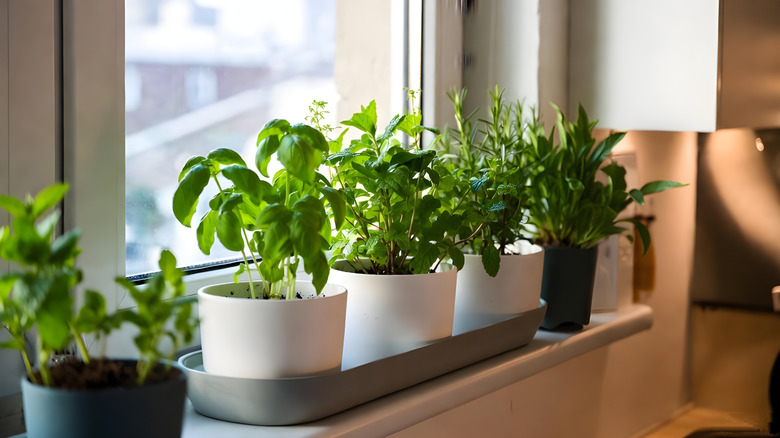
Fresh garlic, onion, and ginger are royalty when it comes to aromatics that bring that special something to food. Working with both fresh and dried herbs will make any dish more gourmet. For example, instead of adding oil or butter to your rice, some fresh parsley or cilantro paired with lemon or lime, salt, pepper, bay leaves, and maybe even a dash of cayenne for some heat will taste divine. Ripping up some fresh basil leaves on top of your dish before serving will instantly make your meal taste lighter and have a rustic feel.
Instead of using an oil-heavy marinade, Greek yogurt and citrus fruits can tenderize and flavor the meat. Relying on other cooking methods that don't require oil can help you enjoy a lighter protein. Grilling, broiling, and baking are just a few options. Of course, don't forget to sprinkle on some salt, pepper, and other herbs and spices that you enjoy.

 Arabic
 French
 Spanish
 Portuguese
 Deutsch
 Turkish
 Dutch
Dutch
 Italiano
 Russian
 Romaian
 Portuguese (Brazil)
 Greek
Greek