


Eez/Shutterstock
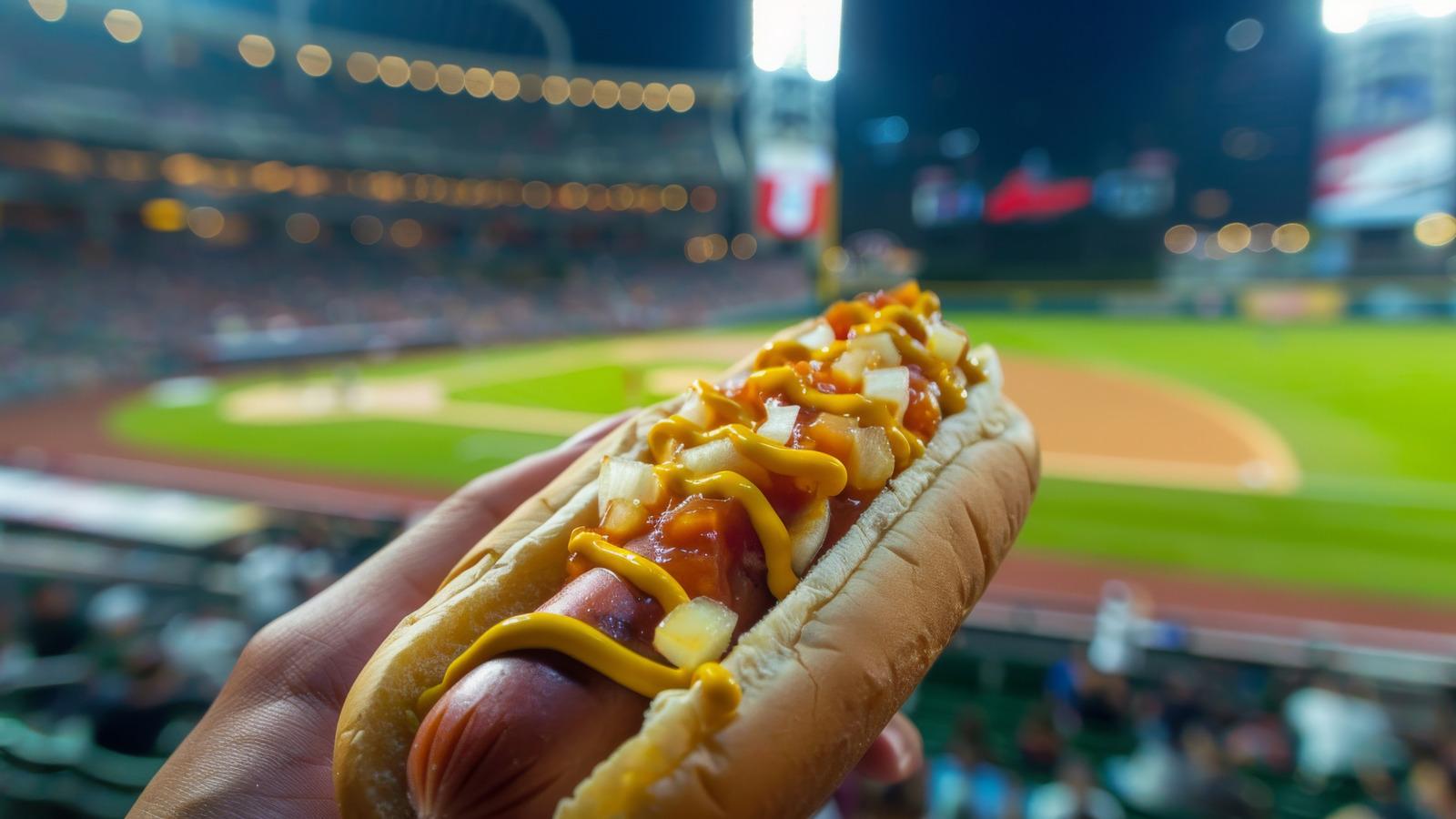
So the last out was made, and you're headed home. But did you ever wonder what happens to all the unsold hot dogs, hamburgers, popcorn, soft pretzels, and other grub at the end of the baseball game? While Major League Baseball parks have come up with unique hot dogs to serve to fans, they also have devised their own strategies for dealing with food waste. And that's to donate it: From Chicago to Atlanta, MLB stadiums give food that's been prepared but unsold to organizations that help with feeding hungry people in the local communities.
At Target Field, where the Minnesota Twins play, more than 6,500 pounds of donated food went to local housing shelters and food banks last season, and Oriole Park donated more than 2,500 pounds to the Maryland Food Pantry (2021 stat). In Los Angeles, where more than 2 million people experience food insecurity. the two MLB stadiums combine to donate more than 42,000 pounds of food each season. And in Houston, the Astros donation of more than 18 tons of leftover food to Second Servings resulted in 30,500 meals for families in need. Considering the crazy food waste fact that ending the waste problem across the world could feed 2 billion people, it's nice to see MLB stadiums pitching in and doing their part.
Baseball stadiums compost food scraps and recycle oil
Guas/Shutterstock
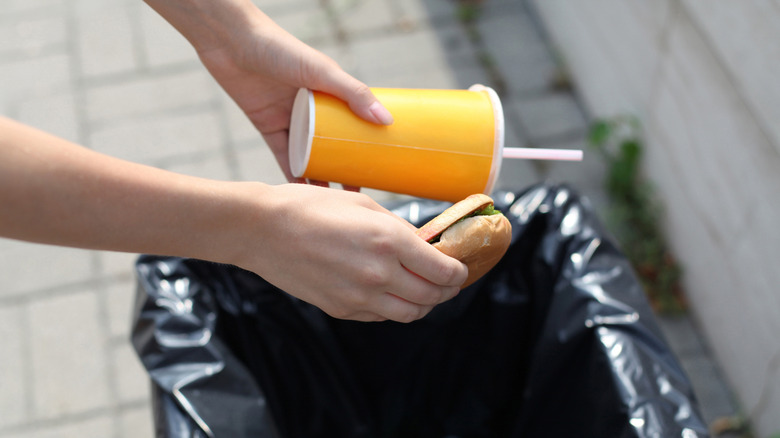
For food at ballparks to be donated to community hunger initiatives, they have to be prepared and packaged to prevent people from getting sick. But what about all of the scraps in food vendor kitchens or the leftovers that fans throw away? Many MLB stadiums have launched programs to gather the scraps and use them in composting programs, which also help reduce food waste.
In Pennsylvania, the Phillies organization partnered with a local high school, so that the initiative is also a science lesson. The leftover food is composted by students and teachers at Walter B. Saul Agricultural High School, and they pass on the compost to other community organizations that need it. At Yankee Stadium in New York, the organization went a step further, switching to compostable trays, cups and even utensils, so that when you throw away the last bite of your burger, everything with it can also be converted into compost.
One other way that many MLB stadiums reduce food waste is by recycling cooking oil instead of tossing it out. In Colorado alone, the Rockies recycle 10 tons annually, which is about 3,000 gallons. Considering 380 gallons of biofuel could power a car for 1,260 miles, all that frying oil is just about enough for a road trip to visit all the MLB ballparks.

 Arabic
 French
 Spanish
 Portuguese
 Deutsch
 Turkish
 Dutch
Dutch
 Italiano
 Russian
 Romaian
 Portuguese (Brazil)
 Greek
Greek