



Douglas324/Getty Images
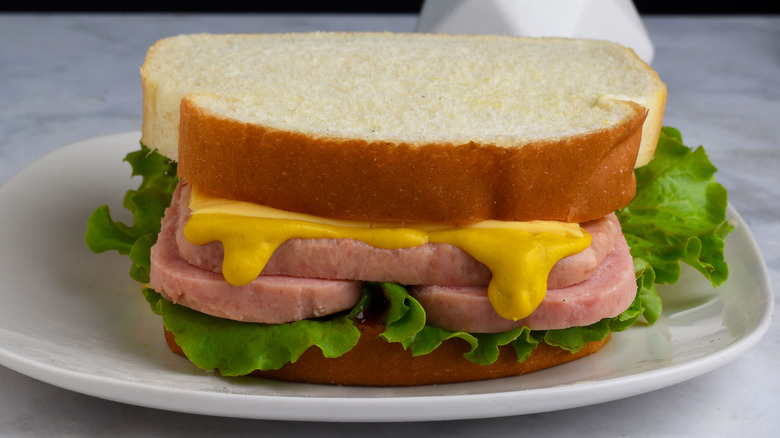
A few things are likely to spring to mind when you hear the words "canned meat." For instance, you might think of breaking out some mayonnaise to make a quick chicken or tuna salad sandwich. However, many boomers may have fond memories of luncheon meat in metal containers. The most prominent example is probably Hormel's Spam. After debuting in 1937 it became an affordable food staple during the '40s for troops at war as well as civilians forced to tighten their belts. But boomers also would have grown up with lesser-known luncheon meats like the William Underwood Company's canned deviled ham, which people have eaten in sandwiches for over 100 years. Despite this, some people have probably forgotten about the spreadable protein, while others may not know what it is in the first place.
Likewise, consumers of today are probably far more familiar with Hormel's canned luncheon meat than Armour and Company's Treet. A direct competitor to Spam, the item proved popular with families throughout the 1950s and '60s. It was a key ingredient in creamed Treet and eggs. Another similar canned luncheon meat older adults may remember is Swift Premium's Prem, short for "premium pork luncheon meat." "When fried it went crispy and was yummy!" reminisced one person on Facebook. "Loved it fried with onions," added another.
Canned luncheon meat is surprisingly versatile
Dreambigphotos/Getty Images
Part of the beauty of these boomer-era staples is that they didn't require refrigeration. Canned meat lasts for quite a long time on your shelf. A tin of ham, for example might still be good to eat after five years. That kind of longevity would have had appeal, especially in an age when American refrigerators were smaller than they are now. And due to food rationing during World War II, by the mid-20th century, Americans were accustomed to eating canned meat. Although many veterans preferred to have left it on the battlefield, canned meat's invasion of the home kitchen could not be stopped. "It just felt like such an abundance, such access to so many convenient foods that reduced the labor of cooking, that reduced the time of cooking," Anna Zeide, author of "Canned: The Rise and Fall of Consumer Confidence in the American Food Industry" told Atlas Obscura.
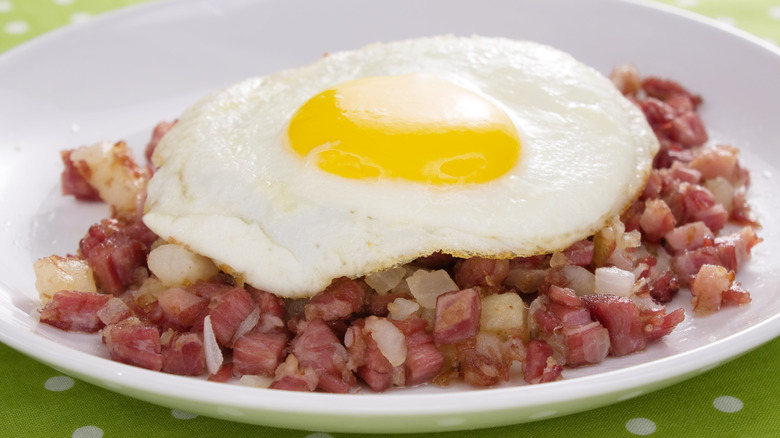
Housewives used canned meat to make a variety of dishes for their booming families. In addition to being spread on sandwiches and toast, canned luncheon meats became key ingredients in meatloaves, meat balls, and casseroles. Some barbecue cookbooks suggested including cubes of canned meat in skewers with fruits and vegetables. Corned beef hash and other luncheon meats were eaten cold or cut into slices and fried. Served alongside eggs, this made for a hearty breakfast that was high in protein.

 English
 Arabic
 French
 Portuguese
 Deutsch
 Turkish
 Dutch
Dutch
 Italiano
 Russian
 Romaian
 Portuguese (Brazil)
 Greek
Greek