


Vladislav Noseek/Shutterstock
Always having of loaf of bread on hand is a dependable way to ensure there's an option for a quick bite to eat. But when you reach into the bag only to find moldy slices, this immediately ruins the plan. You might turn to the refrigerator to keep your bread fresh, only to find out that the fridge is one of the worst ways to store bread.
While it may prevent mold from growing as quickly as it normally would, the cold air changes the structure of the bread. The starches dry out, resulting in bread that becomes stale rapidly. While it technically might not be "bad," the texture will be dry, crumbly, and unpleasant. If the bread is not wrapped properly and exposed to moisture inside the fridge, it can still grow mold, and also absorb aromas from other foods. This is especially the case for bread that is naturally more dry, like white bread or one that has a crust such as sourdough or baguette. It's best to keep these types out of the fridge.
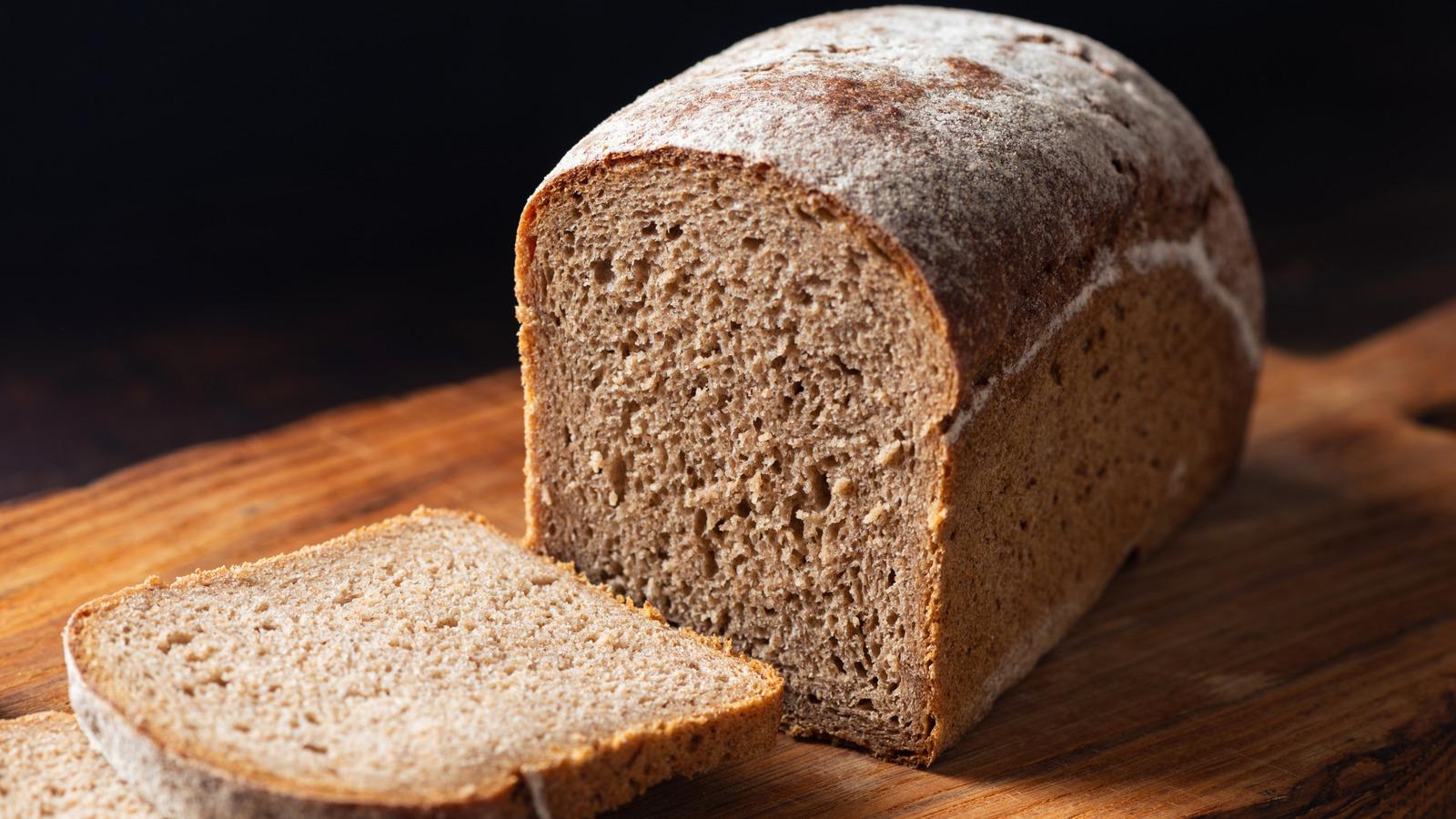
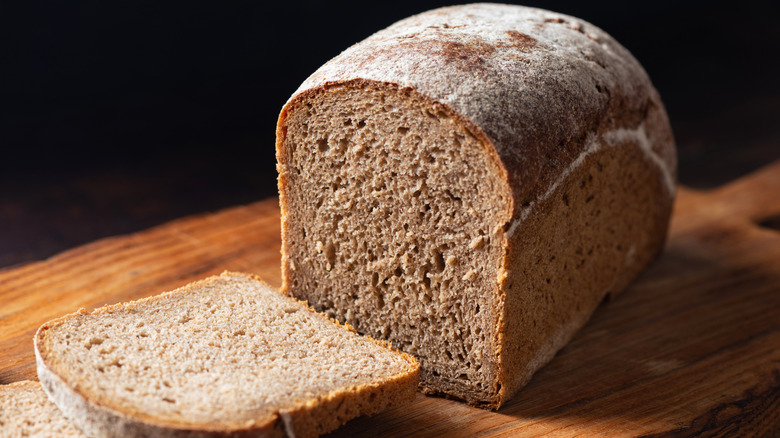
There are a few exceptions though: Breads more susceptible to mold, such as dense whole wheat and seeded breads or pumpernickel can be stored in the fridge, especially if you live in a more humid or hot climate. The key is keeping the bread's natural moisture intact while preventing contact with fridge condensation; plastic wrap can help achieve this.
Where to store bread instead
Nazgul Anarbekova/Getty Images
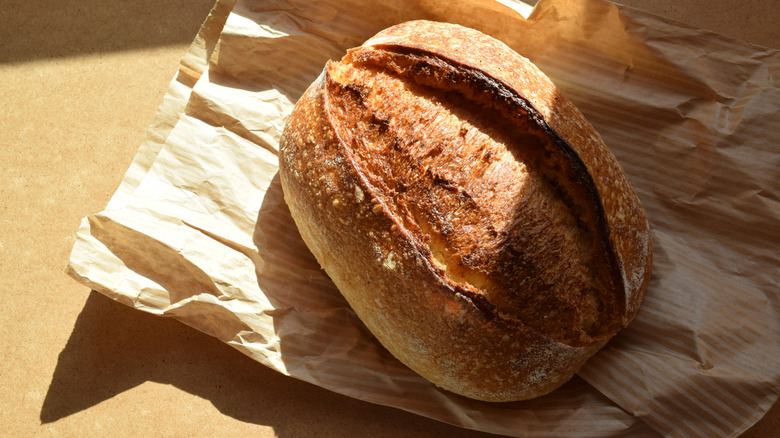
If your household goes through bread rather quickly, storing it at room temperature is usually best. Bread should be able to breathe, so store it in a bread box or paper bag. With this technique, bread should last for a few days. However, this still depends on the type of bread — artisan loaves do well in paper because it helps preserve the crust, while softer sandwich style bread is better in its original plastic packaging to keep moisture in.
The best storage spot is somewhere dry and cool, and outside of direct sunlight. For example, a pantry, cabinet, or countertop corner work well, as long as it's not near a heat source like a toaster or oven. It may be tempting to store bread on top of the fridge, but the appliance generates heat, making it less than ideal.
For storing longer, the freezer is actually a great option. Slice the loaf if it's not already, and ideally, wrap the individual slices separately in plastic wrap. These can then be placed in a plastic bag, which as much air pressed out as possible.

 Arabic
 French
 Spanish
 Portuguese
 Deutsch
 Turkish
 Dutch
Dutch
 Italiano
 Russian
 Romaian
 Portuguese (Brazil)
 Greek
Greek