


RossHelen/Shutterstock
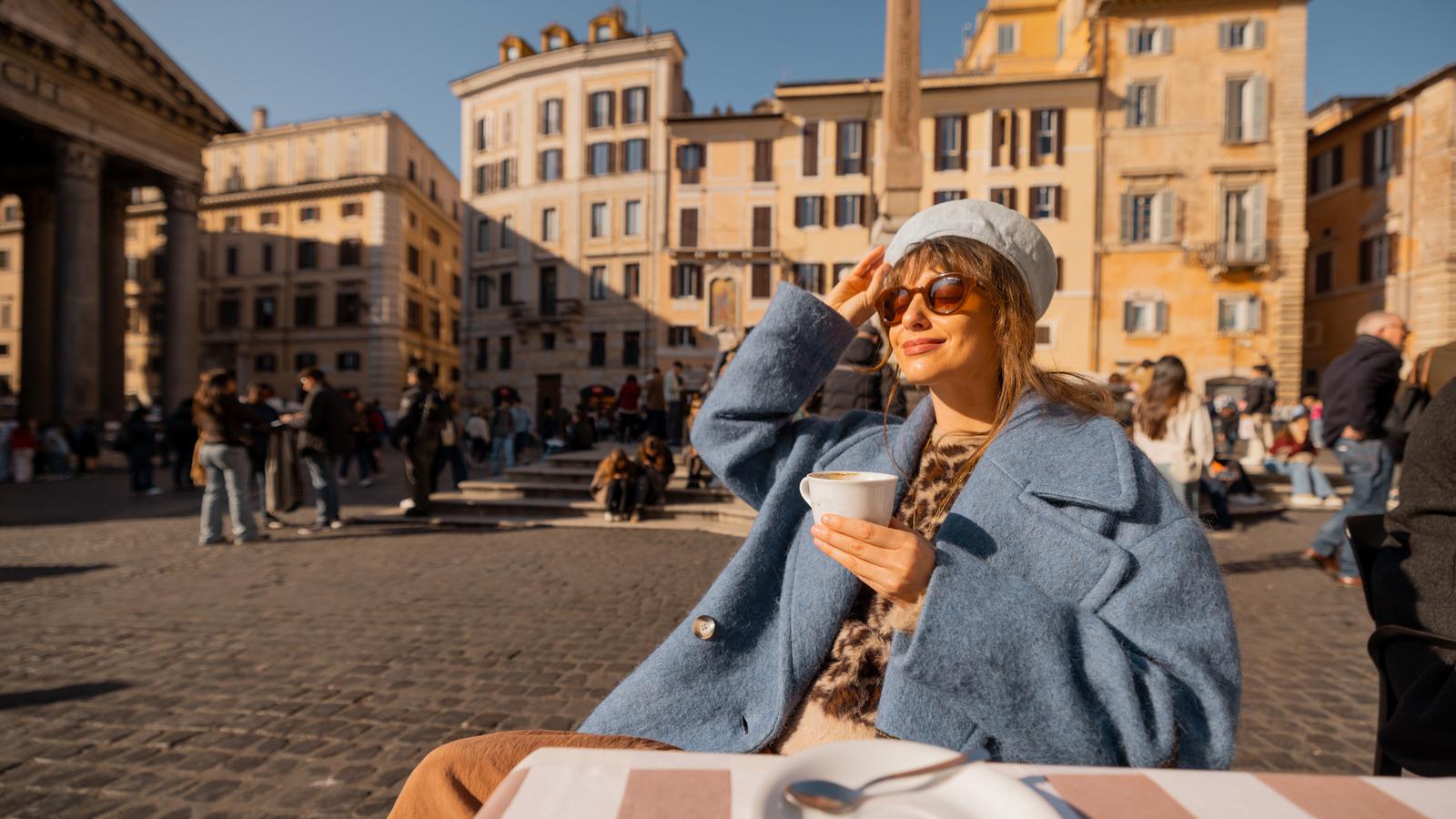
If you have a trip planned to Europe, one thing you're likely to do there is drink a lot of coffee. Every country on the continent has its own rituals and rules around the world's favorite beverage, and you'll want to tune into this to be a mindful tourist. When in Italy, set aside your complicated iced latte order with several modifications (unless you're in Starbucks), and enjoy coffee as the locals do.
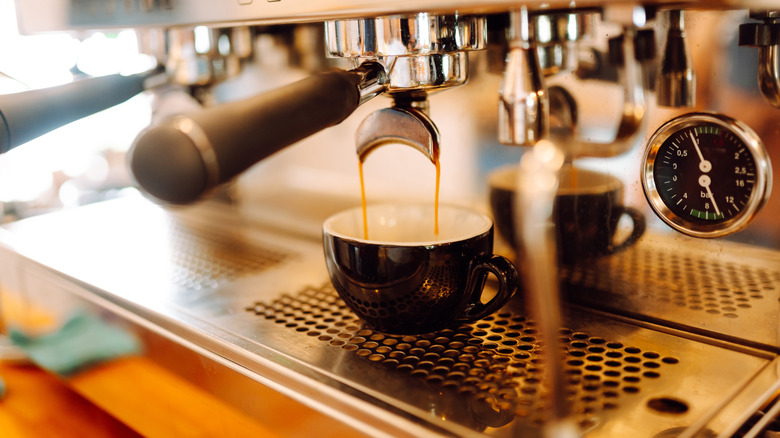
The most popular drink in Italy is caffè, a single shot of straight espresso, but the word also refers to coffee in general. Italians often drink their caffé standing at a bar or high-top table,, which is also cheaper, due to an additional table tax for sitting down with your coffee. In the morning, those who have a bit more time to spare might order coffee drinks made with milk, like a cappuccino, caffe latte, or macchiato.
Americans may feel thrown off by the fact that most Italians enjoy their coffee at a bar, not a café. In Italy and other countries in Europe, like Spain, most bars open in the morning and serve coffee and alcohol (plus food) at any hour of the day. Some establishments might call themselves a café, but if you're struggling to find coffee, look up "bars" instead on Google Maps.
Avoid a coffee faux pas in Italy
Mocomoo/Shutterstock
Now that you know how to order like a local, here are a few more tips for fitting in with the Italian crowd. When ordering espresso at the bar, don't spend too much time taking up space there. If you want to chat, linger, and people-watch, opt for a table. If you're in a rush, asking for coffee to-go is not very common, but it may be an option.
You might have already heard on social media that Italians all but ban cappuccinos past 12 p.m. It's not literal, though there's certainly some truth to it. Italians consume milk-based coffee drinks in the morning hours, then usually only opt for espresso. You risk getting weird looks if you try to order a cappuccino in the afternoon, and some establishments simply won't do it.
While adding a packet of sugar is relatively normal to do with espresso, it's uncommon to find a lineup of flavored syrups, whipped cream, or cold foams unless you are in a coffee shop catering to tourists or an international chain. There are exceptions to this, with some regional coffee specialties that incorporate chocolate, flavorings, liquor, and more. And don't expect every coffee place to offer oat milk, but you could try your luck by asking for soy milk, which is more common. Note: Don't make the mistake of ordering a "latte," which means milk, instead of a caffe latte.
A brief history of Italian coffee culture
Nanci Santos/Getty Images
Coffee traces as far back as the 16th century in Italy, when a Venetian botanist brought home beans from a trip to Egypt. One of the oldest coffee shops in the world, Caffè Florian, is still in operation after almost 300 years in Venice.
Italian Angelo Moriondo is credited with inventing espresso — and the first espresso machine — in 1884 in Turin. By 1903, Luigi Bezzera improved upon the original model (which was somewhat inefficient) by using steam and pressure to more quickly extract coffee from the grounds. Italian coffee culture remained isolated within the country during World War II, but post-war migration out of Italy in the 1940s spread it throughout the world.
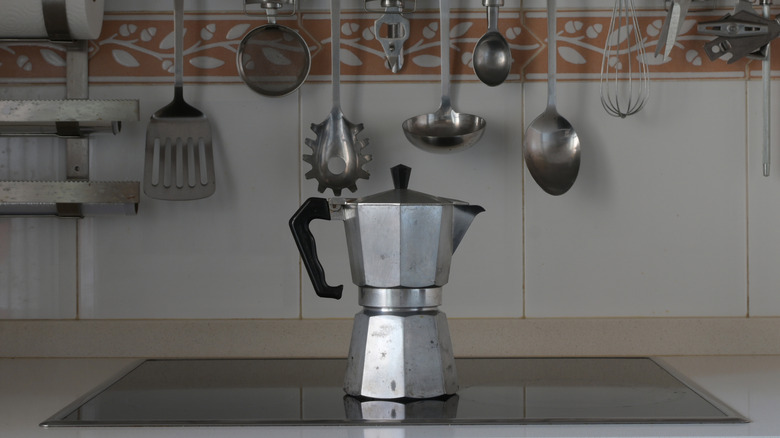
Today, the Mediterranean country is world-renowned for major coffee brands like Illy, Lavazza, and Segafredo. Aside from ordering a quick coffee from a local bar's espresso machine, it's incredibly popular for households to use a moka pot, the stovetop espresso maker. Espresso remains iconically tied to Italian culture, and every corner of the country has its own specialties and variations. In Sicily, the largest island off the tip of the "boot," coffee is transformed into an icy granita topped with whipped cream and served with brioche in the hot summers. In Turin, the specialty is espresso, cream, and chocolate, while in Puglia, sweetened coffee is poured over ice.

 English
 Arabic
 French
 Spanish
 Portuguese
 Turkish
 Dutch
Dutch
 Italiano
 Russian
 Romaian
 Portuguese (Brazil)
 Greek
Greek