


Sirbouman/Getty Images
There are over 10,000 known grape varieties worldwide. And yet, the majority of wines Americans consume use only a handful of common, international varieties, such as cabernet sauvignon and pinot noir. However, these varieties are the tip of the proverbial iceberg among the options winemakers are producing globally.
And, today's wine drinkers are looking for uniqueness. Consumers in 2026 want more, with current wine trends showing buyers are seeking options with terroir distinction. They are interested in emerging wine regions and lesser-known varieties. Of which, some may be considered underrated or under-the-radar. However, enjoying wines from where they originate reveals authentic character. Today's consumers also want environmentally friendly options from producers following sustainable, organic, biodynamic, or regenerative farming methods. These bottles represent the purest expression of the fruit. Wine drinkers in 2026 are also drinking less, causing industry-wide wine sales to dip in recent years. Still, consumers are willing to pay for bottles that speak to these trends. They are seeking high-quality, premium selections when they do imbibe.
The red wines featured in this recommendation fulfill consumer expectations in 2026. Many are from lesser-known varieties or from regions that, although historic, may be largely unknown to today's consumers. However, each of these underrated wines represents its terroir, delivering something unique to your dinner table.
Methodology
New Africa/Shutterstock
In selecting the red wines for this recommendation, I went beyond the typical large production, grocery store options, focusing instead on lesser-known varieties and brands that offer something unique. My goal was to provide insight into these somewhat unknown and underrated wines through their story and terroir distinction. This uniqueness includes its history, provenance, environmental focus, adaptability with food, and its overall approachability.
The wine's price was not a factor. I believe the bottle cost does not equate to its quality. A well-made $10 wine can be equally as delicious as a $150 bottle. I utilized my training, knowledge, and expertise as a Certified Sommelier, Certified Specialist of Wine, Spanish Wine Scholar, and wine writer with over 20 years of experience who embraces the adventure a glass of wine can bring.
Tablas Creek Grenache
From America's first Regenerative Organic Certified winery, located in the Adelaida District of Paso Robles, California, Tablas Creek crafts its spicy, fruit-forward grenache. Garrigue aromas and a hint of pepper invite you in, followed by layers of wild berries, cherries, and licorice. Limestone soils fill Tablas Creek's estate vineyards, giving the wine subtle crushed stone and saline notes. While structured and concentrated, the 14.5%-alcohol wine is also completely approachable, with balance, aromatic freshness, and fruit-forward flavors. Its spicy fruitiness is delicious with jerk-marinated salmon.
Tablas Creek's biodynamic and regenerative organic farming focuses on the long-term health of the vineyards, ensuring the land will flourish for generations to come. The variety is among the ones to watch this year due to its versatility and heat tolerance. This is proving to be fortuitous as climate change warms the planet. Grenache wines are known for their juicy, fruity, spicy flavors and overall freshness, even when grown in regions where afternoon temperatures can hit 90 degrees Fahrenheit during the growing season, like Paso Robles.
Quinta do Ataíde Vinha do Arco
Non-fortified, dry red wines from Portugal's Douro show the quality of fruit growing in the region's terraced vineyards. Symington Family Estates Quinta do Ataíde crafts its 100% touriga nacional Vinho de Arco from organic estate vineyards. The production takes place at the Leadership in Energy and Environmental Design (LEED) GOLD-certified low-environmental impact Douro winery. The winery is the first to achieve GOLD certification in Portugal, and one of only a handful worldwide to hold the distinction.
Traditionally one of the main blending varieties in port, touriga nacional is one of the varieties to watch in 2026 due to its heat tolerance — an important factor with climate change — and its overall balance, producing bold wines without excessive alcohol. With expressive style and firm tannin, the 13.6%-alcohol Vinha de Arco displays unctuous notes of dark chocolate, licorice, and black plum. This is the wine you want to drink with grilled steaks or hearty slow-cooker beef stew.
Tenuta Scerscé Nettare Rosso di Valtellina D.O.C.
Tenuta Scerscé Nettare Rosso di Valtellina proves that Italy's typically robust, tannic nebbiolo can also produce a fresh and vibrant wine. The winery is located in northern Lombardy, Italy, nestled against the Rhaetian Alps. Scerscé crafts its Nettare from organic, sustainably farmed nebbiolo, known locally as chiavennasca.
Fruit grows in sandy-loam soils, lending earthiness to the expressive wine. After harvesting the fruit by hand, the aromatic wine undergoes a quick pressing to maintain the freshness. This is followed by indigenous yeast fermentation, aging in stainless steel and concrete tanks for a minimum of 12 months, and a final step of six months of bottle aging, rounding out the palate.
The resulting wine has energy, lifting the palate after each sip. It layers juicy ripe plums and cherries, wildflowers, oil-rubbed leather, black tea, and a mineralic touch. With a moderate 13% alcohol, Nettare balances savoriness with fruitiness and would be delicious with stuffed pork chops.
Allegrini Palazzo della Torre
Allegrini Palazzo della Torre is an Italian wine that delivers more than expected. The baby Amarone taste resembles a $100-plus bottle of full-fledged, highly textured Italian Amarone di Valpolicella. However, the average price is only $19.
Allegrini produces Palazzo della Torre by combining two winemaking styles. It begins with the traditional appassimento style, typical in Amarone production. Winemakers take freshly harvested fruit and lay it on straw mats in the sun for a short period, dehydrating the fruit, concentrating its flavor, enhancing its structure, and developing dried-fruit characteristics. The winery then blends this fruit with grapes that have fermented in stainless steel for a few months, bringing in the lively freshness and tannic character of corvina veronese, corvinone, and rondinella, along with other local Veronese varieties.
The combination produces a structured wine that is bold yet fresh, with savory dried figs, plums, cherries, dark chocolate, and licorice. With around 14% alcohol, a full body, and well-rounded, concentrated flavors, the wine pairs well with braised sirloin tip roast or polenta with pancetta.
Bodega Garzón Reserva Tannat
Historically, tannat was a tannin-heavy red wine from Bordeaux. However, New World wineries across the globe are harnessing the variety's power, producing expressive wines that highlight their individual terroir. Tannat has become the signature variety of Uruguay due to its ability to thrive across the country.
When grown in Bodega Garzón's vineyards in the coastal Maldonado region of southeast Uruguay, the resulting wine is fresh, juicy, and bright, with a mineral-rich backbone. The key is the winery's estate and vineyard location. Bodega Garzón lies just 11 miles from the Atlantic Ocean. Cooling Atlantic breezes bring freshness to the vineyards along with briny, sea salt salinity to the grapes. Vines dig deep into granite ballast soils for nutrients, intensifying the fruit's minerality and earthy core. Combining these elements with tannat's naturally robust nature creates Bodega Garzón Reserva Tannat with power, poise, and balance. The full-flavored, 14%-alcohol wine pairs beautifully with braised lamb shanks.
Bodega Garzón is one of Uruguay's leading producers, crafting well-rounded expressions of the grape from sustainably farmed vineyards. It was the first LEED-certified (Leadership in Energy and Environmental Design) winery outside North America. The winery is a global leader in sustainable Uruguayan wines.
Beronia Rioja Reserva DOCa
In Spain's Rioja Alta sub-region, Bodega Beronia was founded in 1973. However, Beronia found its style in 1982 when winemaker and general manager Matías Calleja joined the winery. He was instrumental in developing Beronia's house style, employing a production approach that uses mixed barrels to age its Rioja wines.
Historically, Rioja wine producers used American oak to age their wines, lending vanilla and coconut flavors to the medium-bodied tempranillo-based wines. However, the American oak-aged Rioja wines lacked the complexity that French oak aging brings. Through experimentation, Calleja developed the Beronia-style, using American oak staves and French oak heads to age wine. The techinique brings additional structure, tannin, and complexity to the wines, marrying it with Rioja's historical character.
Beronia's grapes average around 40 years old. These older vines produce less fruit than younger ones. However, the fruit is naturally more concentrated, delivering terroir-driven character. Following sustainable production practices at the LEED Gold-certified winery, Calleja crafts Beronia Rioja Reserva DOCa from tempranillo with a touch of graciano and mazuelo. The wine ages for 18 months in the combination of French and American oak barrels. An additional minimum of 18 months of aging occurs in the bottle before release. The engaging palate is dense, rich, and fleshy, layering black fruits, warm spice, roasted nuts, and chocolate.
Tenute Nicosia Sabbie di Sutta Cerasuolo di Vittoria DOCG
Tenute Nicosia
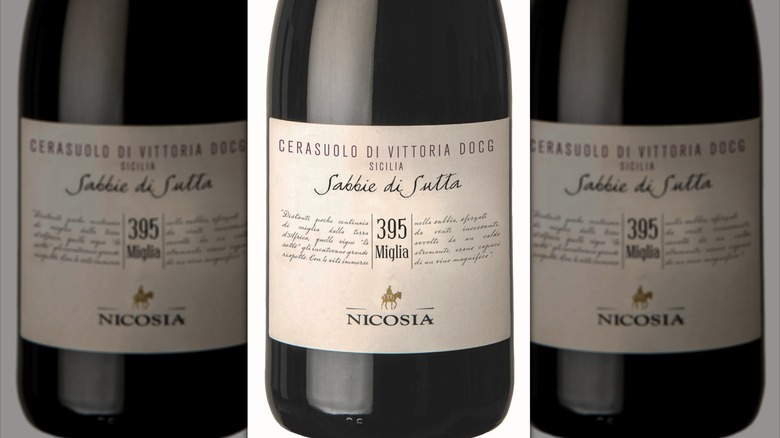
From Sicily, at the southernmost tip of Italy, Tenute Nicosia Sabbie di Sutta Cerasuolo di Vittoria DOCG blends organically grown, native nero d'avola with frappato. The combination creates a wine that is equally light and fresh, thanks to the frappato's influence, and round and savory from the fuller-bodied, higher-tannin nero d'avola. The 13.5%-alcohol wine has inviting aromas of wildflowers and red fruits that lead to a luscious palate of ripe cherries and red berries. It's easy to drink, with fresh acidity balancing the wine's chewy tannins, pairing well with slow cooker lasagna or Italian sausage and peppers.
Family-owned Teunte Nicosia showcases the power and elegance of local Sicilian varieties from vineyards growing under the gaze of Mount Etna. For over 125 years, five generations of the family have been involved with the wine industry. The region's Denominazione di Origine Controllata e Garantita (DOCG) designation for Cerasuolo di Vittoria signifies the highest quality guarantee of wines within Italy. It's the only region in Sicily to hold the DOCG designation, meaning its producers must adhere to the strictest production regulations.
Renato Ratti Marcenasco Barolo DOCG
Earthy, dense, regal, and refined, Barolo is the King of Wines, and the shining star of Italy's Piedmont region. Barolo is one of the world's pivotal red wines, showcasing the best of the nebbiolo variety and the area's terroir. Renato Ratti was a pioneering winemaker spearheading the production of single-vineyard Barolo in 1965.
Ratti Marcenasco Barolo is from the La Morra zone, where nebbiolo has been growing as far back as the 12th century. The winery handpicks fruit for bottling, then ages the wine in oak for two years, followed by a year of bottle aging. The resulting full-bodied, 14%-alcohol wine shows ripe strawberries, blood orange, black tea, licorice, and balsamic.
The wine will benefit from decanting before drinking, helping soften the tannins. Still, don't let the boldness deter you. Although there is density to the well-structured wine, it also has opulence lingering lovingly on the palate. It is a delicious example of why wine enthusiasts are captivated by Barolo.
Domaine Grosbois Extra Ball Cabernet Franc
France's Loire Valley produces cool-climate wines that are highly influenced by the vineyard's proximity to water, both from the Loire River and the nearby Atlantic Ocean. Cooling breezes off the water keep the fruit's acidity and freshness intact. Within Loire's Chinon region, single-variety cabernet franc shines with energy and lightness, many of which are delicious served slightly chilled.
From organically and biodynamically farmed, family-owned estate vineyards run by brothers Nicolas and Sylvain Grosbois in the Chinon appellation, Domaine Grosbois Extra Ball Cabernet Franc showcases the fresh, fruity side of the variety, redefining how some may think of cabernet franc. From hand-harvested fruit, grown following biodynamic principles with utmost respect for the land, Grosbois crafts the wine from the first juice pressed each year after harvest.
With just under 12% alcohol by volume, the wine is the fruitiest, purest, and freshest expression of the grape each year. It shows a lively, fruit-forward freshness, with blackberry and ripe cherry. Additionally, the red wine displays cabernet franc's natural savoriness, pairing with French cassoulet or duck confit.
Karas Single Vineyard Areni
Wine's history dates back over 8,000 years to countries such as Georgia, Turkey, and Iran. Armenia is home to what is believed to be the oldest winery in the world. Artifacts indicate wine production was occurring there over 6,100 years ago.
Armenia's premium wine production was stifled under Soviet rule. However, when the Soviet Union fell, Armenia's premium wine production once again began to grow. Producers are focusing on native varieties like the ancient red grape areni noir at the forefront. The variety is similar to pinot noir, particularly Old World Burgundy. However, unlike difficult-to-grow pinot noir, areni is a thick-skinned variety that can withstand Armenia's challenging growing conditions. Its tolerance ensures that it can bear Armenia's absurdly warm days without issue. Thick skins also help the grapes maintain natural acidity, producing wine with freshness.
From the Ararat Valley, Karas Vineyard plants its single-vineyard areni in mineral-rich volcanic, clay, and limestone soils, sitting at high elevations at the base of Mount Ararat. Drinking this wine is a taste of history. Rich, structured, and full-flavored, it opens with layers of red berries, cherries, wild herbs, and forest floor notes. There is a crunchy savoriness that pairs easily with food, as does its moderate 13% alcohol. Enjoy the wine with duck breast with pomegranate sauce to complement its earthy, red-fruit flavors.
Early Mountain Vineyards RISE Red Blend
America's forefathers would be over the moon if they could see the quality wines Virginia is producing. America's early settlers and colonists, including Thomas Jefferson and George Washington, tried to produce wine from European vitis vinifera vines in Virginia soils. However, pests and diseases proved too much for the vines to bear. Today, thanks to modern technology and advances in agriculture, Virginia wines are among the most exciting selections in the country.
Located in the foothills of the Blue Ridge Mountains, Early Mountain Vineyards crafts aromatic, approachable wine from international varieties and lesser-known yet highly adaptable options — such as its stone fruit-filled petit manseng — that show the authentic spirit of the Commonwealth. Using high-elevation fruit from the winery's Quaker Run Vineyard, with well-draining, mineral-rich, rocky soils, Early Mountain Vineyards Rise is a red blend of 58% merlot, 17% petit verdot, 15% tannat, and 10% cabernet franc. The winery crafts Rise only when the vintage's quality warrants it.
The 14.8%-alcohol wine is strikingly bold, revealing layers of black fruit, leather, dark chocolate, and cedar. It is not a wine for the faint of heart. While powerful, the character-driven wine with personality shows balance. The wine's opulent palate with velvety tannins ends with an extremely long finish.
Tenuta Tascante Ghiaia Nera Etna Rosso DOC
When thinking of Old World wines, our minds may drift to the renowned First Growth wines of Bordeaux or stellar sparkling Champagne. However, the history of those varieties is relatively recent, given that archaeological evidence shows that the cultivation and production of wine grapes in Sicily likely began over 6,000 years ago.
From the slopes of Mount Etna, Tenuta Tascante crafts its Ghiaia Nera Sicilian red wine from the historic native nerello mascalese variety. One of the trending varieties of 2026 due to its blend of familiarity and uniqueness, the dark-skinned variety produces an inky, bluish-black wine with bright, juicy, red-fruit flavors. Tascante's selection comes from high-elevation vineyards in Mount Etna's volcanic soils. The vineyards are surrounded by dense forests, lending an extra layer of earthy, herbaceous character to the wine.
Fans of pinot noir will enjoy this wine as it shows a beautiful balance between succulence and subtlety, revealing layers of ripe red cherries, dried herbs, forest floor, and crushed-stone minerality. The Certified B Corp winery follows sustainable practices in the vineyards and winery, ensuring the well-structured wine with 14% alcohol displays the Sicilian terroir's character.
Colomé Auténtico Malbec
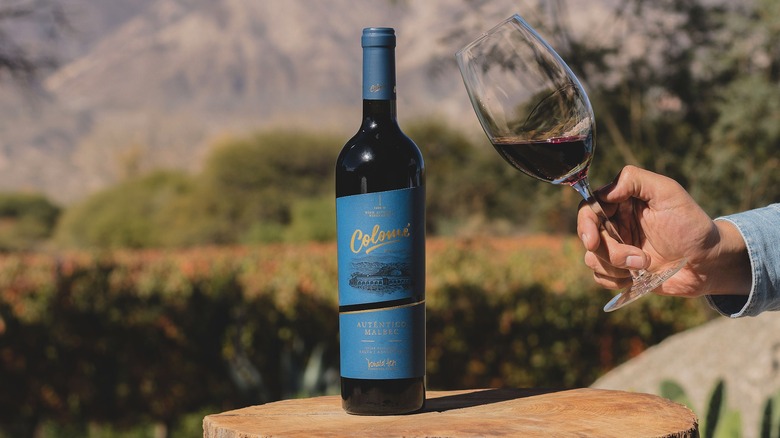
Bodega Colomé
Gazing upon high-elevation vineyards within the Salta region of Argentina, it is easy to see why winemakers are drawn to produce the country's terroir-driven wines here. Salta's vineyards are some of the most extreme in the world. Nestled in the foothills of the awe-inspiring Andes Mountains, vineyards sit at remarkably high altitudes for wine production.
Revealing the essence of its Salta region terroir, Colomé Auténtico honors the winery's founders, who first planted vineyards in the Calchaquí Valleys in 1831. Sourced from the best estate vineyards located over 7,500 feet above sea level, the malbec is hand-selected and sustainably farmed. Sustainability has been practiced since the winery's founding. Employing a traditional winemaking style — further honoring its founders — the wine ages and is bottled without oak barrel aging.
Using stainless steel tanks and concrete eggs to age the wine for a brief 10 months, the winery ensures the natural character of Salta and its richly flavored fruit are on full display, highlighting Argentina's alluring terroir. The winery ages the wine an additional 10 months in the bottle before releasing, rounding out the flavors. The resulting wine shows rich morello cherry, blackberry, and black plum with wild garrigue and earthy, crushed-stone flavors. The 14.5%-alcohol wine has silky tannins and a freshness that ensures balance throughout. Although numerous Argentine malbecs line store shelves today, few capture the region's character as well as Colomé. The wine shows authenticity while displaying approachability.
Cellars Can Blau Red Blend
Cellars Can Blau showcases savory, earthy wines produced within D.O. Montsant surrounding the prestigious Priorat region. For its Can Blau red blend, the winery brings together Spain's native cariñena and garnacha varieties with syrah to produce the mineral-rich, earthy, 14.5%-alcohol, black-fruit-and-spice-filled wine.
Old-vine garnacha grows at high elevations in slate soils, where vines dig deep into the earth for nutrients, taking on the soil's mineral-intense characteristics. Old-vine cariñena grows in sandy clay, and syrah in limestone. The combination of terroirs and varieties reveals a multi-layered blend with structure, texture, and concentration. Notes of blackberry, leather, graphite, and wild herbs mingle together harmoniously throughout the wine.
The winery is a part of Gil Family Estates. The 100-plus-year-old family-owned Spanish company leads with sustainability in its production. The brand's wineries work with respect for the land, while prioritizing energy efficiency and environmental friendliness.

 Arabic
 French
 Spanish
 Portuguese
 Deutsch
 Turkish
 Dutch
Dutch
 Italiano
 Russian
 Romaian
 Portuguese (Brazil)
 Greek
Greek