


Lightfieldstudios/Getty Images
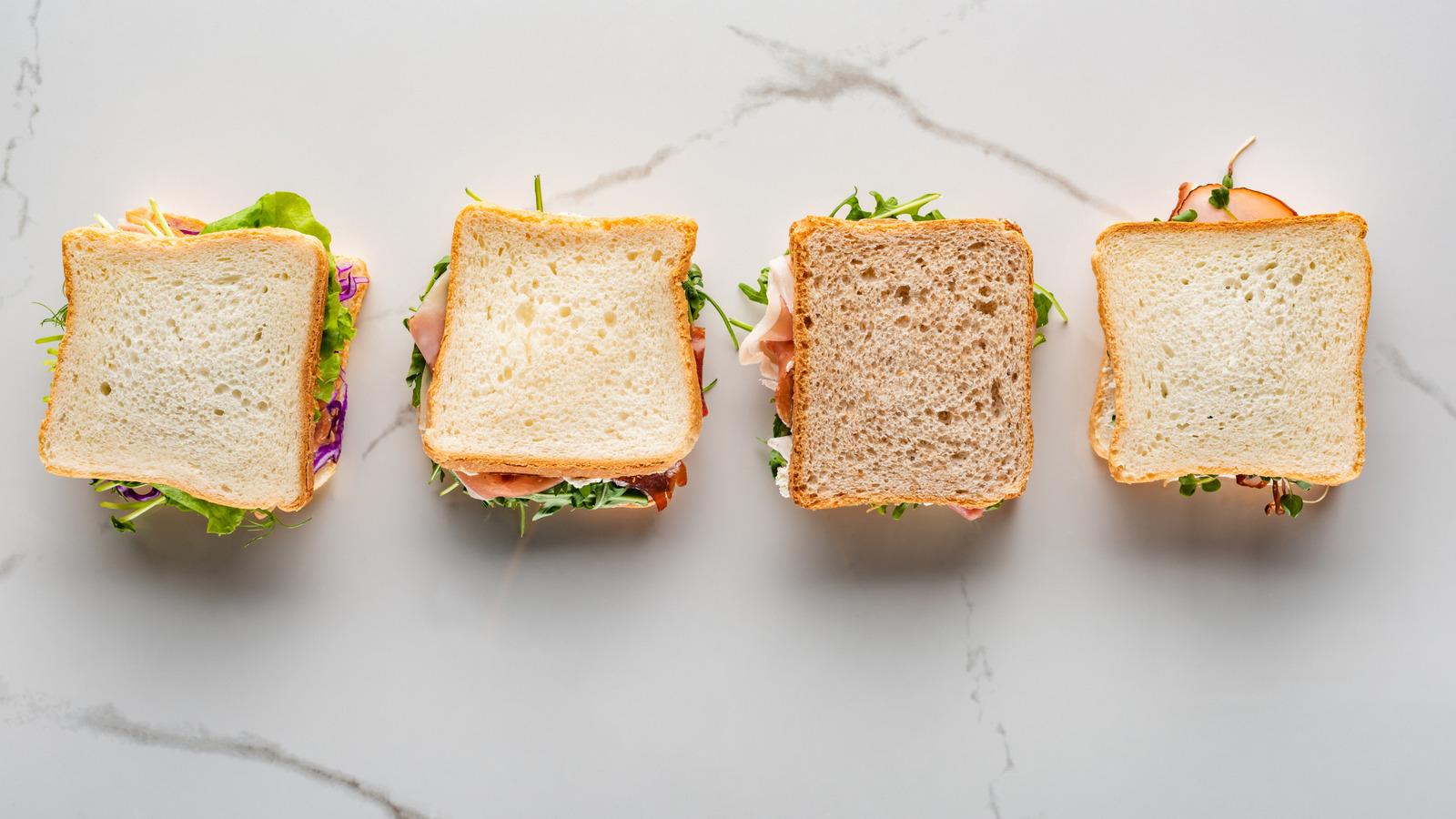
As food evolves, some dishes fall out of fashion while others arrive as new favorites. Some, like chicken sandwiches, seem timeless. But even among these, the early 20th-century concoction of a jellied chicken sandwich definitely won't make our list of the best chicken sandwiches in the U.S. You'd even be hard-pressed to find cookbooks these days that feature any savory gelatin-based dishes. But a century ago, savory jellied dishes were all the rage.
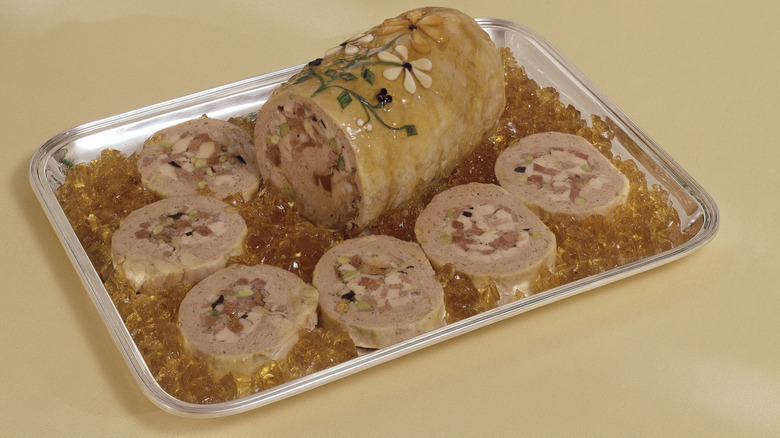
Don't picture a chicken sandwich with jelly as a topping. Instead, this was a savory gelatin loaf with chicken suspended inside, sliced and served between slices of bread. In other words, this dish had the texture of Jell-O, but rather than fruit or other sweet additions, it was bolstered with cooked chicken, horseradish, and unsweetened whipped cream.
Unsettling, unappealing, curious, or downright disgusting might be some adjectives that come to mind for folks today, but this recipe was popular for decades. It appeared in Eva Greene Fuller's 1909 cookbook "The Up-to-Date Sandwich Book" (via Internet Archive) alongside such delicacies as the aspic jelly sandwich and the grape sandwich. Nearly 30 years later, Florence Cowles' book "1001 Sandwich Recipes" featured two jellied chicken sandwiches — one featuring olives and horseradish, the other with capers and curry (via Internet Archive).
Jellied chicken sandwiches were part of a much larger savory gelatin trend
Luis Lemus/Getty Images
Making these sandwiches involved cooking a whole chicken and chopping up the white meat. Eva Greene Fuller's 1909 recipe then instructs the cook to "rub [it] to a paste," combine it with gelatin dissolved in water, and mix it with the cream and seasonings. According to Florence Cowles, it should then be chilled and sliced with a hot knife. Both recipes recommend buttering the bread before serving, and Fuller suggests adding an olive and some parsley for a garnish.
The jiggly wonder of jellied salads and loaves became widespread after the Industrial Revolution, when instant gelatin made these molded dishes possible in the average home. This, coupled with the rise of in-home refrigerators, made gelatin dishes irresistible, especially to those looking to stretch pantry supplies during wartime. In true American fashion, these eye-catching creations were soon placed between bread, though these sandwiches are rarely eaten anymore.
By the 1970s and '80s, jellied dishes had fallen out of fashion, with tossed salads taking over in popularity. And while gelatin was once considered a convenient staple, it still required a fair amount of effort to cook. By that time, more women had entered the workforce, meaning home cooks were looking for easier, quicker foods. This combination of factors returned gelatin to the dessert course and forever relegated jellied chicken to a once-popular 20th-century sandwich that had seen its 15 minutes of fame.

 Arabic
 French
 Spanish
 Portuguese
 Deutsch
 Turkish
 Dutch
Dutch
 Italiano
 Russian
 Romaian
 Portuguese (Brazil)
 Greek
Greek