


Indika forced me to confront some of life's toughest questions, and I think it's made me a better person
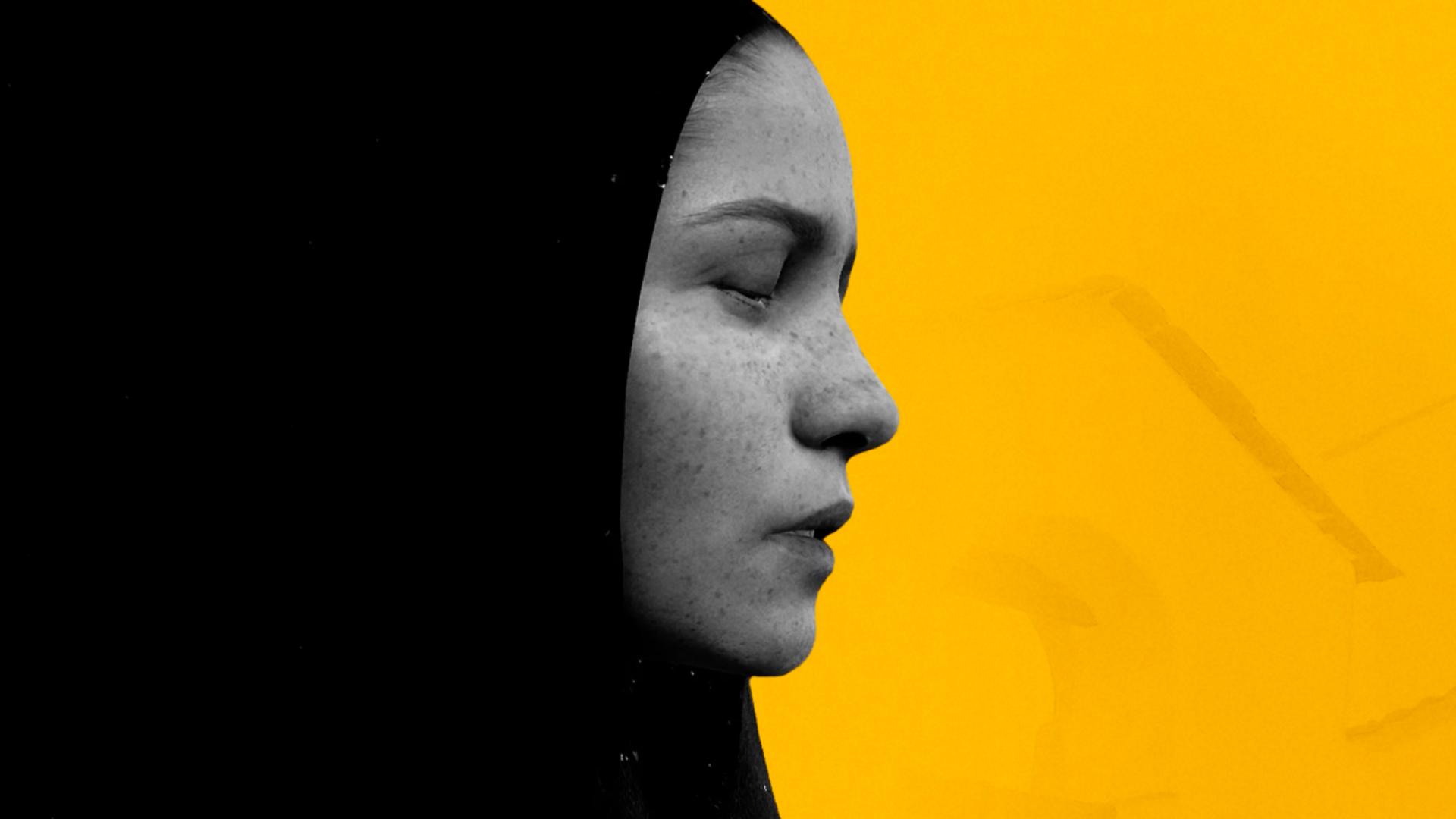
Indika forced me to confront some of life's toughest questions, and I think it's made me a better person
I attended an all-girls Catholic high school. Religion then, for me, is complicated. It's always been a set of guidelines: don't do bad things, treat others the way you want to be treated. But, by the end of my time at school, I had seen its uglier side. The people who claimed to be good Catholics bullied other girls for being of a different race; they cast out queer people simply for loving the people they loved. Yet, nothing was ever done about it. Why - how could the acolytes of something so inherently good be so inherently bad? It's a question I've asked myself many times during my life: one that I silently, relentlessly seek an answer to. My faith has waned over the years (the degree in genocide history didn't do much to help), but the interest is still there - the silent sense of awe at religious imagery and architecture; the spiritualism, the reverence. It's why I found myself so attracted to Indika.
Trigger warning: this article contains passing reference to sexual violence. Reader discretion is advised.
Now I'll start off by saying that I'm not here to debate religion: I'd need a few cool pints for that. Instead, I'm here to tell you why Indika has cemented itself as one of my favorite indie games, with its treatment of religion being a core component. Odd Meter doesn't miss and hit the wall with this one: religion doesn't come off well here. The game's themes are dark; there's extreme violence, both physical and sexual. It's not one for the faint of heart, but nor is it a 'super scary horror game' to brag about to your friends. Indika is, at its core, a story of woe: a reminder that unadulterated evil exists in our world, and that, oftentimes, The Devil has nothing to do with it.

Our story begins in an Eastern Orthodox convent, nestled high in the mountains. It's established pretty quickly that the other nuns don't like Indika, seeing her as somewhat of an outcast; someone only useful for menial grunt work. After an eerie vision interrupts her communion, she's sent off into the wilds with a message for one Father Herman, who resides miles away from the convent. With only a pedal bike and her habit to her name, she ventures off into the unknown, driven by an odd mixture of prayer and whispers from Satan himself.
Action plays out somewhat like Death Stranding, with Indika being largely a mixture of puzzle-based gameplay and simple parkour. There are, however, pixelated sections that feel akin to old arcade titles like the original Sonic the Hedgehog and Super Mario. These play out like simple platformers - there's a sequence that's reminiscent of Pac Man - and, in one instance, there's a small racing game-esque circuit to complete. These, while by far more colorful that the bleak grays and whites that come to define Indika's visual identity, provide windows into her harrowing past: the bright yellows are quickly stripped of their vibrance when a gunshot rings out and a life ends.
All in all, Indika is a physically easy game to play - it lasts around four hours if you take your time, and keeps you on the beaten path. Its story, however, is perhaps one of the darkest I've seen in a videogame. There's no happy ending here: no lost and found romance, no blinking sign proclaiming that 'you've won!' But perhaps, most importantly, there is no God. At every turn where he could intercede, he chooses not to. Indika's journey is a test of faith laid bare: a dreary reminder that life sucks, and that even the strongest of believers struggle to weather its never-ending storm.

In many ways Indika left me feeling somewhat vindicated: even those who claim to be among the most pious can, indeed, be bad people. That odd juxtaposition between light and dark very much exists. But, despite that, there was no blinking 'I win;' no immediate sense of clarity. Why should I be happy that, if God does exist, he lets us suffer like this? Why should I be content with people being evil?
Perhaps there's a different message here: a reminder that kindness reigns; if that light doesn't exist, be that light. Be the hand that helps another; the refuge in the storm. Indika left me with mixed feelings, but most importantly, it made me think - truly think. It made me wrestle with themes and memories that I've spent years trying to understand. Very few videogames manage that, and that's why you have to experience it for yourself.

 English
 Arabic
 French
 Spanish
 Portuguese
 Deutsch
 Turkish
 Italiano
 Russian
 Romaian
 Portuguese (Brazil)
 Greek
Greek