


Key Takeaways
- Bold wallpaper, rugs, and paint can make a room feel brand-new without a renovation.
- Use color and pattern to make dated features feel intentional.
- Textiles, art groupings, and meaningful focal points draw the eye and refresh the space.
When you're ready for a room makeover, it's tempting to go straight to the big-money projects: a new kitchen, an addition, built-ins, wood flooring. One project snowballs into the next, and before you know it, you're in deep. It's a long, dusty, and expensive road back to reclaiming your peaceful home.
A renovation changes a house. But paint, pattern, and texture can change how a house feels—often faster, more affordably, and without the dust. Before you commit to demolition, consider what you can transform simply by working with what’s already there.
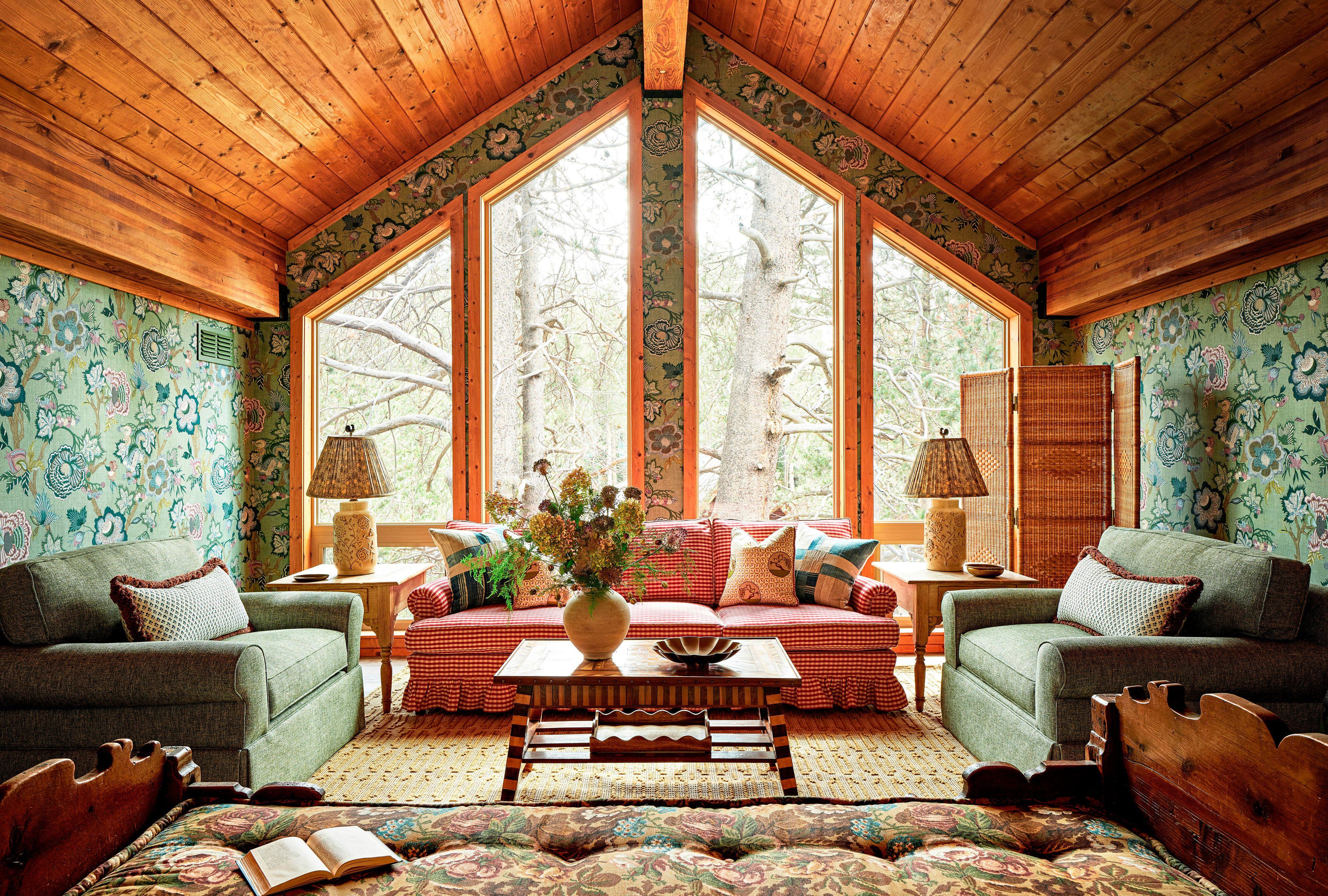
As we explore below, we admire how this home found a more creative way to refresh its rooms. It didn't require a lick of demolition, and the architecture stayed as is.
7 Tricks That Really Work
With the right mix of color, pattern, and thoughtful styling, you can refresh your rooms in ways that feel dramatic, yet doable. Reinvention can be cosmetic. Here are seven applicable ways to make it happen for you.
Josh Grubbs
1. Start with a Statement Pattern
When a room feels tired, a bold pattern can instantly shift its energy. A large-scale statement, like a standout wallpaper or area rug, is a great start.
A strong pattern that uses your room's colors can unify mismatched furniture or finishes by acting as a visual color compass. Once you've picked a pattern, pull two or three colors from it and find ways to incorporate them into your room, be that with art, accessories, pillows, or upholstery.
Josh Grubbs
2. Update Wood Finishes
If you've got a room with multiple wood finishes, it can feel cobbled together or dated. But rather than replacing those wood finishes, consider painting just one high-impact or misfit wood finish, like a built-in stair rail or an interior door.
In contrast, a neutral green or blue-painted wall can reduce the dominance of various brown tones and shift the room's visual balance without much expense or mess.
Josh Grubbs
3. Choose Paint to Unify
If a space has several existing finishes, select paint that harmonizes with them rather than fighting them. The right color acts as a bridge between materials, bringing everything together with a layered look.
One way to do this is to study the undertones. Is the wood more red, honey, or gray? A strategic coat of paint that works with those fixed elements can balance the tones.
Related
Josh Grubbs
4. Layer Texture
If you have open rooms—whether it's a soaring ceiling or an open floor plan—adding texture can cut the noise level while personalizing the space. Texture quiets the rooms by adding visual weight and warmth, making expansive areas feel more intimate.
Beyond rugs and upholstery, which help reduce sound, one option is to add a fabric wallpaper or grasscloth on the walls. Bring in baskets and hang drapes. Add layers of fabric with throws and pillows.
Josh Grubbs
5. Mix Patterns Like a Pro
Make mixing patterns easy by choosing multiple fabrics or wallpapers from the same collection or brand. Even if the prints differ, they'll often share an underlying aesthetic.
You can repeat one color throughout the room to tie together stripes, florals, and plaids. This lets you be fearless with pattern while keeping the overall look balanced.
Josh Grubbs
6. Show Off Your Personality
Start with one standout moment. It might be a bold wallpaper, a vintage find, or something large-scale like art or a wall-mounted quilt. Design your room around it, and try not to get too hung up on matching things. If you want your room to feel like you, fill it with stories, not perfection. A destination room adds surprise and can make the whole house feel more thoughtfully designed.
Josh Grubbs
7. Let Distraction Be Your Friend
Take your time and remember that it doesn't have to be done at once. Distraction, as a decorative tool, is like a magician's sleight of hand: It allows you to focus on what you like and keeps you from obsessing over what you don't.
Thoughtful groupings and layering, such as a gallery wall, can direct attention to what's working well. When a room feels rich and layered, the older elements fade into the background.

 English
 French
 Spanish
 Portuguese
 Deutsch
 Turkish
 Dutch
Dutch
 Italiano
 Russian
 Romaian
 Portuguese (Brazil)
 Greek
Greek