


Fang Zheng/Getty Images
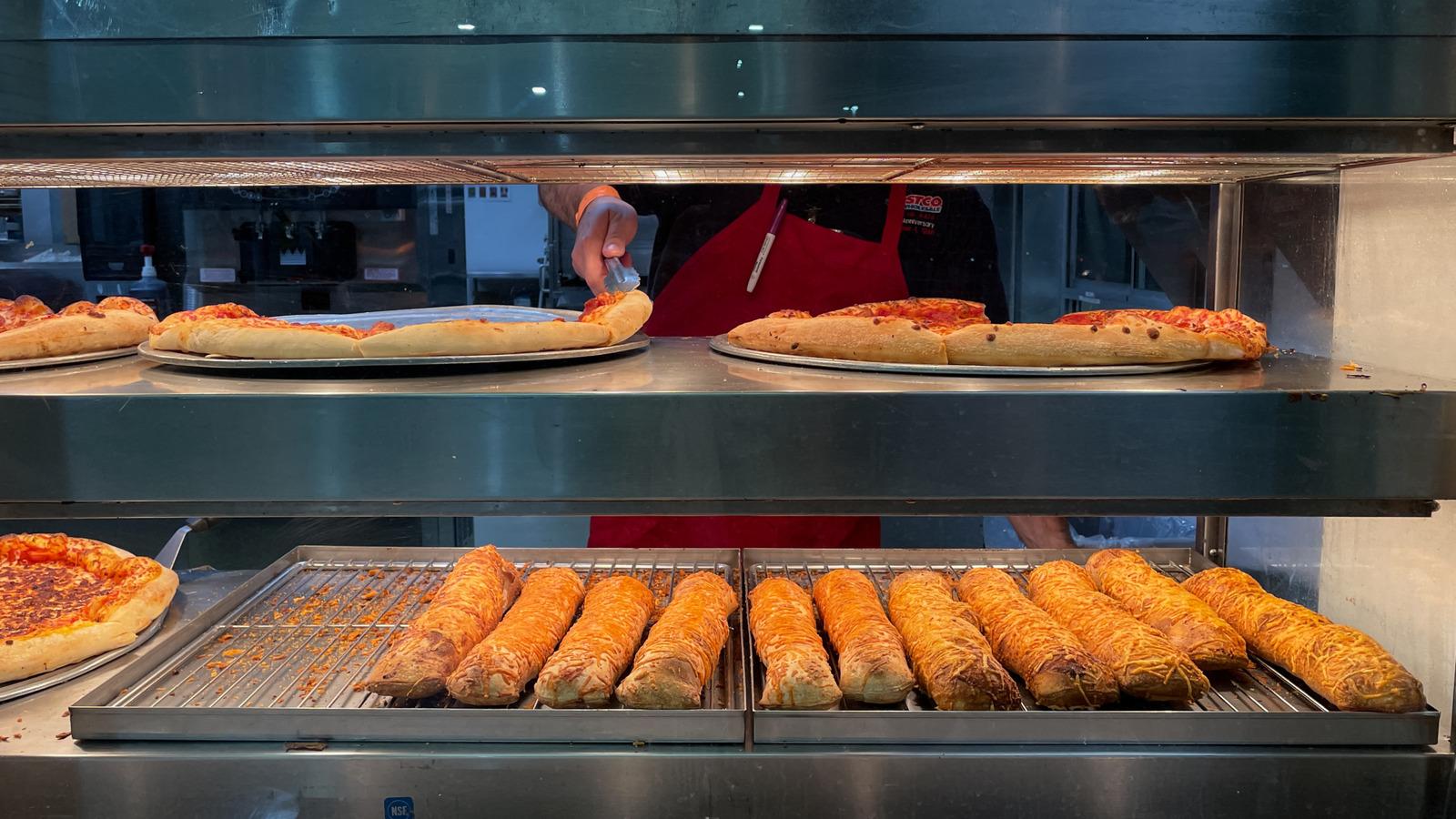
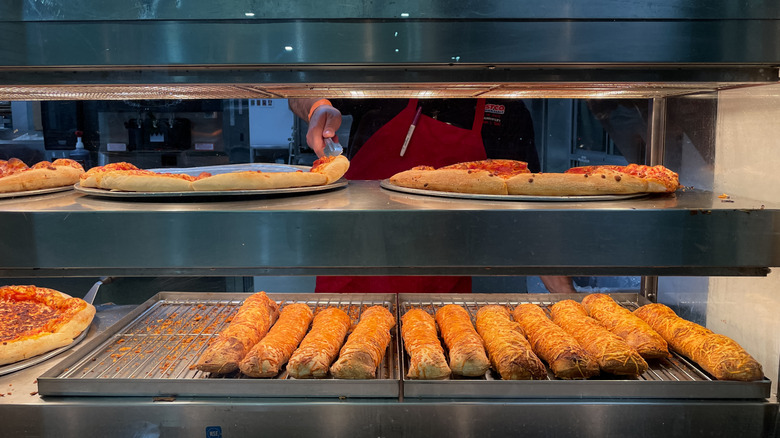
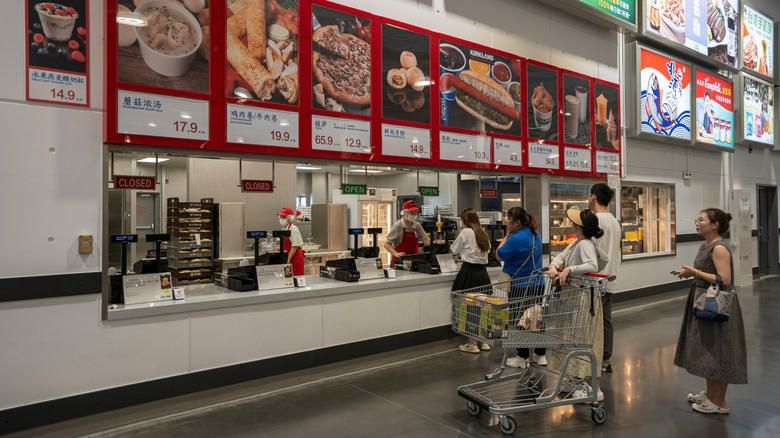
It's fun to visit international chains in different countries to see how their menu items differ. Starbucks in Japan has carried banana-inspired drinks, and vegetarians will be thrilled with the McAloo Tikki burger at McDonald's in India. If you find yourself in China, you might want to consider stopping at Costco's food court. Because the menu there caters to regional preferences, you'll find pizza toppings you may not have tried before. In fact, there's a good chance you wouldn't expect to see these options at many mainstream shops in the United States.
When visiting a Costco in this part of the world, you can buy pizza topped with seafood such as mini shrimp and crayfish. If something about this option rings a bell, it may sound a bit like some of the delicious-looking pizzas found in Japan. One such example is the okonomiyaki-style slice, which also incorporates seafood and is modeled after a Japanese savory pancake-style dish. The possible toppings include octopus, shaved dried fish, green peppers, corn, and mayo.
Why seafood and other pizza variations make sense in China
Tada Images/Shutterstock
Costco locations in Chinaoffer a few food court pizza options that Americans will be most familiar with: combo (onions, peppers, olives, pepperoni, sausage, and cheese) as well as the Hawaiian. But the fishier offerings clearly reflect local tastes. As of 2022, China's population was responsible for nearly 45% of the world's seafood consumption (via University of Washington), so it makes sense that you're much more likely to find a pizza topped with shrimp or crawfish.
The Shanghai Costco food court menu has experimented with other pizza toppings as well, including Beijing duck and truffle mushrooms. But even the way classic ingredients are applied could seem unusual to an American consumer. A shopper in Shanghai who noted in an Instagram post that the crayfish pizza seemed to have less cheese than Costco pizzas in the United States. This could be intentional — much of the population in China is lactose-intolerant, and cheese is eaten significantly less here than in the typical Western diet.

 Arabic
 French
 Spanish
 Portuguese
 Deutsch
 Turkish
 Dutch
Dutch
 Italiano
 Russian
 Romaian
 Portuguese (Brazil)
 Greek
Greek